The Best Content Angles for Boutique Hotels
May 31, 2026
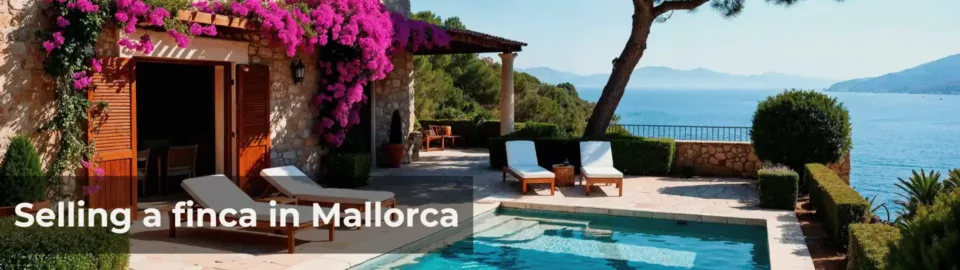
So, you’ve got a beautiful boutique hotel. That’s fantastic! Now, how do you tell its story in a way that actually connects with people, especially in the crowded online world? Forget generic “luxury” and “unique experiences.” We’re talking about digging into what truly makes your place special and translating that into content that gets noticed and booked.
The best content angles for boutique hotels focus on authenticity, niche appeal, and tangible experiences. Instead of broad pronouncements, drill down into specific stories, sensory details, and the unique value you offer that bigger chains just can’t replicate. It’s about creating a narrative that resonates with your ideal guest, making them feel like they’re already part of something special before they even step through your door.
Unearthing the Unique Story of Your Location
Every boutique hotel is tied to its surroundings, and this is a goldmine for content. Don’t just say you’re “in a great location”; show why.
Beyond the Tourist Trail
This is where you shine. While a chain hotel might point you to the main square, you can highlight hidden gems.
Local Legends and Folklore
Is there a local tale associated with your street or neighborhood? A ghost story, a historical anecdote, a quirky tradition? These add character and intrigue. Think about how to present these – a short video with a local historian, a blog post with atmospheric photos, or even a small printed booklet in guest rooms. This isn’t just information; it’s a connection to the past and the soul of the place.
Undiscovered Artisans and Businesses
Are there fantastic independent coffee shops, unique boutiques, or talented craftspeople nearby? Feature them. This positions your hotel as a gateway to authentic local culture, not just a place to sleep. Collaborate with them for cross-promotional content (e.g., a “Meet the Baker” video, a “Style Guide by [Local Boutique]” feature). This benefits them and makes your hotel a more valuable resource for guests.
Unexpected Natural Beauty
If you’re near a less-famous but stunning natural spot – a quiet cove, a hidden waterfall, a particularly scenic walking trail – make it part of your narrative. Outdoor enthusiasts will appreciate being pointed towards genuine, less-crowded discoveries.
The Neighborhood’s “Why”
Why this neighborhood? What’s its history, its vibe, its specific appeal?
A Day in the Life of a Local
Create content that showcases a perfect day for someone who lives in your area. This could involve starting with a local breakfast spot, exploring specific streets or markets, and ending with a drink at a neighborhood bar. It’s aspirational and practical, showing potential guests a lifestyle they can tap into.
Historical Footprints
If your neighborhood has a rich history, highlight it. Are there charming old buildings, significant historical events, or architectural styles unique to the area? This appeals to a more culturally curious traveler. Think about creating walking tour guides (digital or print) that start from your hotel.
Showcasing the Sensory Experience of Your Hotel
Boutique hotels often pride themselves on their distinct atmosphere and attention to detail. Your content needs to capture this.
The Palette of Your Property
Hotels are more than just rooms; they’re an experience for the senses.
The Scent Story
What does your hotel smell like? Is it the crisp linen, the faint aroma of locally roasted coffee from breakfast, or a signature essential oil blend used in the common areas? Scent is incredibly powerful and evocative. You can’t directly replicate it online, but you can hint at it through imagery and descriptive language, perhaps even linking to the diffusers or candles you use if they are available for purchase.
Tactile Delights
Describe the feel of things: the cool Egyptian cotton sheets, the weighty ceramic of a handmade mug, the smooth polish of an antique wooden desk, the plushness of a velvet armchair. These details are what make a stay memorable and luxurious, even if it’s in a subtle way. Close-up photography focusing on textures can be very effective here.
The Soundscape of Serenity
Is your hotel a sanctuary of quiet? Do you hear the distant chime of a church bell, the gentle rustle of leaves from a courtyard garden, or the murmur of conversation in a cozy lounge? Contrasting this with the hustle of the city outside can be a compelling angle.
Beyond the Postcard View
Your rooms and common areas have stories.
The Art of the Amenity
Think about your toiletries. Are they locally sourced, organic, or from a special brand? This is a small detail that speaks volumes about your commitment to quality and craft. Highlight them, explain why you chose them, and where guests can find more.
Design Details That Matter
What inspired the decor? Is there a particular piece of furniture with a history, a local artist whose work adorns your walls, or an architectural feature that’s unique? Dive into these stories. This elevates your design from “nice” to “meaningful.” Consider short video tours focusing on specific design elements.
Highlighting Personalized Service and Human Connections
This is where boutique hotels truly differentiate themselves. It’s the genuine care and attention that makes a guest feel seen.
The “Little Things” That Make a Big Difference
It’s the small gestures that guests remember.
The Concierge’s Secret List
Your front desk team likely has a treasure trove of local knowledge. Gather their recommendations for:
- Hidden restaurants locals love
- The best quiet spots for an evening drink
- Unique local experiences they might not find in guidebooks
- Emergency contacts for things like dentists or dry cleaners
Turn these into shareable content pieces – a “Local Recommendations” blog series, a downloadable PDF, or even short “Meet Your Concierge” video profiles where they share their favorite insider tips.
The Welcome Ritual
How do you welcome guests? Is it with a freshly baked treat, a personalized welcome note, a complimentary local drink? Showcase this ritual, emphasizing the warmth and thought behind it. This humanizes your brand immediately.
Remembering the Details
A truly boutique experience means remembering guests’ preferences. While you can’t showcase individual guest experiences without permission, you can talk about how you go the extra mile. For example, “We love helping guests celebrate special occasions – a quiet anniversary dinner, a birthday surprise. Let us help you make yours unforgettable.”
Building a Community
Encourage interaction and make guests feel part of something.
Local Events and Partnerships
Are you hosting local musicians, artists, or workshops? Or partnering with nearby businesses for special offers for your guests? Highlight these events. It adds value to their stay and supports the local community.
Guest Spotlights (with permission!)
If guests share fantastic photos or stories of their stay, with their explicit consent, feature them. This is powerful social proof and shows real people enjoying your hotel. It feels earned, not manufactured.
Curating Niche Experiences for Specific Travelers
Boutique hotels often attract a specific type of traveler. Lean into that.
The Adventurous Spirit
For hotels near adventure hubs or with an adventurous vibe.
Trailblazer’s Guide
If you’re near hiking, biking, or water sports, create content for the active traveler.
- Best local trails (difficulty, distance, what to see)
- Gear rental recommendations
- Post-adventure recovery spots (e.g., a good pub for a hearty meal)
- Safety tips specific to the area
Local Flavors for the Explorer
Focus on culinary adventures.
- The best dishes to try in your city
- Food tours that explore local markets and hidden eateries
- Breweries, wineries, or distilleries worth visiting
- Cooking classes featuring regional cuisine
The Creative Soul
For hotels with an artistic flair or in culturally rich areas.
The Artist’s Itinerary
Focus on galleries, studios, live music venues, theaters, and performance spaces.
- “Meet the Local Artist” interviews
- Guides to local craft markets and art fairs
- Recommendations for independent bookstores and record shops
Design Lover’s Dream
Highlight architectural tours, unique design shops, and historically significant buildings.
- “Behind the Design” posts about your hotel’s own aesthetics
- Features on designers or artisans whose work is showcased in your hotel or locally
Deeper Dives into Your Hotel’s Philosophy and Values
What drives your boutique hotel? This is where you can connect on a deeper level.
Commitment to Sustainability and Local Sourcing
If this is important to you, shout it from the rooftops – but authentically.
From Farm to Table (or Rooftop)
Detail your relationships with local farmers, producers, and suppliers.
- Showcase the ingredients you use and where they come from.
- Highlight dishes on your menu that are seasonal and locally sourced.
- If you have a hotel garden or participate in local food initiatives, feature them.
- This appeals to ethically conscious travelers and adds a story to your food and beverage offerings.
Eco-Conscious Practices
Are you reducing waste, using renewable energy, or supporting local conservation efforts? Be transparent about your efforts, framing them not as a burden, but as a core part of your identity. Even small actions, like providing refillable water bottles or partnering with sustainable tour operators, are worth mentioning.
Supporting the Local Economy and Community
Beyond sourcing.
Ethical Partnerships
Do you work with local charities or support community projects? How? This shows you’re invested in more than just business. It taps into a desire among modern travelers to support businesses that give back.
Preserving Local Heritage
Many boutique hotels are housed in historical buildings or are actively involved in preserving local culture. Share this story. What are the challenges? What are the rewards? This adds a layer of respect and appreciation for your establishment and its surroundings.
By focusing on these specific, tangible angles, you can create content that not only attracts attention but also builds loyalty and drives bookings. It’s about showing, not just telling, what makes your boutique hotel a truly special place to stay.