Luxury Travel Trends for the Next Generation of Premium Guests
May 31, 2026

So, you’re wondering what’s next for luxury travel, especially for the folks who are really shaping what “premium” means these days? Basically, the next generation of luxury travelers aren’t just looking for fancy hotels and over-the-top service (though that’s still nice!). They want experiences that are real, impactful, and often, a little bit different. Think less about being waited on hand and foot and more about being challenged, educated, and connected.
This isn’t about going back to basics, though. It’s about taking the best of what luxury has always offered – comfort, exclusivity, and a certain level of curation – and infusing it with a new set of values. Personal growth, sustainability, and authentic connections are suddenly very much on the luxury radar. Let’s dive into what that looks like.
Forget just ticking off sights. Today’s premium traveler wants to do things. They want to be part of the story, not just an observer.
Immersive Cultural Deep Dives
This goes beyond a guided tour. We’re talking about genuinely engaging with local cultures.
Learning a New Skill
Imagine spending a week in Tuscany learning to make pasta from a local nonna, or in Japan studying traditional pottery. These aren’t just activities; they’re skills that stay with you. It’s about hands-on involvement and creating something tangible to take home, both physically and mentally. The focus is on authenticity, and learning directly from artisans or experts who have honed their craft over generations. This can range from mastering a regional dance to understanding the nuances of winemaking firsthand.
Behind-the-Scenes Access
Gaining entry into places or events normally off-limits is a big draw. This could mean private gallery viewings, backstage passes to a cultural performance, or even participating in a research expedition. It’s about exclusivity that’s earned through access, not just price. This is about privilege through unique opportunity, not just wealth. Think about a private tour of a normally inaccessible historical site with an archeologist, or attending a masterclass with a renowned chef.
Culinary Adventures That Tell a Story
Food has always been a big part of travel, but now it’s about more than just fine dining. It’s about the journey from farm to fork, and the stories embedded in each dish.
Foraging and Farm-to-Table Experiences
Visiting local farms, participating in harvest activities, or going on guided foraging expeditions to gather ingredients for a meal is increasingly popular. These experiences connect travelers directly to the source of their food and highlight sustainable practices. It’s a way to understand the terroir and the dedication involved in producing high-quality ingredients. This allows guests to appreciate the flavor and provenance of their meals in a truly profound way.
Authentic Local Eateries and Market Tours
While Michelin-starred restaurants still have their place, there’s a growing desire to discover hidden gems – local eateries unknown to most tourists, and bustling food markets where you can sample regional delicacies. This often involves a local guide who can explain the history and cultural significance of the food. It’s about genuine flavors and vibrant atmospheres.
Wellness as an Integral Part of the Journey
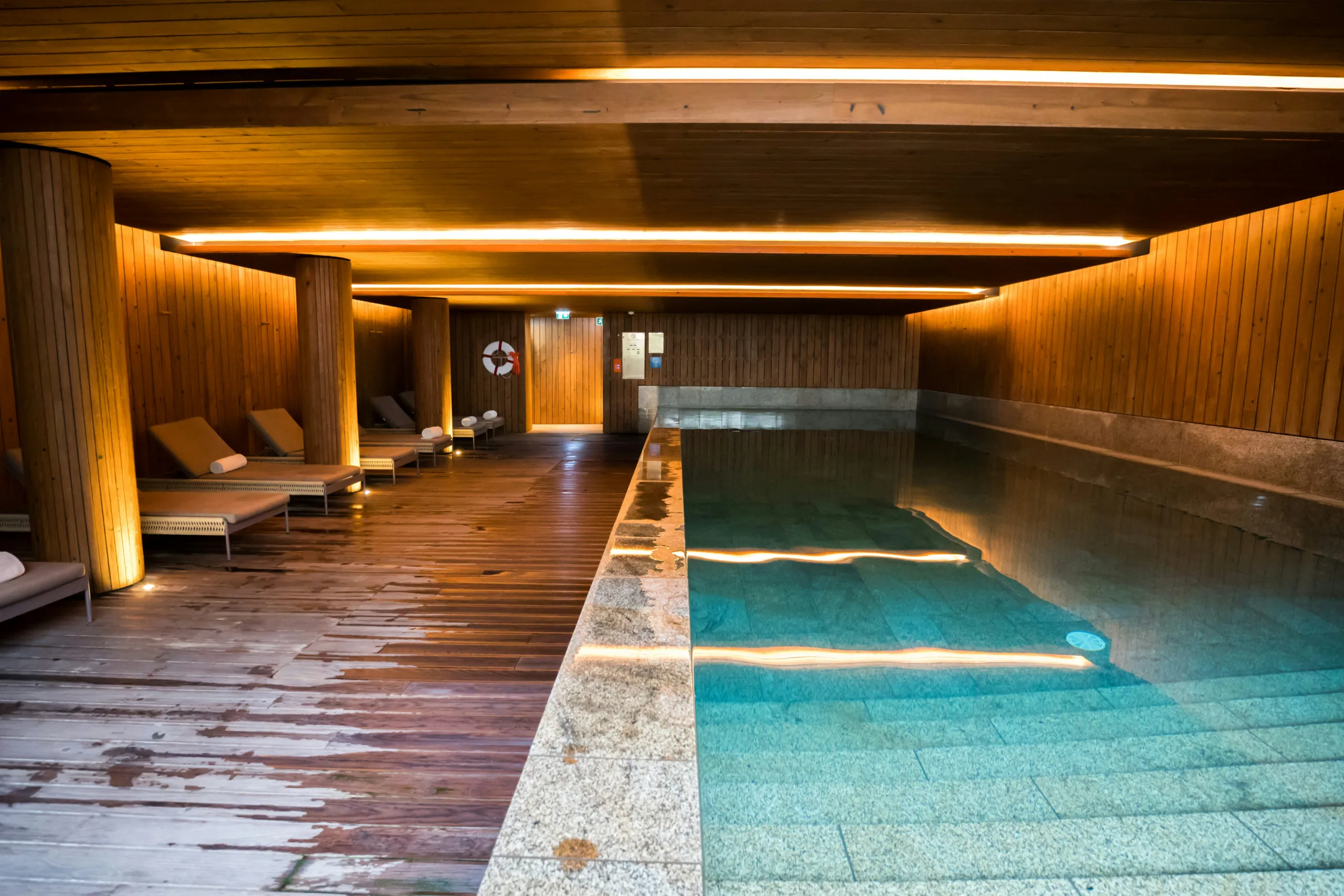
Wellness travel is no longer a niche market; for the next generation of luxury guests, it’s a fundamental expectation woven into their trip. It’s about holistic well-being, not just a spa treatment.
Holistic Health and Rejuvenation
This encompasses physical, mental, and emotional well-being, all delivered with a touch of luxury.
Personalized Wellness Retreats
These are tailored to individual needs, whether it’s stress reduction, fitness enhancement, or mental clarity. Think personalized yoga sessions, one-on-one mindfulness coaching, and customized nutrition plans, all in serene, beautiful settings. The emphasis is on creating a sustainable health routine that can be carried back home. This isn’t just about a week of pampering; it’s about establishing long-term habits.
Medical and Preventative Tourism
Increasingly, travelers are seeking out high-quality medical treatments, preventative health screenings, or specialized therapies in luxurious environments abroad. This combines the desire for top-tier healthcare with the opportunity to recover and rejuvenate in a relaxing destination. The destination choice is often informed by the reputation of the medical facilities and the surrounding environment.
Mindful Travel and Digital Detox
There’s a growing awareness of the impact of constant connectivity. Luxury accommodations are starting to offer more options for digital detox, encouraging guests to disconnect and be present. This might include designated quiet zones, technology-free areas, or guided meditation sessions. The idea is to foster a deeper connection with oneself and the surroundings.
The Demand for Authenticity and Local Connection
The days of generic, cookie-cutter luxury are fading. Today’s premium traveler wants to feel like they’re experiencing a place, not just visiting it.
Genuine Interactions with Locals
This is about moving beyond transactional service to build meaningful connections.
Homestays and Boutique Guesthouses
While grand hotels remain, there’s a growing appreciation for smaller, independently owned properties where hosts are deeply integrated into the local community. This allows for more personal interactions and insights into the local way of life. These places often offer a more intimate and authentic atmosphere, far removed from the impersonal feel of large resorts.
Meaningful Volunteer or Community Projects
Many premium travelers are looking for ways to give back and contribute positively to the places they visit. This could involve participating in conservation efforts, assisting with local education initiatives, or supporting community development projects, all facilitated with luxury accommodations and seamless logistics. This offers a sense of purpose and a deeper connection to the destination.
Cultural Immersion Through Local Guides
Opting for local guides who are passionate about their region, rather than generic tour operators, provides a richer understanding of the destination. These guides can offer personal anecdotes, insider knowledge, and access to off-the-beaten-path experiences that showcase the true character of a place. Their insights can transform a good trip into an unforgettable one.
Sustainable and Ethical Travel Choices
Conscious consumerism is extending to travel. Travelers want to ensure their journeys have a positive impact and minimize their environmental footprint.
Eco-Luxury Accommodations
This means properties that are champions of sustainability, from their energy sources and waste management to their sourcing of local, organic food and commitment to community conservation. These are places where luxury doesn’t come at the expense of the planet. This often involves innovative design that blends seamlessly with the natural environment.
Carbon-Neutral Travel and Offset Programs
While challenging, the aspiration for carbon neutrality is growing. Travelers are more aware of their carbon footprint and are seeking out airlines and tour operators that offer carbon offset programs or invest in sustainable aviation fuels. Luxury brands are responding by offering more transparent sustainability reports and encouraging greener travel options.
Supporting Local Economies and Artisans
Choosing to buy locally made souvenirs, dine at independent restaurants, and use local transportation all contribute to supporting the economies of the destinations visited. Premium travelers are increasingly prioritizing businesses that demonstrate a commitment to fair trade and ethical practices. This ensures that their travel spending has a positive ripple effect.

The Evolution of Luxury Accommodations
The concept of a “luxury hotel” is being redefined. Expect more personalized spaces, enhanced privacy, and integrated technology.
Bespoke and Private Experiences
The desire for privacy and exclusivity is paramount.
Private Villas and Residences
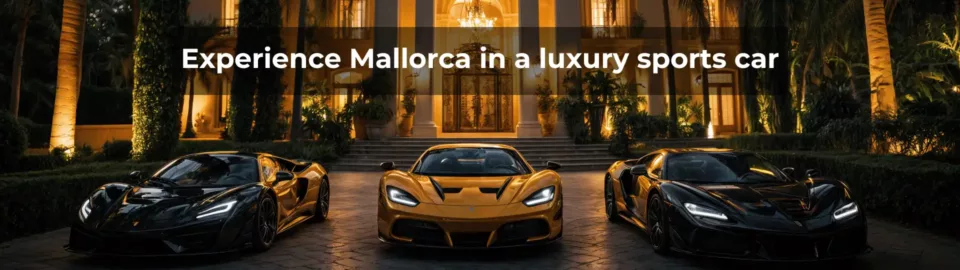
This is the ultimate in secluded luxury. Having your own villa or estate, complete with dedicated staff, offers unparalleled privacy and the freedom to customize your experience. These properties often come with private chefs, personalized itineraries, and exclusive access to local amenities. It’s about having a home away from home, but with all the trimmings.
Exclusive-Use Properties
Think boutique hotels or historical estates that can be booked for private use by a single group. This provides an incredibly intimate and exclusive experience, perfect for special occasions or cohesive family and friend getaways. The entire property becomes your own, with personalized service tailored to your group’s exact needs.
Seamless Technology Integration
Luxury now also means effortless interaction with the environment and services.
Smart Room Features
Think intuitive control of lighting, temperature, and entertainment, often through voice commands or a dedicated app. This technology is designed to be unobtrusive, enhancing comfort and convenience without being overwhelming. personalized preferences can be stored and recalled for future stays.
Augmented Reality and Virtual Experiences
While not mainstream yet, some forward-thinking properties are experimenting with AR to enhance the guest experience, perhaps overlaying historical information onto landmarks or providing immersive tours of the property. VR can offer pre-arrival “tastes” of the destination or a unique form of in-room entertainment.
Multi-Generational Travel Accommodations
With families increasingly traveling together, accommodations are adapting to cater to a wider range of ages and interests.
Connected Suites and Multiple Living Areas
Properties are offering more interconnected room options or separate living spaces within larger suites, allowing for both togetherness and individual privacy. This is crucial for ensuring everyone in the family feels comfortable and has their own space. Shared common areas can facilitate family bonding.
Activities and Amenities for All Ages
From kids’ clubs and adventure programs to quiet lounges and adult-focused activities, premium hotels are creating diverse offerings to keep everyone entertained and engaged. This takes the pressure off parents to constantly entertain and ensures a more enjoyable experience for each generation. This often includes specialized dining options too.
The Future of Adventure Travel
Adventure is no longer just about adrenaline. It’s about pushing boundaries and gaining new perspectives, all within a comfortable and well-supported framework.
Meaningful Exploration and Discovery
This is about engaging with the natural world in a profound way.
Expedition Cruises and Wilderness Lodges
These offer access to remote and pristine environments, often with expert guides and conservationists. Think polar expeditions, wildlife safaris in untouched regions, or stays in luxurious lodges within national parks. The emphasis is on responsible tourism and learning about the ecosystems.
Unique and Challenging Activities
This could involve anything from heli-hiking in remote mountain ranges, to ice climbing, or multi-day treks with high-end glamping setups at the end of each day. The focus is on experiencing the beauty and power of nature, with the assurance of safety and comfort.
Educational and Science-Focused Travel
Travel is becoming a classroom for the curious mind.
Citizen Science Expeditions
Participating in real scientific research, such as tracking wildlife, collecting environmental data, or studying marine life, is a unique way to connect with a destination and contribute to knowledge. These trips are often led by scientists and offer authentic research experiences.
Astrotourism and Stargazing Experiences
With growing interest in space and astronomy, destinations offering exceptional stargazing opportunities, often with expert astronomers and luxurious accommodations, are gaining traction. This connects travelers with the cosmos in a memorable way.
This is just a glimpse, of course. The luxury travel landscape is always shifting, but the core of it for this next generation of premium guests is a desire for experiences that are rich, meaningful, and leave a lasting positive impact, both on themselves and the world around them. They want to feel inspired, educated, and connected.