Exploring Digital Luxury: Marbella and Monaco’s Geographic Allure
May 31, 2026

So, why are Marbella and Monaco such hotbeds for digital luxury? It all boils down to their unique geographic allure. These aren’t just pretty places; they’re strategically positioned with natural beauty, exclusivity baked into their DNA, and a history of attracting affluent individuals. This potent combination creates an environment where digital luxury doesn’t just survive, it thrives, powered by a discerning clientele seeking convenience, bespoke experiences, and a seamless blend of their physical and online worlds.
Marbella and Monaco aren’t recent discoveries for the wealthy. Their appeal has been cultivated over decades, even centuries, attracting generations of discerning individuals. This long-standing reputation forms a crucial foundation for their success in the digital luxury space.
sun-drenched lifestyles
The Mediterranean climate, with its abundance of sunshine and mild temperatures, is a major draw. For residents of Marbella and Monaco, life often extends outdoors. This outdoor-centric lifestyle naturally lends itself to digital solutions that enhance convenience and experience. Think about ordering high-end groceries delivered to your yacht, or scheduling a private jet from your beachfront villa – these are not just conveniences, but necessities for a certain lifestyle. The constant good weather also supports a year-round tourist season, further increasing the demand for digital services that cater to transient, high-net-worth visitors.
natural beauty and exclusivity
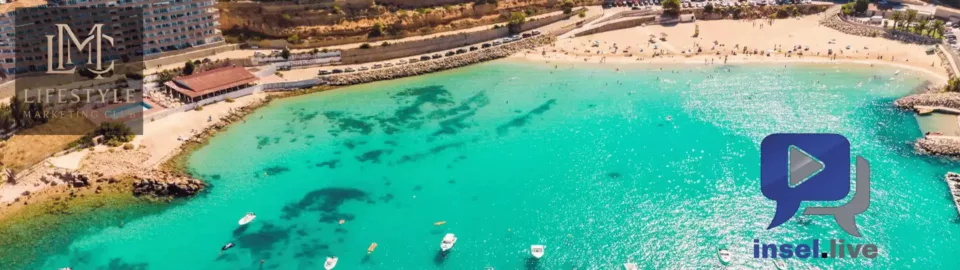
Both locations boast stunning natural beauty. Marbella is nestled between the Mediterranean Sea and the Sierra Blanca mountains, offering breathtaking views and diverse landscapes. Monaco, a tiny principality, is known for its dramatic cliffside setting overlooking the azure waters. This inherent beauty contributes to an atmosphere of exclusivity. The limited space, particularly in Monaco, naturally restricts development, driving up property values and maintaining a high barrier to entry. This exclusivity is a key ingredient for digital luxury, as the affluent clientele is willing to pay a premium for unique, private, and high-quality digital experiences that match their physical environment. The sense of being part of an elite community further fuels the demand for bespoke digital services.
The Digital Transformation of Traditional Luxury
While the physical allure is undeniable, it’s the seamless integration of digital solutions that truly sets Marbella and Monaco apart in the modern luxury landscape. The wealthy here aren’t just adopting technology; they’re demanding bespoke digital experiences that mirror the exclusivity of their physical lives.
concierge services go digital
Gone are the days of solely relying on a phone call to a human concierge. While personal interaction remains valuable, digital concierge platforms are increasingly popular. These platforms offer instant access to a vast array of services, from booking private chefs and yacht charters to arranging exclusive event access and last-minute travel modifications. Think of it as a highly sophisticated, hyper-personalized app that anticipates your needs. For instance, a resident in Monaco might use a secure app to request a vintage car rental for a scenic drive, coordinating delivery to their precise location with a few taps. In Marbella, a digital concierge could manage a full itinerary for visiting guests, including restaurant reservations, golf tee times, and spa appointments, all seamlessly integrated into one platform.
real estate with a digital edge
The luxury real estate market in both locations is highly competitive and discerning. Digital tools are transforming how properties are marketed, viewed, and even managed. High-definition virtual tours, 3D renderings, and augmented reality experiences allow potential buyers to explore properties from anywhere in the world, often before even stepping foot on the premises. Beyond marketing, digital platforms are streamlining the entire transaction process, from secure digital document signing to virtual notarization. Post-purchase, smart home technology is a given in new luxury builds. Residents can control everything from lighting and climate to security systems and entertainment, often remotely through a single app. Imagine adjusting your villa’s temperature from your private jet before you even land in Malaga.
haute couture in the digital age
Fashion and luxury goods are an integral part of the Marbella and Monaco lifestyle. While flagship boutiques remain crucial for the tactile experience, digital channels are evolving to offer a similarly exclusive and personalized shopping journey. This goes beyond simple e-commerce. Think of personalized styling services accessible through video calls, customized digital catalogues tailored to individual preferences, and even blockchain-verified authenticity for high-value items. Brands are leveraging data to understand individual client tastes, offering early access to new collections and bespoke recommendations. A client in Monaco might receive a notification for an exclusive pre-order window for a new designer handbag, complete with a personalized digital presentation and direct access to a dedicated sales associate for any queries.
Ultra-High-Net-Worth Individuals: The Driving Force
The concentration of ultra-high-net-worth individuals (UHNWIs) in Marbella and Monaco is the primary catalyst for the growth of digital luxury. Their specific needs, demands, and lifestyles shape the evolution of these services.
time is the ultimate luxury
For UHNWIs, time is arguably their most precious commodity. Digital luxury solutions are designed to optimize this. The ability to manage multiple aspects of their lives – personal, professional, and social – through streamlined digital platforms saves invaluable time. This includes everything from scheduling complex travel itineraries with a few clicks to automating household management and even accessing personalized financial advice remotely. They are not just seeking convenience; they are seeking efficiency that frees up cognitive load and allows them to focus on what matters most to them.
bespoke experiences and personalization
Generic digital services simply won’t cut it for this demographic. UHNWIs expect highly personalized and bespoke experiences that cater to their unique preferences and tastes. Digital luxury providers in Marbella and Monaco understand this and go to great lengths to offer tailor-made solutions. This could involve AI-driven recommendations for luxury travel based on past trips, bespoke digital art commissions, or even personalized wellness programs delivered through an app, complete with remote coaching and tailored meal plans. The data collected from these interactions allows for even deeper personalization, creating a virtuous cycle of increasingly refined and relevant offerings.
privacy and security paramount
Given the high profile and often sensitive nature of UHNWI affairs, privacy and security are non-negotiable. Digital luxury services in these regions must employ state-of-the-art encryption, robust cybersecurity measures, and strict data protection protocols. This includes secure communication channels, anonymous transaction options where appropriate, and transparent data usage policies. Any breach of trust can be catastrophic for a digital luxury provider, so investment in these areas is significant. The digital infrastructure supporting these services is as much about safeguarding information as it is about delivering convenience.

Infrastructure and Investment: The Digital Backbone
The sophisticated digital luxury ecosystem in Marbella and Monaco wouldn’t be possible without significant investment in robust infrastructure and a forward-thinking approach to technology.
blazing fast connectivity
Reliable, high-speed internet is the bedrock of any digital service. Both Marbella and Monaco boast excellent fiber optic networks and 5G coverage, ensuring seamless connectivity for residents and visitors alike. This is crucial for everything from streaming high-definition content to conducting complex financial transactions and operating smart home systems without lag or interruption. The expectation is instantaneous access, and the infrastructure is built to deliver it. This consistent high-speed access also supports the growth of bandwidth-intensive applications like virtual reality experiences for real estate or immersive gaming.
tech talent and innovation hubs
While not Silicon Valley, both regions attract and cultivate tech talent who understand the nuances of the luxury market. There’s a growing ecosystem of startups and established tech companies focused on developing innovative solutions specifically for the affluent. Monaco, with its proactive government support for technology and innovation, is particularly keen on fostering a smart city environment. This includes initiatives around blockchain, AI, and sustainable tech. Marbella, while perhaps less centrally directed, benefits from its proximity to talent pools and its attractiveness as a lifestyle destination for skilled professionals. This confluence of talent and investment drives continuous innovation in digital luxury offerings.
government support and regulation
The governments in both locations play a role in fostering this environment. Monaco, in particular, has a reputation for being tech-friendly, with supportive regulations for digital businesses and a clear vision for its digital future. This includes initiatives to promote a digital identity for residents and a framework for secure online transactions. Marbella, as part of Spain, benefits from the broader European Union’s digital single market initiatives and data protection regulations, providing a stable and secure legal framework for digital operations. This supportive regulatory environment instills confidence in both providers and consumers of digital luxury services.
The Future Trajectory of Digital Luxury
Marbella and Monaco are not resting on their laurels. The digital luxury landscape is constantly evolving, and these areas are at the forefront of adopting and shaping future trends.
web3 and the metaverse
The concepts of Web3, blockchain, and the metaverse are increasingly entering the luxury conversation. While still in early stages, there’s a growing interest in how these technologies can offer new forms of exclusive experiences, digital ownership, and even virtual real estate. Imagine owning a digital twin of your physical yacht, or attending exclusive fashion shows in the metaverse where you can instantly purchase limited-edition NFTs representing physical garments. Monaco has already explored metaverse initiatives, and Marbella’s tech-savvy residents are likely to be early adopters of these evolving trends. The use of NFTs for authenticating luxury goods or providing exclusive access to events is also gaining traction.
ai-driven personalization at scale
Artificial intelligence is already enhancing personalization, but its capabilities are set to expand dramatically. Future digital luxury services will employ even more sophisticated AI to anticipate needs, offer hyper-tailored recommendations, and provide proactive support. This could range from AI personal assistants that manage complex logistics autonomously to predictive analytics that suggest bespoke travel experiences based on subtle behavioral patterns. The goal is to move beyond mere convenience to truly anticipate and fulfill desires before they are even articulated. Machine learning will enable systems to learn and adapt to individual preferences with unprecedented accuracy.
sustainability and ethical consumption
As awareness of environmental and social issues grows, even within the luxury sector, digital platforms will play a crucial role in promoting sustainability and ethical consumption. This could involve blockchain-verified supply chains for luxury goods, digital platforms that connect consumers with eco-conscious brands, or AI-powered tools that help track the environmental footprint of luxury purchases. Marrying the allure of luxury with a commitment to responsible practices will be a key differentiator, and digital tools will provide the transparency and accountability needed to achieve this. Customers will be able to easily access information about the origin, production, and environmental impact of their high-end purchases.