Food Festivals and Culinary Events as Editorial Anchors
May 31, 2026
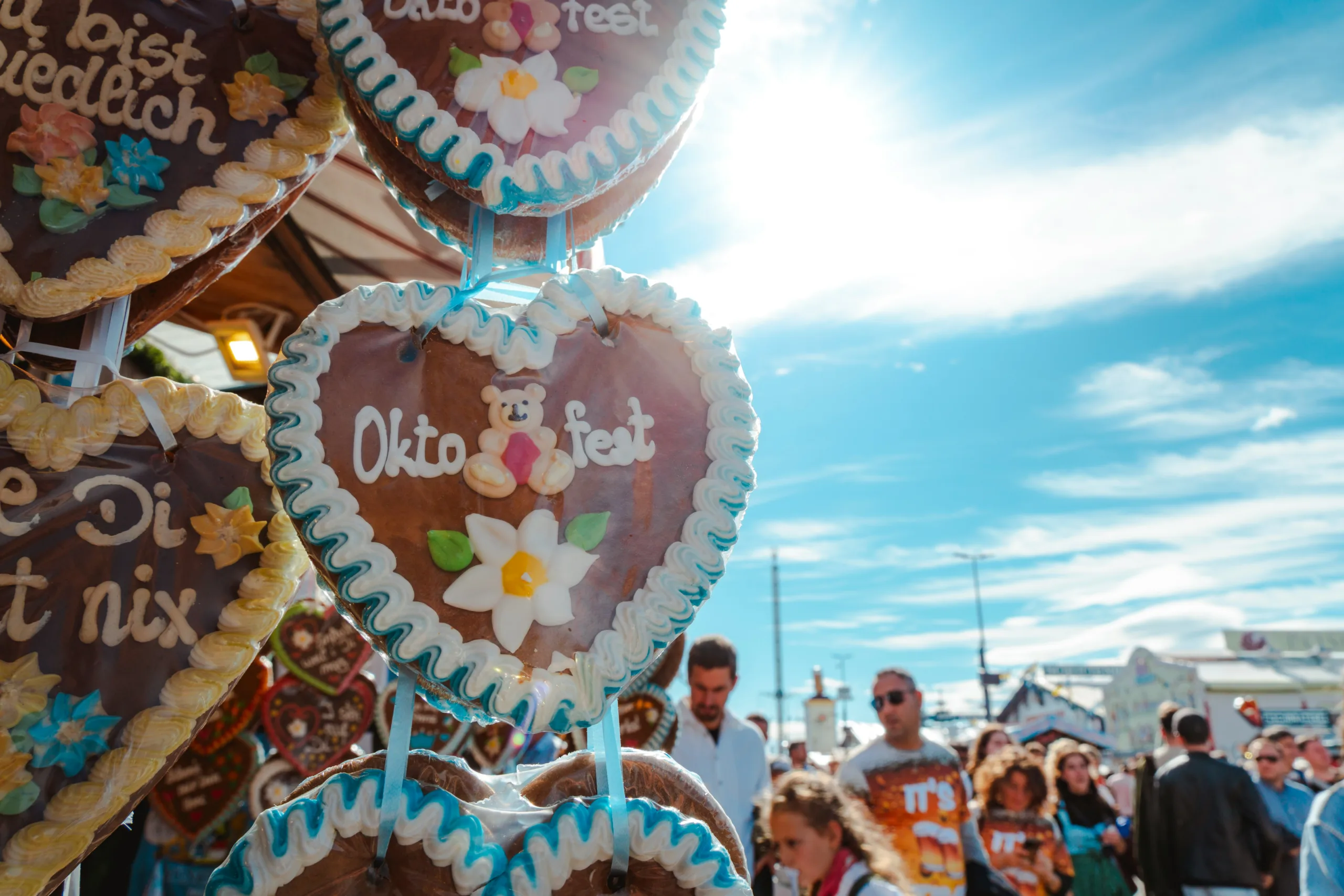
Food festivals and culinary events can absolutely be powerful editorial anchors. In simple terms, they offer a treasure trove of content ideas that keep your audience engaged and coming back for more. Think of them as a wellspring of fresh stories, expert insights, and unique angles that make your publication stand out. They’re not just about eating; they’re about culture, community, innovation, and passion – all things that make for compelling editorial.
So, why are these events such a goldmine for content creators? It boils down to a few key reasons. They provide a built-in narrative, they’re inherently visual, and they foster a sense of community. This combination is a powerful one for editors looking to create engaging and shareable content.
A Constant Stream of Fresh Content
Unlike some evergreen topics that need constant refreshing, food festivals offer a cyclical and predictable source of new material. Each year brings new themes, chefs, and trends, ensuring you’re never short on things to talk about.
Pre-Event Hype and Anticipation
Long before the first bite, there’s ample opportunity to generate buzz. This includes announcements about the festival’s theme, featured chefs, special guests, unique vendors, and even ticket sales. Interviews with organizers can set the stage and build excitement.
Live Event Coverage: The Action is Here
During the festival itself, the opportunities for real-time content are endless. Live blogs, social media updates, and on-the-spot interviews can capture the energy and immediacy of the event.
Post-Event Recap and Analysis
Once the last food truck has packed up, the story isn’t over. Post-event content can include photo essays, “best of” lists, trend analyses, and testimonials from attendees and participants. This helps to solidify the festival’s impact and leave a lasting impression.
Unparalleled Visual Storytelling
Food is inherently visual, and a festival amplifies this tenfold. The vibrant displays, the cooking demonstrations, the happy faces – it all translates into stunning imagery and video that naturally draws people in.
Instagrammable Moments Galore
From meticulously plated dishes to bustling market scenes, festivals are a visual feast. These moments are perfect for photo galleries, short videos, and social media carousels that captivate audiences.
Video Content that Sizzles
Cooking demonstrations, chef interviews, and even time-lapses of crowds enjoying the festivities make for fantastic video content. This type of multimedia is highly shareable and effective in conveying the atmosphere.
Beyond the Plate: Capturing the Atmosphere
It’s not just about the food itself. The décor, the music, the laughter, the interactions between vendors and attendees – all these elements contribute to the overall vibe and provide rich visual material for storytelling.
Community and Engagement at its Core
Food festivals are social events. They bring people together, spark conversations, and create shared experiences. This inherent social aspect is a goldmine for fostering audience engagement.
Expert Insights and Industry Connections
Festivals attract top chefs, food critics, and industry leaders. This provides an excellent opportunity for interviews, panel discussions, and expert opinion pieces that add depth and credibility to your content.
Audience Participation and User-Generated Content
Encourage your audience to share their festival experiences. Run polls, ask for their favorite dishes, or host a photo contest. User-generated content is authentic, engaging, and builds a sense of community.
Showcasing Local Talent and Businesses
Many food festivals highlight local chefs, farmers, and artisans. This allows you to tell stories about entrepreneurship, sustainability, and community initiatives, connecting your audience with local endeavors.

Tailoring Content to Different Platforms
One of the beauties of food festivals as editorial anchors is their versatility. The same core event can be spun into various content formats, each optimized for a specific platform and audience. This multi-platform approach ensures maximum reach and engagement.
Long-Form Articles and In-Depth Features
This is where you can really dive deep. For print publications or extensive online articles, you can explore the history of a particular dish featured at the festival, interview multiple chefs about a culinary trend, or do a socio-economic analysis of the festival’s impact on the local community.
Historical Context and Culinary Journeys
Trace the origins of a featured cuisine, or tell the personal story of a chef who has dedicated their life to a specific culinary tradition. This adds layers of richness and intellectual appeal to your content.
Trend Spotting and Future Forecasts
Food festivals are often microcosms of the broader culinary landscape. Use them to identify emerging food trends, ingredients, or cooking techniques. Interview experts on what the next big thing in food might be.
Economic and Cultural Impact Studies
Go beyond the food itself. Research and report on the economic benefits a festival brings to a region, or how it preserves and celebrates cultural heritage through its culinary offerings.
Short-Form Content for Social Media
Social media thrives on quick, engaging, and highly visual content. festivals provide an abundance of material perfect for platforms like Instagram, TikTok, Facebook, and Twitter.
Quick Reviews and “Taste Tests”
Short video clips or carousel posts featuring quick reviews of different dishes, with an emphasis on visual appeal and concise descriptions. Audience interaction can be encouraged through polls or comment sections.
Behind-the-Scenes Glimpses
Show the preparation, the bustling kitchens, the vendors setting up. This humanizes the experience and makes the audience feel more connected to the event.
Engaging with Polls and Quizzes
Ask your audience what dish they’re most excited about, or what ingredient they’d like to see more of. Simple interactive elements boost engagement quickly.
Podcasts and Audio Content
Don’t forget the power of sound. Interviews with chefs, organizers, and food personalities can create captivating audio content, perfect for podcasts or even short audio snippets for social media.
Chef Interviews and “Cookbook Corner”
Longer-form interviews where chefs discuss their philosophy, inspirations, and even share a quick recipe. This can be a recurring segment.
Festival Soundscapes and Ambient Audio
Capture the sounds of the festival – the sizzling of pans, the murmuring of crowds, the live music. This can be used as B-roll for videos or standalone audio experiences that transport the listener.
Panel Discussions and Expert Debates
Record panel discussions on food trends, sustainability, or the future of dining. These can be edited into episodes that offer diverse perspectives.
Practical Considerations for Editorial Planning
While the ideas flow freely, executing them effectively requires some practical planning. Thinking ahead will save you a lot of headaches and help you maximize your editorial output.
Building Relationships with Organizers
Cultivating a good relationship with festival organizers is paramount. They can provide early access, exclusive interviews, and valuable insights that will enhance your content.
Media Accreditation and Access
Ensure you have the necessary passes and access to areas that will allow you to capture the best content. A good relationship makes this process much smoother.
Interview Scheduling and Logistical Support
Coordinating interviews with busy chefs or speakers requires careful planning. Organizers can often facilitate these connections and help with scheduling.
Understanding Themes and Key Focus Areas
Get a clear understanding of the festival’s unique selling points, its narrative, and any special initiatives. This helps you tailor your content to align with their messaging while still maintaining your editorial independence.
Content Calendar and Pre-Planning
A well-structured content calendar is your best friend. Plan out your content before, during, and after the festival to ensure a consistent flow of material.
Assigning Roles and Responsibilities
Clearly define who is responsible for photography, videography, interviews, writing, and social media updates. This prevents last-minute scrambling.
Identifying Key Story Angles in Advance
Brainstorm potential stories beforehand. Are there any unique vendors? A celebrity chef appearing? A cooking competition with a compelling backstory?
Preparing Interview Questions and Shot Lists
Go to the event prepared. Having a list of questions ready for interviews and a mental or physical shot list for photographers/videographers will ensure you capture all necessary material.
Post-Event Follow-Up and Measurement
The work doesn’t end when the festival closes. Post-event follow-up and analysis are crucial for understanding what worked, what didn’t, and how to improve for future events.
Thank You Notes and Feedback
A simple thank you to organizers and participants goes a long way in nurturing future relationships. Offer constructive feedback where appropriate.
Analyzing Engagement Metrics
Look at website traffic, social media engagement, and article reads related to your festival content. Which pieces performed best? Why?
Archiving Content for Future Use
Don’t let good content disappear. Organize and archive your images, videos, and articles. They might be repurposed for year-end reviews, “throwback” posts, or future event promotions.
By treating food festivals and culinary events as the editorial powerhouses they are, publications can consistently deliver fresh, engaging, and visually rich content that truly resonates with their audience. It’s about seeing beyond the delicious food to the deeper stories and connections that these vibrant gatherings offer.