Marbella, Mallorca and Monaco as Luxury Content Ecosystems
May 31, 2026
When we talk about places like Marbella, Mallorca, and Monaco, we’re not just discussing pretty spots with nice cars and big yachts. What’s really going on in these locations is the creation of a very specific kind of content – a luxury content ecosystem, if you will. This means they naturally attract, generate, and distribute stories, images, and experiences that revolve around high-end living, exclusive access, and aspirational lifestyles. Think of it as a self-sustaining cycle where the environment itself encourages and even demands the production of luxury-focused narratives, from social media posts and glossy magazine features to travel blogs and property reviews.
The Genesis of Luxury Ecosystems
These destinations didn’t become luxury content hubs by accident. They’re built on a foundation of unique attributes that make them appealing to the affluent and those who aspire to that lifestyle. It’s a combination of natural beauty, strategic development, and a dash of historical allure.
Natural Foundations and Strategic Development
Each of these locations boasts spectacular natural backdrops. Marbella has the Costa del Sol coastline and views of Morocco. Mallorca offers dramatic Serra de Tramuntana mountains meeting turquoise seas. Monaco, of course, has its iconic cliffside setting overlooking the Mediterranean. This inherent beauty forms the initial canvas for luxury.
What elevates them, however, is strategic development. Carefully planned marinas, world-class golf courses, Michelin-starred restaurants, and exclusive resorts don’t just appear overnight. These are deliberate investments designed to attract a specific clientele. The infrastructure itself becomes a piece of luxury content – a photo opportunity, a destination for a review, an experience to share.
Historical Allure and Cultural Cachet
Monaco’s royal family, its Grand Prix, and its casino history lend it an undeniable mystique. Marbella has its roots in aristocratic European jet-setting. Mallorca, while having a more diverse history, also boasts ancient towns and a vibrant arts scene that adds a layer of cultural sophistication. This historical and cultural cachet isn’t just for show; it provides narrative depth and a sense of timeless exclusivity, which are powerful ingredients for luxury content.
What Constitutes “Luxury Content”?
It’s easy to think of luxury content purely as glossy magazine spreads, but it’s much broader than that. It encompasses everything from a candid Instagram story of someone enjoying a high-end restaurant to a professionally produced documentary about superyachts.
Visual Storytelling at its Core
Luxury content is overwhelmingly visual. High-quality photography and videography are paramount. This isn’t just about showcasing expensive items; it’s about conveying a feeling, an atmosphere, and a desirable lifestyle. Think drone shots of sprawling villas, close-ups of meticulously prepared haute cuisine, or panoramic views from a private yacht. The visual appeal is often more important than lengthy descriptions.
Experiential Narratives
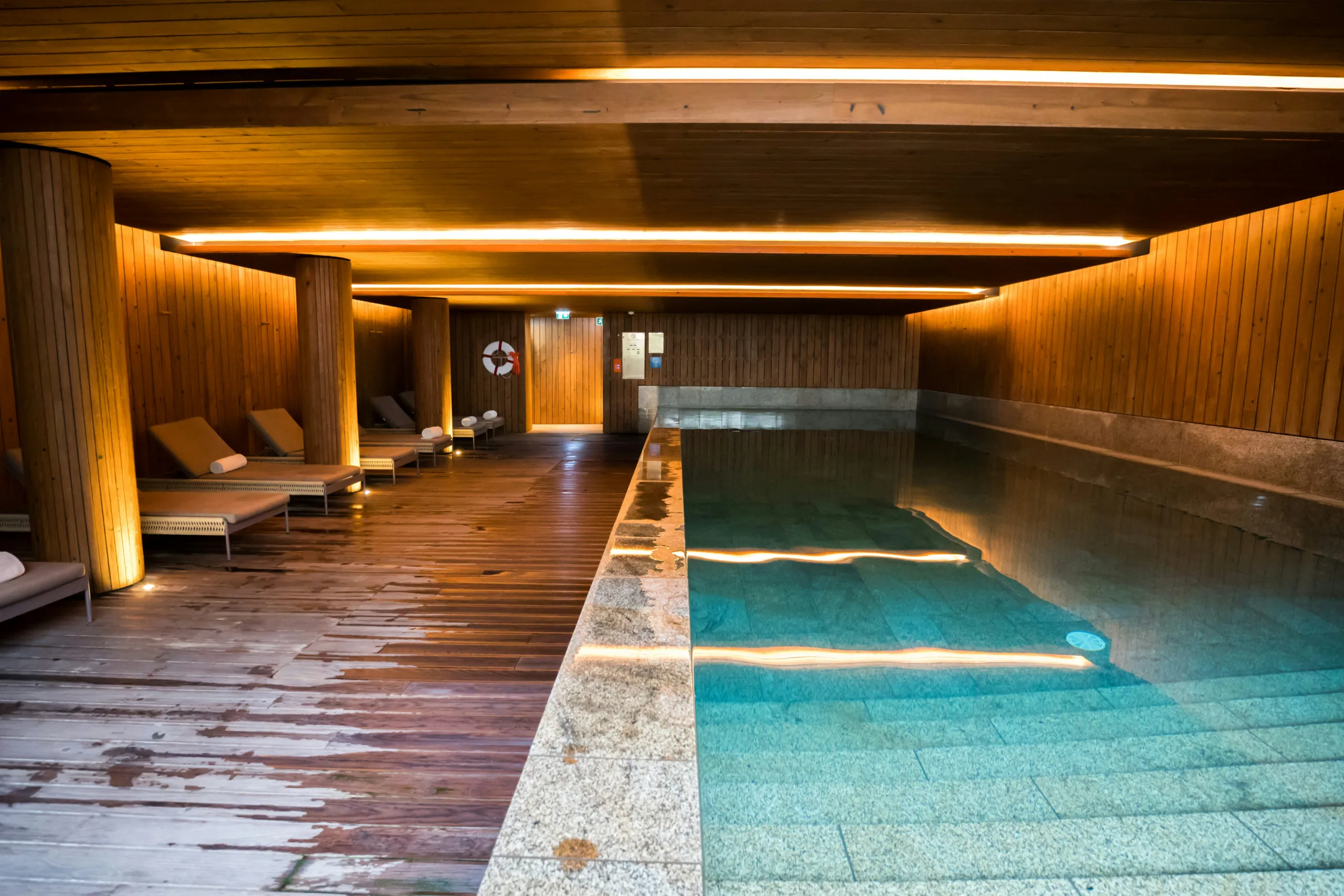
Beyond static visuals, luxury content thrives on experiential narratives. It’s about describing the experience of being in these places. What’s it like to wake up in a penthouse apartment overlooking the Mediterranean? How does it feel to dock your yacht in Puerto Banús? What are the sensations of a bespoke spa treatment in a Mallorcan finca? These narratives, whether told through personal blogs, testimonials, or curated travel guides, are essential for conveying the value proposition of luxury.
Exclusivity and Access
A key element of luxury content is often the subtle (or not-so-subtle) implication of exclusivity and access. This can manifest as features on private events, behind-the-scenes glimpses of VIP lounges, or interviews with influential residents. The content often hints at a world that is not accessible to everyone, which naturally enhances its aspirational appeal.
How These Ecosystems Generate Content
The beauty of these locations as content ecosystems is how organically they generate material. It’s a continuous feedback loop fueled by both residents and visitors, amplified by media professionals.
Resident and Visitor Contributions
Every person who visits or lives in Marbella, Mallorca, or Monaco has the potential to be a content creator. Tourists snapping photos of their meals, fashionistas documenting their outfits, or residents sharing their daily lives – all contribute to the collective narrative. This user-generated content, often shared on social media, adds authenticity and relatability, even within the luxury sphere. It shows “real people” (albeit often very wealthy ones) engaging with the luxury lifestyle.
Professional Content Creation
Alongside user-generated content, there’s a constant stream of professionally produced material. Think glossy magazines like Marbella Rocks or Mallorca Style, dedicated luxury travel blogs, property agents creating high-end virtual tours, and fashion brands shooting campaigns on location. These professionals are adept at capturing the essence of luxury in a polished and aspirational way, setting the standard for the ecosystem’s aesthetic.
Events and Occasions as Content Drivers
Marbella’s summer parties, Monaco’s Grand Prix, and Mallorca’s yacht shows are not just events; they are content generators. They provide a focal point for media coverage, social media buzz, and influencer marketing. These events offer a concentrated burst of luxury experiences, creating a wealth of material for various platforms. They are carefully curated spectacles designed to be photographed, filmed, and shared.
The Distribution Channels of Luxury Content
Once created, this luxury content needs avenues for distribution. This is where the digital landscape truly shines, allowing for wide reach to targeted audiences.
Traditional Media and Niche Publications
Despite the rise of digital, traditional luxury magazines (both print and online versions) remain significant. Publications like Robb Report, Architectural Digest, and high-end travel magazines frequently feature Marbella, Mallorca, and Monaco. These publications lend gravitas and credibility to the luxury narrative. Niche publications focusing on yachting, real estate, or high fashion also play a crucial role.
Social Media Platforms
Instagram, Pinterest, TikTok, and even LinkedIn (for business and professional networking) are primary distribution channels. High-resolution images and short, engaging videos perform exceptionally well. Influencers, travel bloggers, and even local businesses leverage these platforms to showcase the luxurious facets of these destinations. Hashtags become keywords, and geotags become endorsements.
Bespoke Marketing and Direct Channels
Real estate agencies, luxury concierge services, and high-end travel companies often employ bespoke marketing strategies. This includes exclusive email newsletters, targeted digital ads, and personalized brochures. These channels are designed to reach a very specific, high-net-worth individual who is already interested in luxury offerings. The content here is often more detailed, focusing on specific amenities, investment opportunities, or tailor-made experiences.
The Economic and Cultural Impact of Luxury Content Ecosystems
These ecosystems aren’t just about pretty pictures; they have tangible economic and cultural impacts on their respective regions. They drive investment, shape perceptions, and influence local industries.
Driving Investment and Tourism
The relentless flow of luxury content acts as a powerful marketing tool. It draws in high-net-worth individuals, not just for holidays but also for property investment, business opportunities, and permanent residency. This influx of wealth stimulates economic growth, creates jobs (both directly in luxury sectors and indirectly in supporting services), and generates tax revenue. The allure created by the content directly translates into economic activity.
Shaping Regional Branding and Global Perception
Marbella, Mallorca, and Monaco leverage this content to solidify their brand identity on a global stage. They become synonymous with certain types of luxury – whether it’s Marbella’s vibrant social scene, Mallorca’s serene island escape, or Monaco’s old-world glamour and financial sophistication. This branding is a continuous process, reinforced by every piece of content that emerges from these locations. It shapes how people around the world perceive these places.
Influence on Local Industries and Lifestyle
The presence of a luxury content ecosystem inevitably influences local industries. From hospitality and retail to real estate and personal services, businesses adapt to cater to a high-end clientele. This can lead to an uplift in quality and service standards across the board. Culturally, it can also lead to a blend of local traditions with international luxury trends, creating a unique lifestyle that is both rooted in its location and globally informed. This can be seen in everything from architectural styles to restaurant menus.