How to Position a Destination as a Premium Lifestyle Hub
May 31, 2026

So, you’re looking to turn your destination into that sought-after spot, the kind people dream about – a place where luxury isn’t just an option, it’s the everyday. Think of it as crafting an experience, not just promoting a location. It’s about weaving a narrative that appeals to a specific kind of traveler, one who values quality, exclusivity, and a seamless blend of the exceptional and the authentic. This isn’t about slapping a “luxury” sticker on things; it’s about building a foundation of genuine appeal that resonates with discerning tastes.
Understanding Your Core Audience: Who Are You Actually Talking To?
Before you even think about how to present your destination, you’ve got to get inside the heads of the people you want to attract. This isn’t about broad strokes; it’s about paint-by-numbers for a very specific masterpiece. Premium lifestyle travelers aren’t a monolith. They have distinct motivations, preferences, and expectations.
The Nuances of the “Premium Lifestyle Traveler”
Forget the idea of a single, uniformed luxury tourist. This group is diverse, but they share some common threads. They’re often well-traveled, meaning they’ve seen a lot and have a good baseline for what constitutes quality. They’re not just looking to tick boxes; they’re seeking enriching experiences that align with their values and aspirations.
Identifying Key Demographics and Psychographics
This is where you dig deep. Are you targeting established families looking for secure, high-quality getaways? Young, affluent entrepreneurs seeking networking opportunities and exclusive experiences? Or perhaps a more mature demographic interested in art, culture, and fine dining? Understanding their age ranges, income levels (though this is often a secondary indicator), but more importantly, their interests, aspirations, and lifestyle choices is crucial. What do they do in their free time? What are their passion projects? What kind of media do they consume? These insights will inform every marketing decision.
Mapping Their “Why”: What Drives Their Travel Choices?
People in this segment don’t usually travel out of boredom. They travel with purpose. Is it for relaxation and rejuvenation after a demanding career? To indulge in culinary adventures and discover hidden gastronomic gems? To immerse themselves in art, history, and culture? Or perhaps to engage in high-end adventure, like exclusive heli-skiing or bespoke yachting? Understanding their primary motivations will help you tailor your offerings and messaging to directly address those desires.
Anticipating Their Expectations: Beyond the Basics
A premium lifestyle traveler expects more than just a comfortable bed and a polite smile. They anticipate seamless service, personalized attention, and an environment that caters to their every refined need. This extends to everything from the quality of the linens to the availability of private chefs, from discreet security to the curated selection of local experiences. They expect discretion, efficiency, and an intuitive understanding of their preferences.
Crafting a Compelling Narrative: Telling Your Destination’s Story
This isn’t just about listing amenities; it’s about weaving a tapestry of experiences that speaks to the heart of your target audience. A strong narrative creates an emotional connection and makes your destination unforgettable.
Defining Your Unique Selling Proposition (USP)
What makes your destination truly stand out from the multitude of other desirable places? It’s likely not just one thing. It’s the combination of factors that creates a singular allure. Is it your unspoiled natural beauty coupled with world-class wineries? Your rich historical heritage complemented by an emerging contemporary art scene? Your vibrant culinary landscape shaped by generations of tradition and innovative chefs? Pinpointing this unique blend is the bedrock of your narrative.
Identifying Your “Signature” Experiences
Don’t just mention “good food.” Instead, highlight “Michelin-starred dining experiences crafted with locally sourced ingredients” or “private vineyard tours followed by intimate wine tastings with the vintner.” Think about activities that are truly memorable and exclusive. This could be private access to historical sites, bespoke artisanal workshops, or guided explorations of hidden natural wonders with expert naturalists.
The Power of Authenticity and Local Immersion
Premium doesn’t have to mean detached from the local culture. In fact, for many discerning travelers, authentic experiences are paramount. This means showcasing genuine local traditions, supporting local artisans and businesses, and offering opportunities for meaningful interaction with the community. It’s about showing them the “real” place, elevated.
Elevating Everyday Touches into Extraordinary Moments
It’s the little things that often make the biggest difference at this level. How can standard offerings be elevated? Think about transportation: instead of a standard car service, offer a private chauffeur in a luxury vehicle. For accommodation, consider personalized welcome amenities tailored to guest preferences. Even simple interactions with staff can be transformed into memorable moments through exceptional service and genuine warmth.
Curating Exceptional Experiences: It’s All About the Details
Once you have your narrative, you need to back it up with tangible, high-quality experiences. This is where the rubber meets the road, and where your destination’s premium positioning is truly solidified.
The Pillars of Premium Hospitality
This encompasses more than just accommodation. It’s the entire ecosystem of services and offerings that cater to the discerning visitor.
World-Class Accommodation Options
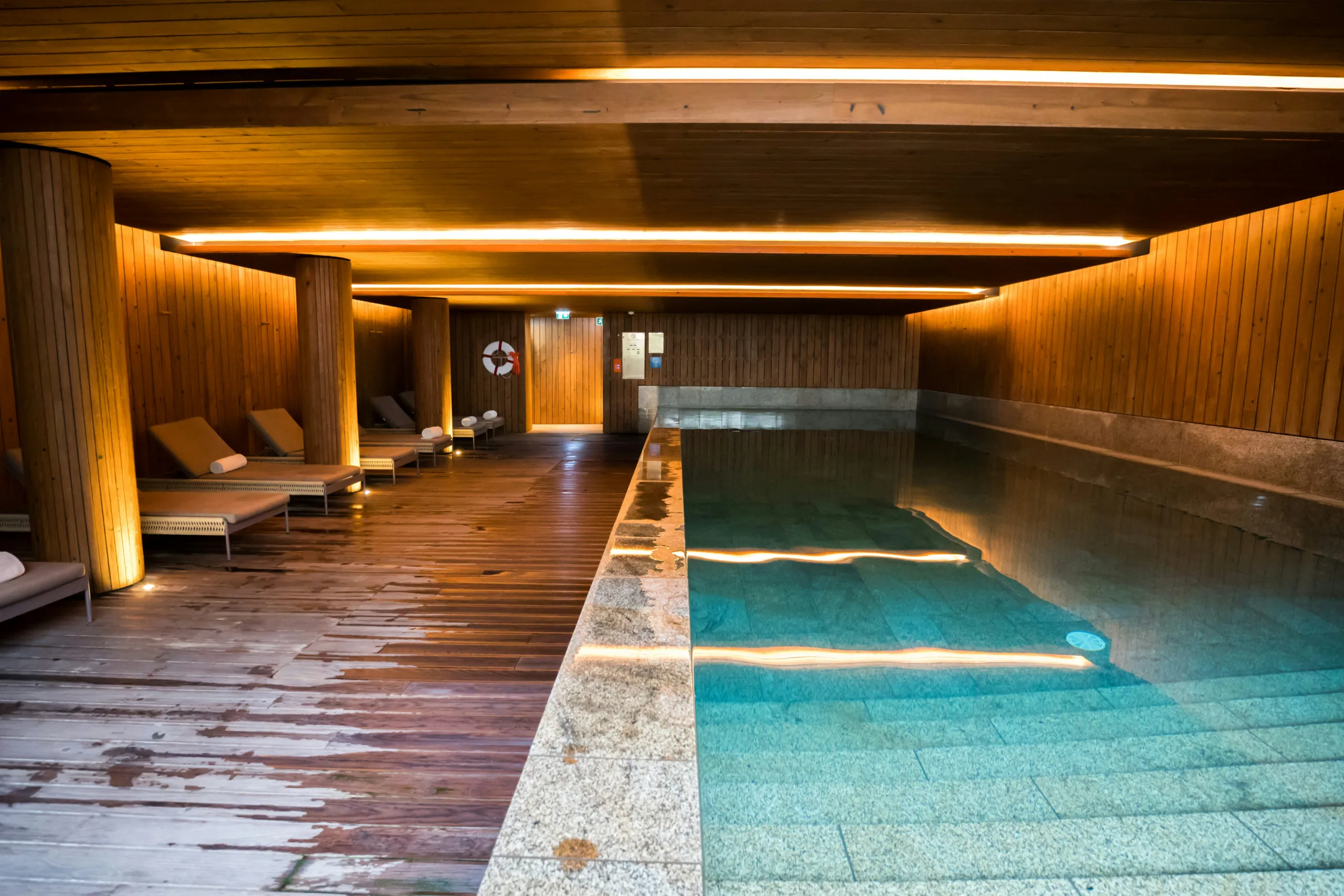
This is a no-brainer. Luxury resorts, boutique hotels with exceptional service, private villas with dedicated staff – these are the places where guests will spend a significant portion of their time. The key is not just the opulence, but the quality of service, the attention to detail, and the unique character. Think about the amenities offered, the design aesthetic, and the integration with the surrounding environment.
- Bespoke Suites and Villas: Offering private, secluded options with personalized services like private chefs, butlers, and dedicated concierge teams.
- Design-Driven Boutique Hotels: Focusing on unique architectural styles, high-end furnishings, and an intimate atmosphere that reflects local character.
- Eco-Luxury Retreats: Combining sustainability with high-end comfort, offering a guilt-free, premium experience in natural settings.
Culinary Excellence: A Gastronomic Journey
Food is often a central element of the premium travel experience. Your destination needs to offer a diverse and exceptional culinary landscape.
- Michelin-Starred and Acclaimed Restaurants: Partnering with or attracting fine-dining establishments that set the benchmark for quality and innovation.
- Farm-to-Table and Local Produce Focus: Highlighting restaurants that champion fresh, seasonal ingredients sourced from local farms and producers.
- Exclusive Dining Experiences: Offering private dining in unique locations, chef’s table experiences, or curated tasting menus.
- Artisanal Food and Beverage Producers: Showcasing and providing access to high-quality local wines, spirits, chocolates, cheeses, and other gourmet products.
Bespoke Activities and Excursions
Beyond the typical tourist attractions, offer experiences that are exclusive, curated, and delivered with the highest level of service.
- Private Tours and Guides: Offering personalized excursions with knowledgeable local experts, focusing on niche interests like art history, architecture, or wildlife.
- High-End Adventure and Wellness: This could include private yacht charters, heli-skiing, exclusive spa retreats, personalized yoga and meditation sessions, or guided nature expeditions.
- Cultural Immersion: Arranging private workshops with local artisans, exclusive access to cultural performances, or guided tours of heritage sites with historians.
- Shopping Experiences: Curating access to high-end boutiques, designer outlets, and artisanal craft stores, potentially with personal shopping services.
Strategic Marketing and Communication: Reaching the Right Audience
Once you’ve built it, you need to tell the right people about it, in the right way. This requires a sophisticated approach that goes beyond mass advertising.
Targeted Digital Presence and Content Creation
Your online presence is your initial handshake. It needs to be polished, informative, and aspirational.
High-Quality Visuals and Storytelling
Invest in stunning photography and videography that captures the essence of your destination. This isn’t just about pretty pictures; it’s about evoking emotions and creating desire. Use these visuals to tell compelling stories that resonate with your target audience.
Search Engine Optimization (SEO) for Niche Keywords
Ensure your destination appears when people are searching for specific luxury experiences. This means optimizing for terms like “luxury villa rentals [destination],” ” Michelin star restaurants [destination],” or “bespoke adventure travel [region].”
Social Media Strategy for Engagement and Influence
Focus on platforms where your target audience spends their time. This might include Instagram for visual appeal, LinkedIn for business travelers, or even niche forums and online communities. Engage with relevant influencers and leverage their reach.
Partnerships with High-End Travel Agencies and Online Platforms
Collaborate with luxury travel agents who have established relationships with affluent clients. Partner with reputable luxury travel websites and booking platforms that cater to your desired demographic.
Public Relations and Influencer Marketing
Leveraging trusted voices can be incredibly effective in reaching a discerning audience.
Inviting Key Media and Influencers
Host select journalists and influential travel bloggers/vloggers for curated experiences. Their authentic reviews and coverage can generate significant buzz and credibility.
Crafting Compelling Press Releases and Media Kits
Ensure that all communications with the media are professional, informative, and highlight the unique selling points of your destination.
Building Relationships with Luxury Travel Publications
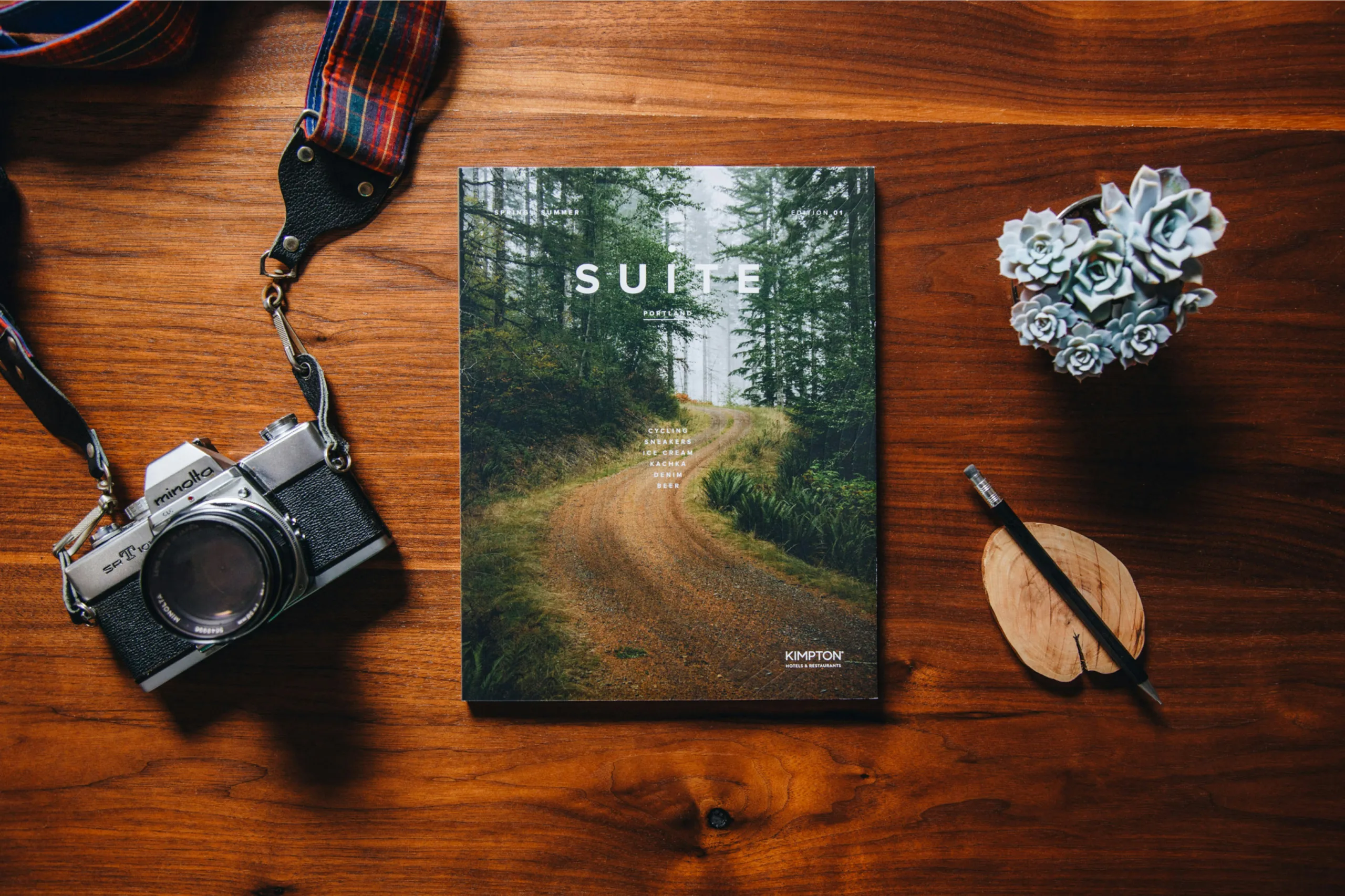
Actively seek opportunities to feature your destination in prestigious travel magazines, online publications, and lifestyle journals.
Building Exclusive Brand Partnerships: Amplifying Your Appeal
Aligning with other premium brands can significantly enhance your destination’s stature and reach.
Identifying Complementary Luxury Brands
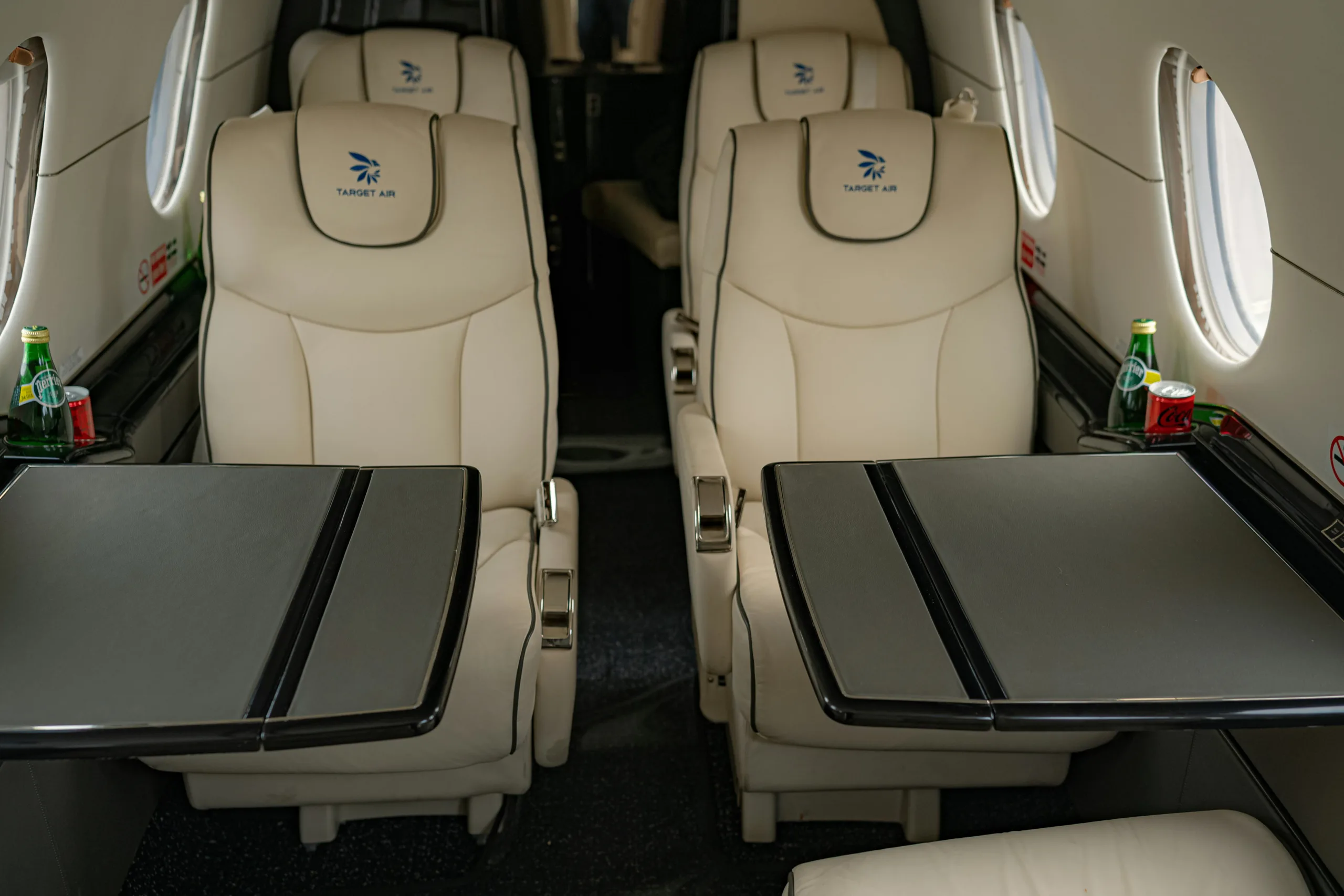
Think about brands that share your audience and your commitment to quality. This could be anything from high-end automobile manufacturers and luxury watch brands to premium airlines and designer fashion houses.
Co-Branded Events and Promotions
Develop joint marketing campaigns, special events, or exclusive packages that leverage the strengths of both brands. For example, a luxury car brand could sponsor exclusive test drives, or a high-end jewelry brand could host a private viewing.
Exclusive Offers for Partner Brand Customers
Provide special benefits or discounts for customers of your partner brands who choose to visit your destination, creating a sense of exclusivity and added value.
Maintaining and Evolving Your Premium Positioning: The Long Game
Becoming a premium lifestyle hub isn’t a one-time project; it’s an ongoing commitment to excellence. The luxury market is constantly evolving, and you need to stay ahead of the curve.
Continuous Improvement and Innovation
Regularly assess your offerings and seek feedback from your target audience. Stay abreast of emerging trends in luxury travel and be willing to innovate and adapt.
The Importance of Consistent Quality
Once you’ve established a reputation for quality, maintaining it is paramount. Any slip-ups can be detrimental to your premium image. This requires consistent training for staff, rigorous quality control measures, and a commitment to exceeding expectations.
Adapting to Changing Traveler Preferences
The definition of luxury is not static. What was considered exclusive yesterday might be commonplace today. Understanding what your audience values now and anticipating what they will value tomorrow is crucial for long-term success. This might involve embracing new technologies, focusing on sustainability even more deeply, or developing new types of experiential offerings.
Investing in Your Infrastructure and Human Capital
To maintain a premium experience, you need to continually invest in your physical infrastructure, ensuring it remains top-notch. Equally important is investing in your people through ongoing training and development, ensuring they are equipped to deliver exceptional service.
By focusing on these key areas – understanding your audience, crafting a compelling narrative, curating exceptional experiences, employing strategic marketing, building brand partnerships, and committing to continuous improvement – you can effectively position your destination as a truly desirable premium lifestyle hub. It’s a journey that requires dedication, a keen eye for detail, and a genuine passion for creating unforgettable experiences.