The Role of Privacy in Ultra-Luxury Travel
May 31, 2026

For the ultra-rich, privacy in travel isn’t a luxury; it’s a non-negotiable requirement. It’s not just about avoiding paparazzi or feeling exclusive; it’s a fundamental aspect of their lifestyle that extends to every facet of their journey. Unlike traditional luxury where lavish amenities might be the focus, ultra-luxury travel often prioritizes discrete experiences, secure environments, and the complete control over who knows what, when, and where. In essence, privacy is the bedrock upon which truly exclusive travel is built for this demographic.
It might seem obvious, but understanding the depth of this need goes beyond surface-level assumptions. It’s about protecting assets, reputation, and, ultimately, peace of mind.
Protecting Personal and Financial Assets
When you’re dealing with significant wealth, the stakes are always higher. Publicity, even positive, can be a magnet for unwanted attention.
Security from Theft and Kidnapping
High-net-worth individuals are, sadly, targets. Publicizing travel plans or even revealing one’s location through social media can create vulnerabilities. Private jets, secluded villas, and discreet security teams are all employed to minimize exposure and, therefore, risk. The less information out there about their movements, the safer they are from those who might seek to exploit their wealth.
Avoiding Unwanted Solicitation
Wealth attracts a lot of attention – from charities to investment opportunities to businesses looking to make a sale. Public information about travel can lead to a deluge of unwanted approaches, even during what should be a relaxing getaway. Privacy ensures they can enjoy their time without constant interruptions or unsolicited advances.
Maintaining Reputation and Public Image
For many, their public persona is meticulously managed. A misstep, or even an innocent interaction misinterpreted, can have far-reaching consequences.
Shielding from Media Scrutiny
While some ultra-rich actively seek media attention, many prefer to operate quietly. A private trip allows them to unwind without the constant fear of being photographed or having their actions scrutinized. This is particularly true for public figures or those whose businesses are highly sensitive.
Controlling Personal Narratives
Travel, especially leisure travel, is often about stepping away from professional obligations. For these individuals, controlling who sees them and in what context is crucial to maintaining their carefully constructed personal and professional narratives. They want to be seen on their terms, not caught unaware during a private moment.
Enhancing Relaxation and Well-being
Beyond the practicalities, there’s a deeply personal aspect to wanting privacy – the ability to truly disconnect.
Escaping Public Pressure and Demands
The daily lives of the ultra-rich are often filled with demanding schedules, constant decision-making, and public expectations. A truly private travel experience allows them to shed these pressures entirely, even if just for a short period. This isn’t about avoiding people but about avoiding the demands that come with public life.
Cultivating Genuine, Uninterrupted Experiences
When every interaction is potentially being observed or commented upon, it’s hard to have truly genuine moments. Privacy allows for unfiltered conversations with loved ones, spontaneous activities, and a deeper connection with their surroundings without the feeling of being “on show.” This enables a form of relaxation that is simply unattainable in more public settings.
How is Privacy Achieved in Ultra-Luxury Travel?
Achieving this level of privacy isn’t accidental; it’s meticulously planned and executed through a combination of exclusive services, strategic choices, and advanced security measures.
Exclusive Access and Private Spaces
The first line of defense against unwanted attention is often simply avoiding public places altogether.
Private Aviation to Avoid Airports
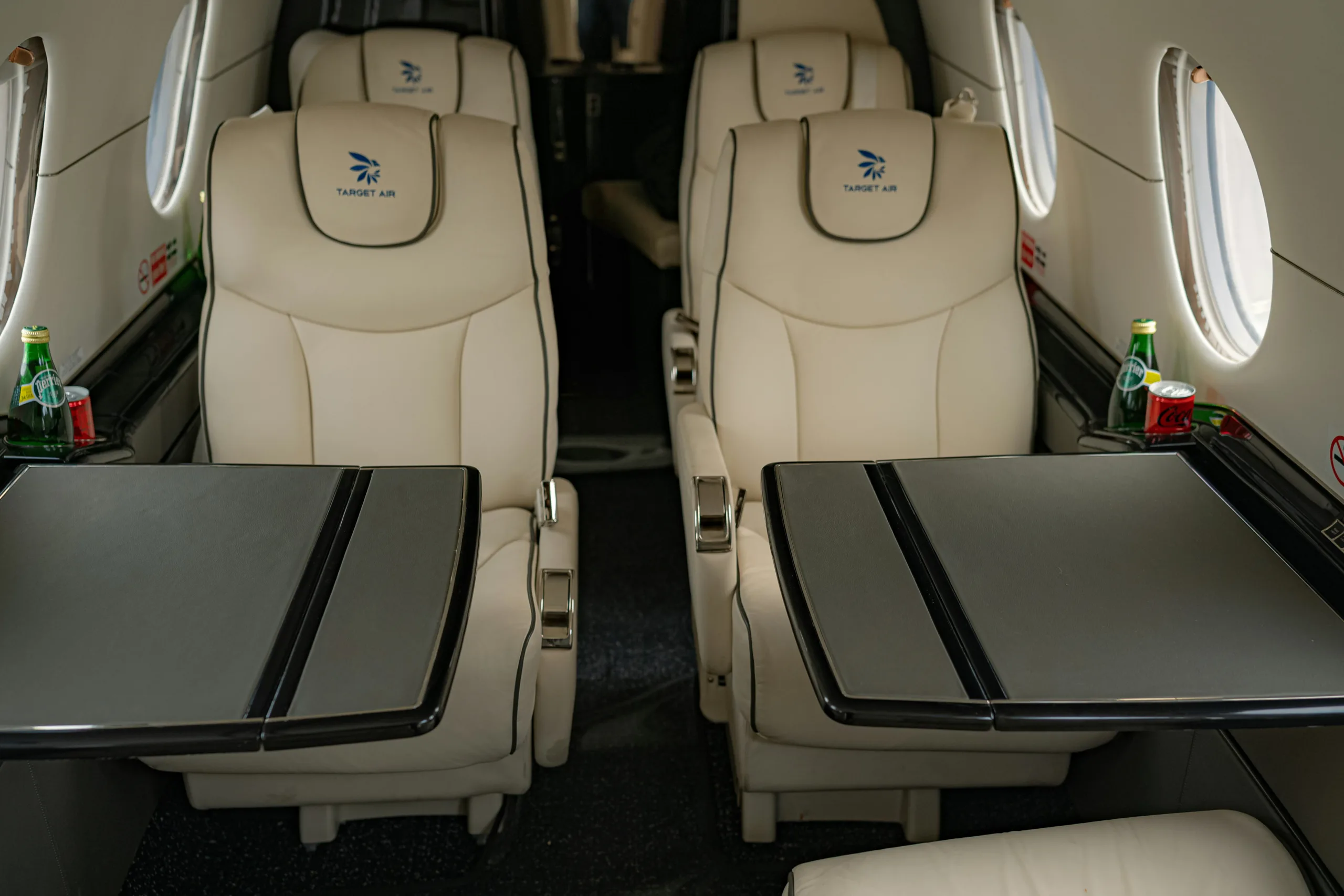
Commercial airports are a nightmare for privacy-conscious travelers. Long queues, crowded terminals, and inevitable interactions make them undesirable. Private jets, FBOs (Fixed-Base Operators), and helipads circumvent this entirely. Travelers can arrive and depart with minimal interaction, often driving directly onto the tarmac or into private lounges. This isn’t just about speed; it’s about avoiding the gaze of hundreds, if not thousands, of strangers.
Secluded Accommodations
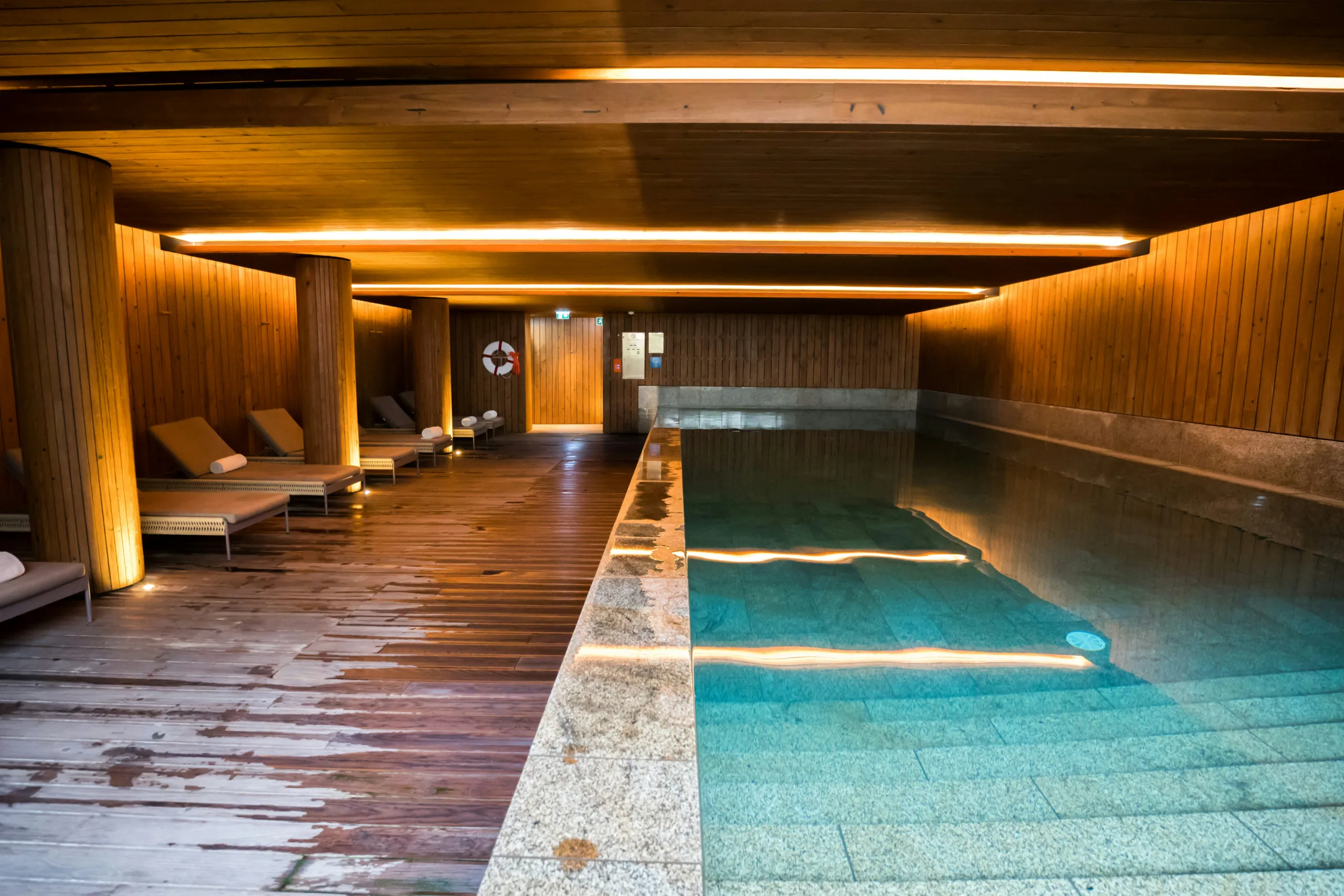
Imagine a resort where your villa is miles from the next, accessible only by private boat or helicopter, or a penthouse suite where entire floors are dedicated to your party. Ultra-luxury properties are designed with this in mind. This includes:
Private Islands and Buyouts
The ultimate in seclusion. Renting an entire private island or buying out a luxury resort or hotel floor ensures that the only people present are those invited. This level of control is unparalleled.
Hidden Gems and Off-Market Properties
Access to villas and estates that are never advertised publicly, known only to a select few travel advisors and concierge services. These properties are often vetted for their security, discreet locations, and capacity for truly private experiences.
Customized Yacht Charters
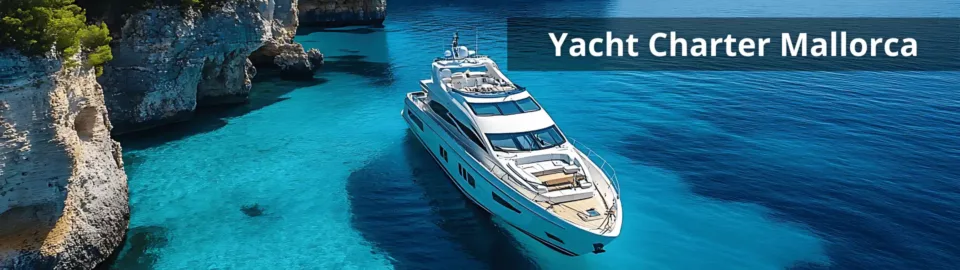
A superyacht provides a floating, secure, and entirely self-contained bubble. It allows travelers to explore remote coastlines, dock in private coves, and control their environment completely, away from land-based crowds. The crew is often under strict non-disclosure agreements, further enhancing privacy.
Discreet Service and Security
Beyond physical spaces, the people involved in facilitating the trip play a crucial role in maintaining privacy.
Highly Vetted Travel Advisors and Concierges
These aren’t just booking agents; they are trusted confidantes. They understand the client’s needs for discretion, anticipating potential privacy breaches and proactively addressing them. They are often personally known to their clients and operate under strict ethical guidelines when handling sensitive information.
Non-Disclosure Agreements (NDAs)
From personal assistants to flight crew, villa staff, and even private chefs, anyone involved in serving ultra-luxury clients is typically required to sign NDAs. This ensures that personal details, travel plans, and any observed private activities remain confidential.
Personal Security Details
For many, a discreet security team is an integral part of their travel entourage. These aren’t just bodyguards; they are highly trained professionals who blend seamlessly into the background, proactively assessing and mitigating threats. They manage access, conduct reconnaissance, and ensure all environments are secure and free from surveillance.
The Role of Technology in Privacy
Technology, while often perceived as a threat to privacy, is also a crucial tool in safeguarding it in ultra-luxury travel.
Secure Communication Channels
In an age of constant connectivity, ensuring that communications remain private is essential.
Encrypted Devices and Platforms
High-net-worth individuals often use encrypted phones, messaging apps, and secure email services for all travel-related communications. This mitigates the risk of sensitive information being intercepted or accessed by unauthorized parties.
Private Wi-Fi Networks and Satellite Phones
Reliable and secure internet access is critical, even in remote locations. Yachts and private jets are equipped with advanced satellite communication systems, providing secure, private networks that are not susceptible to public vulnerabilities. This allows for communication without reliance on potentially insecure public Wi-Fi.
Counter-Surveillance Measures
As technology advances, so do the methods of unwanted observation.
Bug Sweeps and Eavesdropping Detection
Before arrival at any accommodation, security teams often conduct thorough bug sweeps to detect any hidden cameras, microphones, or tracking devices. This proactive approach ensures a truly private environment.
GPS Tracking and Geofencing for Assets (Not People)
While individuals themselves seek to avoid being tracked, their assets (private jets, yachts, high-value luggage) are often equipped with advanced GPS tracking and geofencing. This is for security and logistical purposes, ensuring that valuable assets are where they should be and preventing unauthorized movement. This is a critical distinction from tracking individuals.


The Subtle Language of Discretion
Privacy in this realm isn’t just about services; it’s about an entire culture of discretion that permeates every interaction.
Understated Luxury vs. Overt Displays
For many ultra-wealthy, true luxury is subtle, not ostentatious. This translates to how they travel.
Avoiding Branded Everything
While some may enjoy designer labels, many who prioritize privacy opt for unbranded or subtly branded items. This avoids drawing attention or providing clues to their identity or significant wealth. The goal is to blend, not to stand out.
Preferring Boutique and Less Famous Destinations
Popular tourist hotspots, by their very nature, attract crowds and photographers. Discerning ultra-luxury travelers often prefer lesser-known, exclusive destinations or boutique properties that cater specifically to their need for seclusion. These places are designed to be tranquil and private, rather than bustling and public.
Staff Training in Confidentiality
Every person who comes into contact with ultra-luxury travelers is trained not just in service, but in silence.
“See Nothing, Say Nothing” Ethos
Staff are rigorously trained to observe and anticipate needs without being intrusive, and critically, to never discuss clients or their affairs. This ethos is fundamental to building trust and ensuring repeat business within this discerning clientele. They become almost invisible, yet highly effective.
Anticipatory Service Without Intrusion
The best staff anticipate needs before they are even voiced, providing seamless service without excessive interaction. This minimal, yet highly effective, approach further contributes to the feeling of privacy and autonomy for the traveler. They don’t have to ask, they just receive.
The Future of Privacy in Ultra-Luxury Travel
As technology evolves and the world becomes more interconnected, the pursuit of privacy in ultra-luxury travel will likely become even more sophisticated and in demand.
AI and Data Protection
The ethical use of AI in travel will likely focus on proactive threat assessment and personalized, secure experiences without compromising personal data. Secure, AI-driven platforms could manage complex travel logistics while simultaneously layering advanced digital privacy protections. This could include AI that recognizes and red-flags potential media leaks or security vulnerabilities before they become public.
Hyper-Personalized, Isolated Experiences
Expect a continued rise in fully bespoke, entirely isolated travel experiences. This might involve even more remote locations, space travel, or highly customized environments where every element is controlled and crafted for the individual’s specific desires for seclusion and security. The concept of “buy-out” may extend to entire regions or even micro-nations for short durations.
Biometric Security and Authentication
The integration of advanced biometric security for access to private jets, exclusive properties, and even personal luggage will likely become standard. This reduces reliance on traditional keys or passwords, enhancing both security and discretion. Your identity becomes your key, and only your identity.
In conclusion, for the ultra-wealthy, privacy isn’t merely an amenity in travel; it’s a foundational pillar that underpins their ability to relax, conduct business discreetly, and move through the world securely. It’s a complex, multi-layered endeavor achieved through dedicated services, thoughtful design, cutting-edge technology, and an unwavering commitment to discretion from all involved. As society grows ever more transparent, the value of true privacy will only continue to escalate for those who can afford its increasingly sophisticated safeguarding.