Why Visual Content Is Crucial for Fine Dining Marketing
May 31, 2026

Visual content is absolutely crucial for fine dining marketing today. In a world where people eat with their eyes first, stunning photos and videos are your primary tool for attracting discerning diners and communicating the unique experience your restaurant offers.
Think about it, when you’re deciding where to spend a significant amount of money on a meal, you’re not just looking for good food; you’re looking for an experience. Fine dining is inherently about luxury, artistry, and sensory delight. How do you convey that before someone even sets foot in your establishment? Through visuals.
Beyond the Plate: Capturing the Ambiance
Fine dining isn’t just about the food itself, though that’s obviously a huge part of it. It’s also about the atmosphere, the service, the décor, the lighting – the entire sensory tapestry you weave for your guests. Your visual marketing needs to reflect this.
Decoding Décor and Design
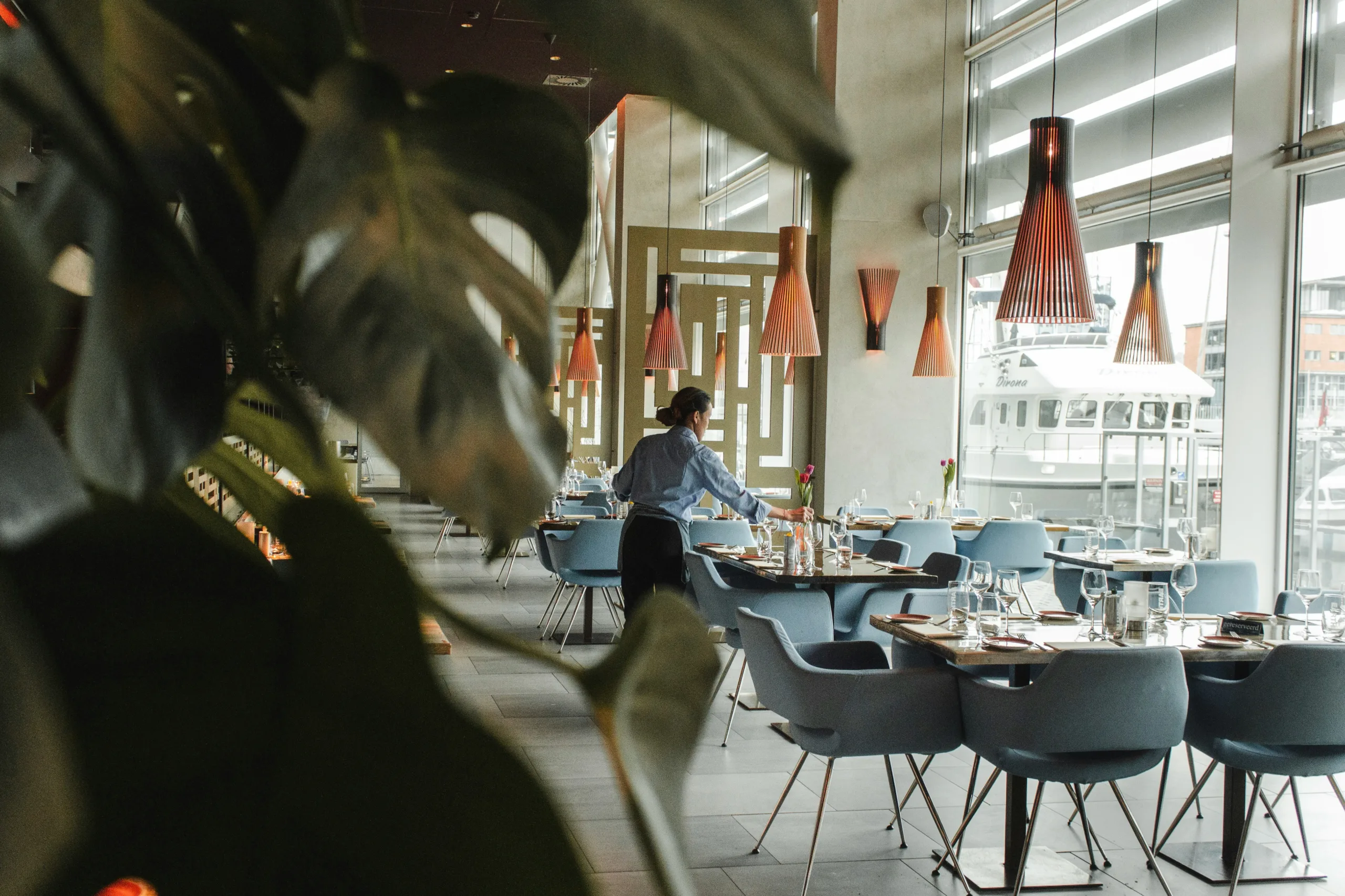
The physical space of your restaurant speaks volumes before a single plate arrives. Is it intimate and candlelit? Crisp and modern? Grand and opulent? High-quality photographs of your dining room, bar area, and even the restrooms (yes, really!) can set the right expectations. Think about showcasing unique architectural features, art installations, or the thoughtful placement of tables that ensures a sense of privacy. This isn’t about showing off; it’s about demonstrating the curated environment that contributes to the overall dining occasion.
The Art of Service, Visually
While it’s harder to capture the essence of excellent service in a still image, you can allude to it. A well-composed shot of a server expertly presenting a dish, a sommelier pouring wine with grace, or a discreetly attentive maître d’ can hint at the high level of personalized care your guests can expect. Short, unobtrusive video clips of these moments can be even more effective in conveying the smooth flow and professionalism of your service team.
The Unignorable Power of Food Photography
This is the most obvious and arguably the most critical aspect of visual marketing for fine dining. The food must look as exquisite as it tastes. This isn’t a task for your iPhone camera and a quick filter.
The Difference Between “Good Enough” and “Gourmet”
Anyone can take a picture of food, but creating images that do justice to a Michelin-starred dish requires skill and understanding. This means employing professional food photographers who understand lighting, composition, styling, and how to make ingredients pop. They know how to capture the glistening sear on a perfectly cooked scallop, the delicate layers of a complex pastry, or the vibrant hues of a fresh salad.
Styling for the Senses: More Than Just Food Placement
Food styling is an art form in itself. It’s about making the food look appealing, fresh, and even appetizing in its purest sense. This involves choosing the right plating, making sure garnishes are precise, and ensuring colors complement each other. It’s about creating a narrative with the food, suggesting its flavor profile and texture through visual cues. A perfectly placed sprig of microgreens isn’t just decoration; it’s a promise of freshness and a hint of herbaceousness.
Lighting: The Unsung Hero of Food Shots
The right lighting can transform an already beautiful dish into a masterpiece. Natural light, when it’s soft and diffused, is often ideal. However, many professional food photographers use a combination of natural and artificial lighting to control shadows, highlight textures, and make colors truly sing. Harsh lighting can flatten a dish, while too much shadow can hide its best features. The goal is to illuminate the dish in a way that entices the viewer and makes them imagine the taste.
Video: Bringing the Fine Dining Experience to Life
While static images are powerful, video offers a dynamic way to showcase the multifaceted nature of fine dining. It allows you to tell a story and immerse potential diners in your world.
The Magic of Motion: Demonstrating Techniques and Processes
Showing the preparation of a signature dish, from the skilled hands of the chef to the final plating, can be incredibly compelling. This isn’t about giving away your secrets, but rather about showcasing the artistry, precision, and quality of ingredients that go into every meal. Short video snippets of delicate knife work, the controlled flames of a sauté pan, or the meticulous assembly of a multi-component dessert can all build anticipation and demonstrate a commitment to culinary excellence.
Crafting a Narrative: The Chef’s Story and Ingredient Journey
Who is the chef? What inspires them? Where do your ingredients come from? Videos can humanize your brand and connect with diners on a deeper level. Short interviews with the chef discussing their philosophy, a brief glimpse into a local farm that supplies your produce, or a montage of the kitchen in action can all build trust and highlight the provenance and care that underpins your cuisine. This is particularly effective for restaurants that pride themselves on farm-to-table concepts or unique ingredient sourcing.
Capturing the “Wow” Factor: Unveiling Signature Dishes or Events
That moment when a particularly stunning dish is presented, or a special event is in full swing – these are perfect for video. Think about the theatrical flair of a tableside preparation, the spark of a flambé, or the joyous atmosphere of a private dining event. These visuals create an emotional connection and convey the memorable moments that diners seek.
Social Media: The Visual Showcase for Modern Diners
Platforms like Instagram, TikTok, and even Facebook have become virtual galleries for restaurants. Your visual content strategy needs to be tailored to these channels.
Instagram: The Aesthetic Playground
Instagram is all about visual appeal. High-quality photographs of your dishes, interiors, and even candid shots of happy diners (with permission, of course!) should be the cornerstone of your feed. Think about creating curated grids that tell a story or highlight different aspects of your restaurant. Using relevant hashtags will help you reach new audiences.
TikTok: Engaging Through Short-Form Video
TikTok is perfect for showcasing behind-the-scenes glimpses, quick recipe highlights (without revealing everything!), or even fun, personality-driven content that shows the human side of your restaurant. Think about time-lapse videos of the kitchen prep or a quick tour of your wine cellar. The key here is to be authentic and engaging.
YouTube: Deeper Dives and Storytelling
For more in-depth content, YouTube is your platform. This could include longer chef interviews, detailed explanations of your culinary philosophy, or even mini-documentaries about your ingredient sourcing. While it requires more effort, YouTube can establish your restaurant as a thought leader and a destination for serious food enthusiasts.
The Importance of Consistency Across Platforms
It’s not enough to have great visuals; they need to be consistent with your brand identity. If your restaurant is elegant and understated, your visuals should reflect that. If it’s modern and vibrant, your visuals should echo that energy.
Brand Identity: More Than Just a Logo
Your visual content should reinforce your restaurant’s unique brand identity. This means ensuring that the style, tone, and quality of your images and videos align with the overall experience you offer. A minimalist restaurant shouldn’t have overly flashy or chaotic visuals, and a lively bistro shouldn’t have stuffy, overly formal photography.
The Professional Touch: Investing in Quality
While DIY can work for some businesses, fine dining demands a level of polish that often requires professional help. Investing in professional photography and videography is not an expense; it’s an essential part of your marketing budget. Poor-quality visuals can actively detract from your brand and leave potential customers questioning the quality of your food and service.
Storytelling Through Sight: Building an Emotional Connection
Ultimately, great visual content for fine dining is about storytelling. It’s about capturing the essence of your restaurant, the passion of your chefs, the quality of your ingredients, and the overall sensory journey you offer. When you can translate the deliciousness and luxury of your dining experience into compelling visuals, you create an emotional connection that drives reservations and builds loyalty. It’s about making people want to be there, to taste, to see, and to experience what you have to offer. The investment in high-quality visual content isn’t just about looking good; it’s about communicating value, desirability, and the promise of an unforgettable culinary adventure. People make decisions based on what they see, and for fine dining, what they see needs to be nothing short of spectacular.