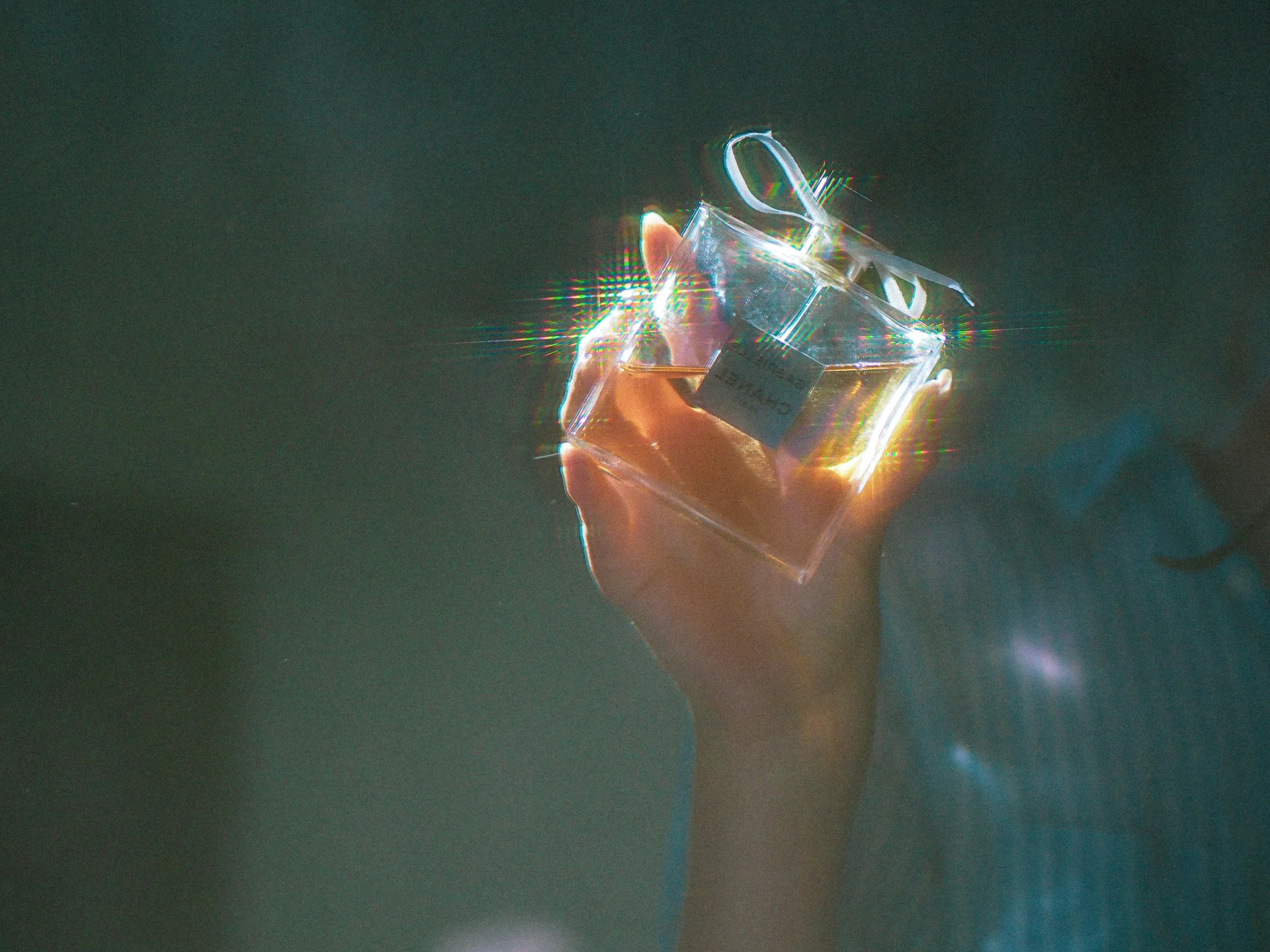
Unveiling the Opulent Tale of Luxury Future Fragrances
May 31, 2026

The world of luxury fragrance is on the cusp of some truly fascinating changes. It’s not just about a new bottle or a different scent note anymore; we’re talking about technology, personalization, and sustainability fundamentally reshaping how we experience and even create perfumes. Think less traditional perfumery and more tailored, innovative experiences that are still undeniably luxurious. This isn’t about fleeting trends, but a deeper evolution of scent as an art form and a personal statement.
The future of luxury fragrance is deeply intertwined with technological advancements. This isn’t about replacing the artisan, but augmenting their capabilities and offering consumers entirely new ways to interact with scent.
AI-Driven Scent Creation
Artificial intelligence is no longer confined to sci-fi films; it’s actively contributing to the creation of new scents. Imagine algorithms analyzing vast datasets of fragrance compounds, consumer preferences, and trending notes, then suggesting novel combinations that would be incredibly time-consuming for a human perfumer to discover alone.
- Predictive Analytics for Trends: AI can identify nascent scent trends long before they become mainstream. By analyzing social media data, search queries, and even fashion trends, AI can predict which olfactive families or specific notes will resonate with consumers in the coming years. This allows luxury brands to be proactive, not reactive, in their product development.
- Optimizing Ingredient Blends: AI can help perfumers optimize ingredient ratios for longevity, sillage (how a fragrance projects), and overall balance. It can even simulate how different raw materials will interact, reducing the need for extensive physical trials and speeding up the development process.
- Personalization at Scale: While true bespoke perfumery remains a niche, AI could enable mass personalization. Imagine an app where you input scent preferences, mood, and even your daily activities, and AI recommends unique blends or even generates a formula for a custom fragrance that perfectly matches specific requirements. This moves beyond simple questionnaires to genuinely dynamic, data-driven formulation.
Immersive Olfactory Experiences
Technology is also enhancing how we experience fragrance, moving beyond just spraying it on skin. These experiences aim to engage multiple senses and create deeper connections with the scent.
- Virtual Reality & Augmented Reality Scent Trials: Picture stepping into a virtual garden or a bustling market, where scents are digitally diffused to complement the visual and auditory experience. This allows consumers to “test drive” fragrances in simulated environments, giving a much richer context than a simple blotter strip. AR apps could overlay information about ingredients, their origins, and even the perfumer’s inspiration directly onto the fragrance bottle when viewed through a phone.
- Scent Diffusion Technology: Advanced diffusers, already present in high-end hotels and retail spaces, are becoming more sophisticated. These devices can subtly change ambient scents throughout the day, release targeted bursts of fragrance based on movement or time, and even mix multiple scent cartridges to create complex compositions. For luxury homes, this means a curated olfactory atmosphere that adapts to mood or occasion.
- Smart Packaging that Interacts: Imagine a fragrance bottle with embedded sensors that track usage, suggest optimal application times based on your activity level, or even re-order when low. Future packaging could also feature dynamic displays that show ingredient information, the perfumer’s story, or even integrate with smart home systems to create a cohesive sensory environment.
The Sustainable Scentscape: Luxury with a Conscience
Luxury and sustainability are no longer mutually exclusive; in fact, ethical practices are becoming an integral part of the luxury narrative. Consumers are increasingly demanding transparency and responsibility from high-end brands.
Ethical Sourcing and Traceability
The origin of raw materials is becoming a critical factor. Consumers want to know that the precious ingredients in their luxury fragrances are sourced responsibly.
- Blockchain for Transparency: Blockchain technology can provide an immutable record of a fragrance’s journey from raw material to finished product. This means tracking the origin of ingredients, verifying fair labor practices for harvesters, and ensuring environmental stewardship at every step. This level of transparency builds trust and reinforces the authenticity of luxury.
- Supporting Local Communities: Luxury brands are increasingly investing in initiatives that support the communities where their rare ingredients are grown. This could involve direct trade relationships, funding local education, or supporting sustainable farming practices that benefit both the environment and the people involved. For example, a brand sourcing Madagascan vanilla might invest in local educational programs.
- Upcycling and Co-Product Utilization: Creative solutions are emerging to minimize waste. This includes upcycling by-products from other industries (e.g., using residual materials from food production for new fragrance compounds) or finding new uses for parts of plants traditionally discarded after essential oil extraction. This reduces overall environmental impact and can lead to unique new scent profiles.
Eco-Conscious Formulations and Packaging
The push for sustainability also extends to the very composition of the fragrance and its presentation.
- Biodegradable and Renewable Ingredients: Research is ongoing into developing more biodegradable fragrance molecules that break down safely in the environment. There’s also a focus on utilizing renewable resources, such as botanicals grown using sustainable agricultural methods, and exploring biotechnology to create ingredients in a more environmentally friendly way than traditional extraction.
- Refillable and Reusable Systems: The days of single-use luxury bottles are waning. High-end brands are embracing elegant refillable bottles as a standard offering. This not only reduces waste but also creates a lasting object of desire for the consumer. Some brands are even exploring return-and-refill programs, where empty bottles are collected, cleaned, and refilled by the brand.
- Minimalist and Recycled Packaging: Packaging is being reimagined to minimize environmental impact without sacrificing luxury appeal. This includes using recycled glass, post-consumer recycled plastics, mushroom-based packaging, or even seed paper that can be planted. The emphasis is on elegant, durable design that is also inherently sustainable, avoiding excessive, unnecessary layers.
The Art of Bespoke: Ultimate Personalization
True luxury has always been about exclusivity and personalization. In the future, this will be pushed to new heights, moving beyond mere customization to genuinely bespoke creations.
Genetic Olfactory Mapping
This sounds like science fiction, but research is exploring the connection between our genetics and our sense of smell. Imagine a future where your DNA could inform a perfumer about which scent molecules you’re most sensitive to, or which notes you’re instinctively drawn to.
- Tailoring to Individual Sensitivity: Our olfactory receptors vary significantly from person to person. What one person perceives as a delightful floral, another might find overwhelmingly sweet. Genetic mapping could identify these individual sensitivities, allowing for the creation of fragrances that are perfectly balanced for your unique sense of smell.
- Predicting Scent Preference: While still in its early stages, the idea is that certain genetic markers might correlate with preferences for specific olfactive families (e.g., woody vs. citrus). This could provide a scientific foundation for more accurate personalized recommendations, going beyond simple questionnaire-based profiling.
- Addressing Allergies and Sensitivities: For individuals with fragrance allergies or sensitivities, genetic profiles could help identify specific compounds to avoid, creating truly safe and enjoyable bespoke options.
AI-Assisted Bespoke Creation
While a human perfumer’s artistry remains paramount, AI can act as an invaluable assistant in the bespoke creation process.
- Rapid Prototyping of Formulas: A client might describe their desired scent profile and inspirations, and an AI could quickly generate multiple formula variations based on these inputs. This allows the perfumer to iterate much faster, presenting the client with a wider range of ideas and quickly narrowing down preferences.
- Analyzing Personal Data for Inspiration: With consent, AI could analyze a client’s lifestyle data – their wardrobe choices, travel history, even music preferences – to suggest unexpected yet fitting scent inspirations. This adds a layer of depth to the creative brief that traditional methods might miss.
- Virtual Blending and Simulation: Imagine a virtual workspace where a perfumer and client can “mix” ingredients and immediately get a holographic representation of the scent, or even a digital “smell” simulation that provides a close approximation of the final product before any physical blending occurs. This minimizes material waste and streamlines the creative approvals process.
Sensory Enhancements: Beyond Just Scent
The future of luxury fragrance isn’t just about smell; it’s about creating a holistic sensory experience that engages multiple senses.
Neuro-Perfumery and Mood Enhancement
Fragrance has a powerful link to emotions and memories. Neuro-perfumery aims to leverage this connection to create scents designed to evoke specific moods or enhance cognitive functions.
- Stress Reduction and Relaxation: Specific scent molecules have been scientifically shown to influence brain activity. Future luxury fragrances might be formulated with compounds proven to reduce cortisol levels, promote alpha brainwaves for relaxation, or even encourage deeper sleep. This moves fragrance from a purely aesthetic choice to a wellness tool.
- Focus and Cognitive Boost: Conversely, certain notes can stimulate alertness and improve concentration. Imagine a fragrance designed for the discerning professional, subtly enhancing focus during important tasks without being overwhelming. This is about functional luxury.
- Emotional Resilience: Some research explores how scents can help in processing emotions or recalling positive memories, potentially aiding in emotional well-being. Luxury brands could offer collections tailored to different emotional needs, acting as personal olfactory anchors.
Multimodal Sensory Blending
The integration of scent with other sensory inputs creates a richer, more profound experience.
- Scent and Sound Pairings: Just as wine has food pairings, future fragrances might come with recommended musical accompaniments or bespoke soundscapes designed to enhance the scent profile. Imagine a smoky oud paired with deep cello notes, or a bright citrus with delicate piano melodies.
- Tactile Packaging and Materials: The feel of the bottle or packaging becomes as important as the visual. High-end luxury will continue to explore innovative materials – perhaps self-cooling metals, textured ceramics, or even bio-materials that feel uniquely organic – to create a memorable tactile experience before the first spray.
- Visual Aesthetics and Olfactory Harmony: Brands are already masters of visual storytelling, but this will become even more integrated with the scent itself. Imagine bottles that subtly change color based on ambient light, or artistic installations that diffuse perfume in visually captivating ways within luxury retail spaces, creating a seamless, beautiful sensory journey.
The Metaverse and Digital Olfaction: A New Frontier
As our lives become increasingly digital, the concept of experiencing scent in virtual spaces becomes a fascinating, albeit challenging, prospect.
Digital Scent Avatars
In the metaverse, your digital avatar might not just have a unique look, but a unique smell too, controllable and perceivable by others in the virtual world.
- Personal Olfactory Identity: Just as you choose digital clothing for your avatar, you could select a “digital scent” that represents your virtual persona. This adds another layer of self-expression in online spaces.
- Contextual Scent in Virtual Environments: Imagine entering a virtual forest and being able to “smell” the digital trees and moss, or walking through a virtual marketplace and encountering the digital aromas of spices and fresh produce. This could make metaverse experiences far more immersive.
- NFTs and Exclusive Digital Scents: Unique, limited-edition digital scents could become collectible NFTs, perhaps tied to real-world luxury fragrance releases or granting access to exclusive virtual events. This creates new avenues for brand engagement and collectible value.
Haptic Olfactory Devices
Since we can’t actually smell digitally (yet), technology will focus on simulating the sensation of smell through other means.
- Wearable Scent Emitters: Small, discreet wearable devices could be developed that release precise bursts of scent, synchronized with your virtual experiences. This provides a direct, localized olfactory sensation that tries to bridge the gap between real and virtual.
- Multi-Sensory Haptics for Olfactory Cues: Beyond just releasing scent, these devices could also integrate haptic feedback to mimic the feeling of a scent – perhaps a coolness for an aquatic note, or a gentle warmth for a spicy accord. This attempts to replicate the overall sensory experience associated with smelling something specific.
- Augmented Reality Overlays for Scent Exploration: Your AR glasses could project visual information about a fragrance onto the air around you, while a wearable emitter releases the actual scent, effectively blending the digital and physical. This allows for interactive exploration of scent notes and profiles without needing to spray anything directly.
The future of luxury fragrance isn’t just about smelling good; it’s about engaging all our senses, addressing our values, and offering deeply personal and meaningful experiences. It’s an exciting time where art, science, and consciousness converge to redefine what a luxury scent truly means.