The Risks of Generic AI Content for Premium Brands
May 31, 2026

The world of premium brands is all about exclusivity, quality, and a unique identity. So, when it comes to content, using generic AI-generated text might seem like a quick fix, but it poses significant risks that can undermine everything a premium brand stands for. In short, it dilutes your carefully cultivated image and can alienate your discerning audience.
Premium brands thrive on their distinct voice, tone, and the stories they tell. This isn’t just about what they sell, but how they communicate it. Generic AI content, by its nature, struggles to replicate this nuanced authenticity.
The Loss of Unique Voice
Every premium brand has a particular way of speaking to its audience. Think about a luxury car manufacturer versus a high-end fashion house – their language, their priorities, and their emotional appeals are vastly different.
- Pattern Recognition and Replication: AI models, especially older or more general ones, are built on vast datasets of existing text. While impressive, this means they tend to identify common patterns and replicate them. For premium brands, this leads to content that sounds like everyone else, rather than uniquely them.
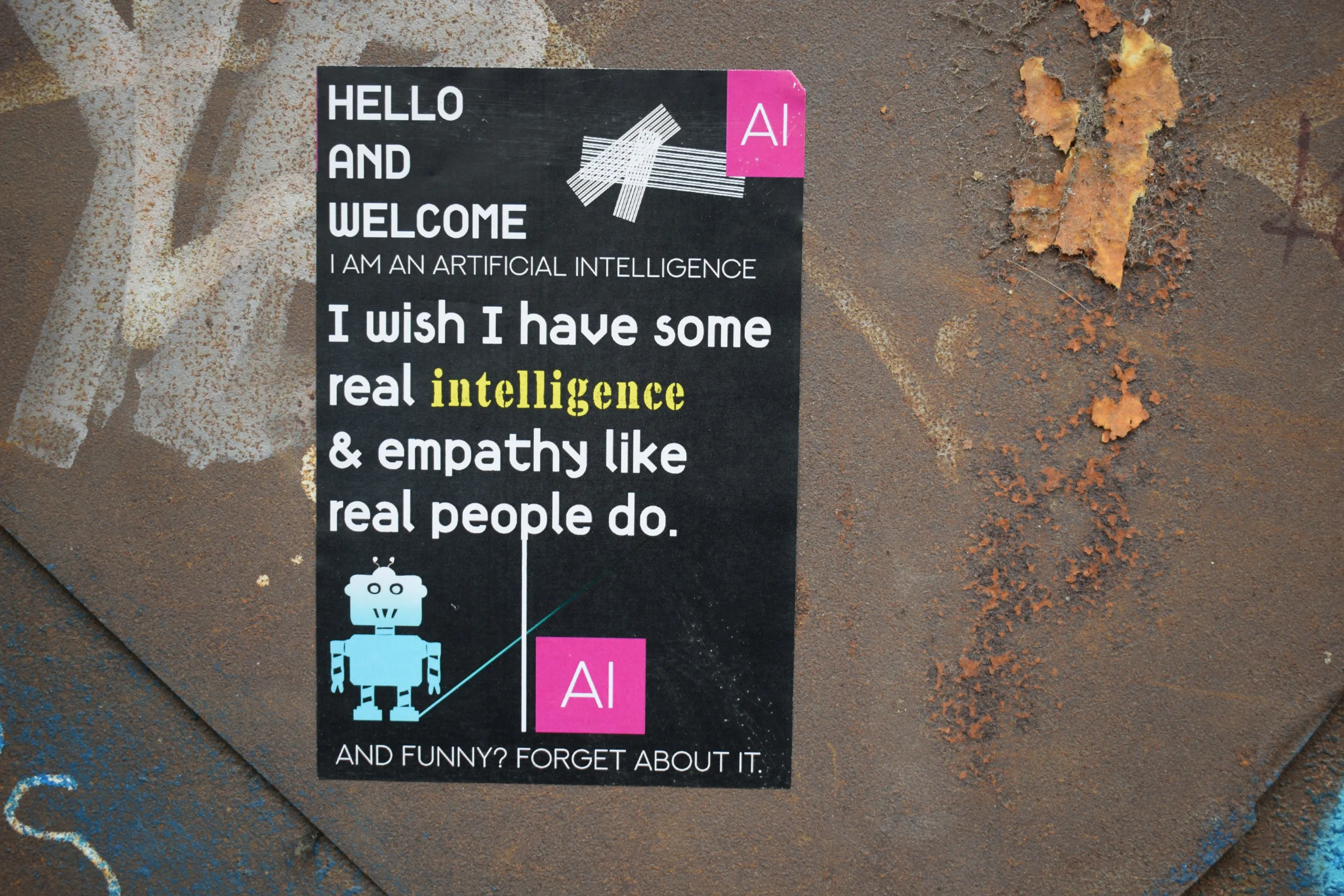
- Absence of Brand Nuance: A brand’s voice isn’t just about vocabulary; it’s about implied meaning, subtle humor, a particular confidence, or a specific empathy. These are incredibly hard for machines to genuinely comprehend and reproduce. They might pick up on keywords but miss the underlying sentiment that truly defines a premium voice.
- Homogenization of Messaging: When multiple brands use similar AI tools with similar prompts, the output begins to converge. This creates a landscape where all brands sound vaguely similar, making it harder for a premium brand to stand out from the crowd and justify its higher price point.
Eroding Trust and Credibility
Premium brands often command trust by demonstrating expertise, transparency, and a deep understanding of their craft. Generic AI content can inadvertently chip away at these foundations.
- Perceived Lack of Effort: Discerning customers can often sense when content feels rushed or uninspired. If they suspect a brand isn’t putting genuine thought and human creativity into its messaging, it can imply a lack of care in other areas too, including product quality or customer service.
- Inaccurate or Shallow Information: While AI can synthesize information, its understanding is statistical, not experiential. It might retrieve facts, but it struggles with genuine insight or the critical context that comes from human expertise within a niche. This can lead to easily verifiable inaccuracies or content that feels superficial, especially when discussing complex manufacturing processes, unique materials, or intricate design philosophies common in premium goods.
- The “Uncanny Valley” of Text: Just as in visuals, there’s an uncanny valley for text. When AI content is nearly perfect but subtly off – perhaps a phrase is clunky, an emotion is misplaced, or the flow feels inorganic – it creates a sense of unease or slight disconnect for the reader. This small friction can subtly erode trust over time.
Risk of Misrepresentation and Inaccuracy
Accuracy and precision are hallmarks of premium brands. Whether describing materials, craftsmanship, or the brand’s heritage, every detail matters. Generic AI content, lacking true understanding or critical judgment, introduces significant risks here.
Generating Factual Errors
AI models are predictive, not inherently truthful. They forecast the next most probable word based on patterns, which doesn’t guarantee factual accuracy, especially in niche or rapidly evolving areas.
- Reliance on Training Data: If the AI’s training data contains inaccuracies or biases, it will perpetuate them. For premium brands discussing highly specific materials (e.g., a particular type of leather, a rare gemstone, a pioneering alloy), industry-specific terminology, or historical brand details, the chances of AI misinterpreting or misstating information increase significantly.
- Lack of Real-World Verification: Unlike a human expert who can cross-reference, consult primary sources, or draw on lived experience, an AI cannot verify information in the same way. It may synthesize plausible-sounding but ultimately incorrect statements from its data. For example, it might confidently state a fabric blend without understanding its practical implications or misattribute a design influence.
- Outdated Information: The knowledge cutoff of AI models means they might not have access to the most current information. For a premium brand that prides itself on innovation, new collections, or contemporary craftsmanship, AI could inadvertently present outdated details about its products or processes.
Misinterpreting Brand Values and Ethos
Premium brands are often built on deeply held values – sustainability, craftsmanship, heritage, innovation, ethical practices. Communicating these values authentically is crucial. AI struggles with this abstract understanding.
- Superficial Adoption of Buzzwords: AI can easily pick up on terms like “sustainability,” “ethical sourcing,” or “handcrafted.” However, it might use them in a generic or contradictory context, without truly grasping the brand’s specific commitment or the nuances involved. This can lead to messaging that sounds hollow or even hypocritical.
- Inconsistent Messaging: Without a deep understanding of the brand’s core values, AI might generate content that, while individually plausible, collectively sends mixed signals. For instance, one piece of content might emphasize exclusivity, while another, generated by AI, might accidentally lean into mass-market appeal.
- Failure to Convey Brand Story: Premium brands often have rich backstories, founding principles, or a unique philosophy that informs everything they do. AI can summarize these stories but often fails to convey the emotional weight, the human struggle, or the passion that makes them compelling. The resulting narrative feels flat and devoid of genuine brand soul.
Legal and Ethical Considerations
Beyond brand image, using generic AI content brings forward a host of legal and ethical challenges that premium brands, with their higher scrutiny and emphasis on integrity, cannot afford to ignore.
Copyright Infringement Risks
The legal landscape around AI-generated content and copyright is still evolving, but potential risks are already apparent.
- Training Data Scrutiny: AI models are trained on vast amounts of existing text, much of which is copyrighted. While the act of training itself is debated, the output generated by AI might bear too close a resemblance to copyrighted material in its training data.
- Plagiarism by Proxy: If AI generates content that inadvertently mimics existing copyrighted works – even without direct copying – the brand publishing it could still face accusations of plagiarism or copyright infringement. This is particularly dangerous for premium brands whose content is expected to be original and of the highest caliber.
- Defensibility of Originality: Even if a brand edits AI-generated content, how much “human intervention” is required to claim originality and copyright protection for the final piece? This is a gray area, and relying heavily on AI may weaken a brand’s ability to defend its own content rights or challenge others who copy its AI-derived text.
Algorithmic Bias and Misinformation
AI models can inadvertently replicate and amplify biases present in their training data, leading to problematic content generation.
- Stereotypical Language: Training data often reflects societal biases. AI might generate language that reinforces stereotypes related to gender, race, age, or socioeconomic status. For a premium brand aiming for inclusivity and sophistication, such output can be deeply damaging and alienating.
- Unintended Negative Associations: An AI might, without understanding, pair a brand’s product or service with negative connotations or associations based on patterns it found in its data. For example, it could link a luxury item with themes that contradict the brand’s ethical stance or ideal customer demographic.
- Fueling Misinformation: If an AI model generates content that contains inaccuracies or presents subjective opinions as facts, and this content is published unchallenged, the premium brand unintentionally becomes a purveyor of misinformation. This directly erodes the brand’s carefully built credibility and expert status.

Negative Impact on SEO and Digital Presence
Premium brands invest heavily in their digital presence and search engine optimization (SEO) to reach their discerning audience. Generic AI content, ironically, can undermine these efforts.
Search Engine Penalties for Low-Quality Content
Search engines are increasingly sophisticated at identifying low-quality, unoriginal content, and penalizing it.
- Google’s Stance on AI Content: While Google has stated that AI content isn’t inherently bad, its guidelines emphasize “helpful, reliable, people-first content.” Generic, unedited AI content often falls short of this. If content is deemed “spammy,” lacking in unique insight, or clearly mass-produced, it can lead to lower rankings.
- “Thin Content” Classification: Content that offers little to no added value, simply rephrases existing information, or sounds overly generalized is often classified as “thin content.” Search engines view this negatively, as it doesn’t serve the user’s intent effectively, leading to de-prioritization in search results.
- Engagement Metrics Decline: If users find AI-generated content to be bland or unhelpful, they’ll spend less time on the page, bounce more frequently, and interact less. These negative engagement signals are picked up by search engines and can contribute to lower rankings over time.
Diminished Opportunity for Organic Discovery
The goal of SEO is to make a brand discoverable to the right audience. Generic AI content makes this significantly harder.
- Lack of Unique Keyword Opportunities: Premium brands often target niche keywords and long-tail phrases that reflect their specific offerings and unique selling points. Generic AI tends to focus on broad, common keywords, making it difficult for the brand to rank for the highly specific terms its discerning customers are searching for.
- Reduced Backlink Potential: High-quality, insightful content naturally attracts backlinks from other reputable sites. Generic AI content, lacking originality or deep expertise, offers little incentive for others to link to it. This stifles a critical component of strong SEO and organic authority building.
- Inability to Establish Thought Leadership: A key aspect of premium branding in the digital space is establishing thought leadership – becoming an authoritative voice in a particular domain. Generic AI content, by its very nature, cannot achieve this. It summarizes, but it doesn’t innovate, analyze, or provide unique insights, thus preventing the brand from owning its niche in search results.
Customer Experience and Brand Perception
Ultimately, premium brands are about delivering an exceptional customer experience. Generic AI content can create friction points and subtly shift how customers perceive the brand.
Disengaged and Uninspired Audience
Premium customers are often highly educated, discerning, and expect a certain level of sophistication and personal connection. Generic AI content can feel like a direct affront to these expectations.
- Lack of Emotional Resonance: AI struggles to infuse content with genuine emotion, passion, or the human touch that connects deeply with an audience. For premium products, which are often bought for their emotional value as much as their functional utility, this is a significant drawback. A brand’s story, values, and even the feeling of a product are hard for AI to encapsulate genuinely.
- Boring and Forgettable Content: When content sounds like everything else, it becomes instantly forgettable. Premium brands aim to create memorable experiences at every touchpoint. Generic AI content contributes to a forgettable brand impression rather than enhancing it.
- Damaged Brand-Customer Relationship: Disengaged content signals a lack of investment in the customer relationship. It can feel impersonal, as if the brand views its audience as a generic target rather than valued patrons. This can chip away at loyalty and advocacy, cornerstones of premium brand success.
Devaluation of the Brand Experience
Using shortcuts like generic AI content can, over time, devalue the entire premium brand experience, even if the primary product or service remains high quality.
- Inconsistency Across Touchpoints: If product descriptions are rich and detailed, but blog posts or social media captions are generic and bland due to AI, it creates an inconsistent brand experience. This disjointedness can make the overall brand feel less cohesive and less “premium.”
- Undermining Perceived Quality: High-quality content, like high-quality packaging or customer service, is part of the premium offering. If the content feels cheap or mass-produced, it subtly suggests that the brand corners might be cut elsewhere, even if that’s not true for the physical product.
- Loss of Exclusivity and Aspiration: Premium brands often cultivate an aura of exclusivity and aspiration. Generic AI content, which can be easily replicated by anyone, directly contradicts this. It democratizes the brand’s voice in a way that undermines its carefully constructed image of being unique, rare, or specially crafted. The content itself becomes a commodity, rather than an extension of the premium product.
In conclusion, while AI offers powerful tools, its raw output is rarely suitable for the nuanced demands of premium branding. The risks of diluted identity, inaccuracy, legal problems, SEO damage, and a poor customer experience far outweigh the perceived efficiency gains. Premium brands must insist on human insight, creativity, and authenticity in their content strategy to maintain their distinguished position in the market.