The Rise of Chef-Led Storytelling in Luxury Hospitality
May 31, 2026

The luxury hospitality scene is seeing a fascinating shift: chefs aren’t just cooking anymore; they’re becoming storytellers. This means that when you dine at a high-end restaurant, especially in a luxury hotel, you’re not just getting a meal – you’re getting an experience curated entirely by the chef, often infused with their personal history, philosophy, and connection to the ingredients. It’s about a deeper, more meaningful engagement with food, moving beyond mere indulgence to a genuine cultural and personal exploration.
Luxury dining used to be pretty prescriptive. White tablecloths, hushed tones, and a certain distance between kitchen and table. While that still exists, there’s a growing desire for something more relatable, more human.
From Back-of-House to Front-and-Center
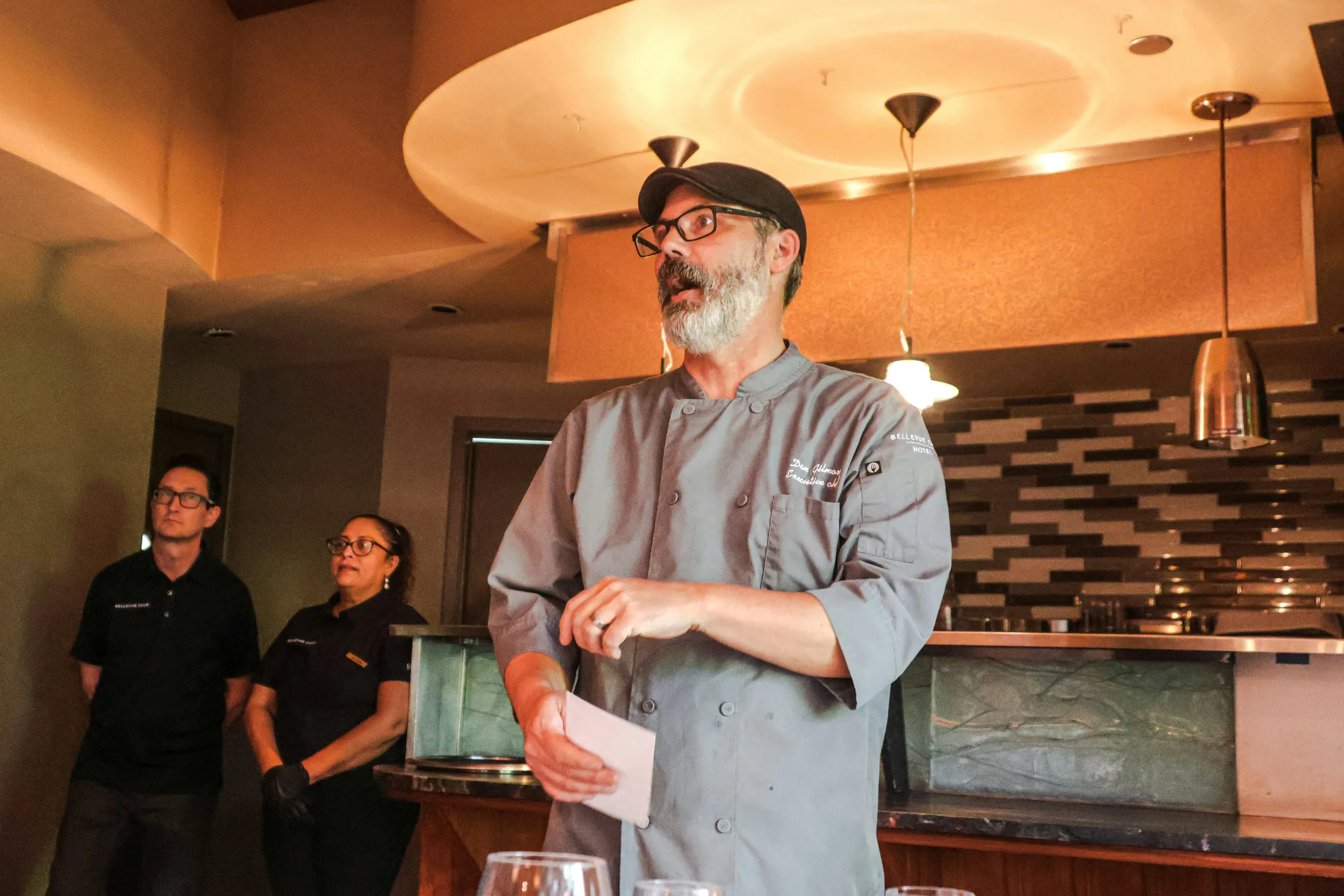
Chefs in luxury settings are stepping out of the shadows. They’re engaging with diners, explaining their dishes, and sometimes even leading tours of their kitchens or gardens. This isn’t just a marketing ploy; it’s a genuine desire to share their passion and craft directly with the guest.
- Personal Introductions: Many chefs now personally greet guests, particularly in smaller, more intimate dining rooms. This breaks down the traditional barrier and makes the experience feel much more personal and exclusive.
- Table-Side Explanations: Instead of merely sending out a server with a pre-written description, chefs or their senior team members are often at the table, discussing the provenance of ingredients, the inspiration behind a dish, or even a technique used. This adds a layer of authenticity and depth that a printed menu can’t convey.
- Open Kitchens as Performance Stages: The rise of open kitchens isn’t just about showing off cleanliness. It’s about bringing the drama and artistry of the kitchen directly to the diner, making the preparation part of the overall show.
Building Relationships, Not Just Reservations
When a chef shares their story, they’re not just selling a dish; they’re building a connection. Guests feel a stronger link to the food when they understand the journey behind it, the hands that prepared it, and the passionate mind that conceived it.
- Repeat Guests Seek Connection: For returning patrons, the relationship with the chef can become a significant draw. They might look forward to new menu insights or even a quick chat about their previous dining experience. This fosters loyalty beyond just the food itself.
- The Chef as a Brand Ambassador: In luxury hospitality, the chef often becomes synonymous with the restaurant and, by extension, the hotel. Their personality, philosophy, and culinary approach become key differentiators in a competitive market.
The Narrative Arc: Crafting a Culinary Journey
A meal is no longer just a sequence of plates; it’s a progression, a story with a beginning, middle, and end. Chefs are consciously designing these journeys.
Thematic Menus and Story Arcs
Many luxury restaurants are moving away from à la carte options towards tasting menus that tell a cohesive story. This can be based on a season, a geographical region, a specific ingredient, or even a personal memory of the chef.
- Seasonal Storytelling: A menu might follow the progression of spring, from delicate sprouts to more robust early summer produce. Each dish becomes a chapter in the season’s tale.
- Regional Expeditions: Chefs often draw inspiration from a specific region, not just its ingredients but its history, its people, and its culinary traditions. They transport diners to that place through their dishes. For example, a chef who grew up in Sicily might craft a menu that traces the island’s diverse cultural influences through its food, from Greek and Roman roots to Arab and Norman additions. They might present a dish inspired by local street food, elevated with luxury ingredients, or a classic pasta dish made with heirloom grains sourced directly from a small Sicilian farm.
- Ingredient Focus: Sometimes the story centers around a single star ingredient, showcasing its versatility and different facets across multiple courses – think a tasting menu dedicated entirely to different preparations of a local heritage tomato or a rare cut of Wagyu beef. The chef might explain the specific breed of the tomato, the farm it came from, or the precise conditions under which the Wagyu was raised, drawing the diner into the narrative of the raw product itself.
The Origin Story: Where Ingredients Come From
Understanding the provenance of ingredients is a huge part of this storytelling. It’s not just about “local” anymore; it’s about specific local, specific ethical, and specific sustainable sourcing.
- Farm-to-Table, Deep Dive: Chefs are increasingly sharing the precise details of their sourcing. This goes beyond naming a farm; it might include the farmer’s name, their philosophy, or even the challenges they face in producing the ingredients. This creates a sense of connection and appreciation for the raw materials. A chef might tell the story of a particular fishing boat that supplies their daily catch, explaining their sustainable practices and the specific waters they trawl.
- Foraging and Wildcrafting: For chefs who incorporate foraged ingredients, the story of finding and identifying these elements becomes a captivating narrative. It speaks to a deep connection with nature and a unique skill set. Imagine a chef describing a morning spent in a nearby forest, carefully identifying edible mushrooms or wild herbs, and then explaining how these elements are incorporated into a dish to evoke a specific sense of place or season.
- The Global Pantry & Cultural Connections: When exotic ingredients are used, the story often shifts to the cultural context of those ingredients. How are they traditionally used? What memories do they evoke from the chef’s travels or background? This turns a simple ingredient into a window into another culture. For example, a dish featuring a rare spice might come with an explanation of its journey along ancient trade routes or its role in a specific ceremonial meal from its country of origin.

Tech Touch: Enhancing the Culinary Narrative
While the core of chef-led storytelling is profoundly human, technology is playing an interesting role in amplifying these narratives.
Digital Menus with Embedded Stories
Gone are the days of sterile, static menus. Luxury restaurants are using digital platforms to provide richer context.
- QR Codes for Deep Dives: Scanning a QR code might lead to a short video of the chef discussing a dish, a map showing the origin of an ingredient, or an article about the historical significance of a culinary technique.
- Interactive Visuals: Digital menus can include high-quality photography and short animations that enhance the visual appeal and provide a glimpse into the dish’s preparation or inspiration. This can make the menu itself part of the visual storytelling experience, preparing the diner for what’s to come.
- Chef’s Notes and Personal Anecdotes: The digital format allows chefs to add personal notes or anecdotes directly to dish descriptions, making the menu feel more like a personal letter from the kitchen rather than just a list of ingredients.
Social Media as a Storytelling Stage
Chefs are leveraging platforms like Instagram and Twitter to connect directly with their audience and share their daily inspirations, behind-the-scenes glimpses, and thought processes.
- Behind-the-Scenes Peeks: Short videos and photos of kitchen prep, ingredient sourcing trips, or recipe development allow followers to feel like they’re part of the creative process. It demystifies the kitchen and highlights the artistry involved.
- Daily Inspirations and Thoughts: Chefs often share fleeting ideas, challenges, or moments of inspiration. This allows followers to engage with the chef’s personality and creative journey on a more continuous basis, moving beyond just the dining experience itself.
- Ingredient Spotlights: Social media is an excellent platform for chefs to showcase new or seasonal ingredients, explaining their properties, ideal uses, and the farmer who produced them, building anticipation for their appearance on the menu.
Virtual and Augmented Reality Experiences
While not widespread, some cutting-edge luxury establishments are experimenting with immersive tech to enhance the storytelling.
- VR Tours of Farms or Vineyards: Imagine a short VR experience showcasing the very vineyard where the wine you’re drinking was produced, or the farm where the vegetables on your plate were grown. This creates an unparalleled level of immersion.
- AR-Enhanced Plate Presentations: Augmented reality could potentially layer digital information onto a plate, showing the historical origins of a dish or the movement of a river that inspired its plating, creating an interactive and educational dining experience.
- Interactive Digital Art Installations: Some restaurants are using projection mapping and other digital art forms to create dynamic environments that respond to the menu or the narrative being told, transforming the dining room into an extension of the chef’s creative vision.

The Impact: What Does This Mean for Luxury Hospitality?
This shift towards chef-led storytelling isn’t just a trend; it’s fundamentally reshaping the value proposition of luxury dining.
Elevated Perceived Value
When a meal comes with a rich narrative, it feels more special, more exclusive, and ultimately, more valuable. Guests aren’t just paying for high-quality food; they’re paying for an immersive cultural experience.
- Beyond Ingredients: The true luxury is moving beyond just the cost of ingredients. It’s about the unique perspective, the skill, the creativity, and the personal touch of the chef. The story becomes the premium element.
- Memorable Experiences: A meal with a strong story is far more memorable than one without. It lingers in the mind, becoming a talking point and a cherished memory, which is what luxury experiences are ultimately about.
- Justification for Price Point: In luxury dining, guests expect to pay a premium. Chef-led storytelling provides a compelling justification for that price, demonstrating the immense thought, effort, and personal investment that goes into each dish and the overall experience.
Differentiation in a Crowded Market
In the competitive world of luxury hospitality, unique experiences are crucial for standing out. A chef with a distinct story and philosophy offers a powerful differentiator.
- Unique Selling Proposition: A chef’s personal story, their background, their travels, or their unique approach to cuisine becomes their restaurant’s unique selling proposition. It tells guests precisely why this particular dining experience is different from any other.
- Building Brand Identity: The chef’s narrative becomes intrinsically linked to the brand identity of the restaurant and the hotel. It creates a cohesive and compelling story for guests, making the entire establishment more distinctive.
- Attracting Talent: For aspiring chefs, the opportunity to work under a celebrated culinary storyteller offers invaluable learning and creative growth, helping luxury establishments attract and retain top talent.
Fostering a Deeper Appreciation for Food and Culture
Perhaps the most profound impact is the way this trend encourages guests to think more deeply about what they eat.
- Educating the Palate and Mind: Through storytelling, chefs are not just feeding guests; they are educating them. Diners learn about ingredients, techniques, regions, and cultural traditions, fostering a deeper appreciation for the culinary arts.
- Encouraging Conscious Consumption: Understanding the journey of food, from farm to fork, often encourages guests to be more conscious about their own food choices, supporting sustainable practices and local producers.
- Cultural Exchange through Cuisine: When chefs share stories from their heritage or travels, food becomes a powerful vehicle for cultural exchange, allowing diners to explore different perspectives and traditions through taste and narrative.
The rise of chef-led storytelling is a natural evolution for luxury hospitality. It taps into a universal human desire for connection, meaning, and authenticity. It’s about more than just food; it’s about a shared journey, a deeper understanding, and an experience that nourishes not just the body, but the mind and soul too. And that, in an increasingly impersonal world, is a luxury indeed.