How to Write Restaurant Features That Feel Premium
May 31, 2026

So, you want to write restaurant features that make people feel like they’re getting the inside scoop, the real deal, something special? It’s not about fancy words or endless adverbs. It’s about tapping into what makes a restaurant genuinely stand out and then showing that to your reader. Think of it less as a review and more as an invitation to experience something unique.
The core idea is to go beyond just saying “the food was good.” Premium features are about capturing the essence, the story, the subtle details that elevate a dining experience from ordinary to memorable. It’s about making the reader feel the atmosphere, taste the care, and understand the passion behind the plate. We’ll break down how to achieve that, step-by-step.
Every great restaurant has a reason for being beyond just serving food. Your job is to find that narrative thread. It’s the bedrock upon which your entire feature will be built. This isn’t about interviewing someone who just says “we use fresh ingredients.” It’s about digging deeper.
The Founder’s Vision: More Than Just a Business Plan
Who started this place and why? Was it a lifelong dream, a way to honor heritage, or a response to a specific culinary gap? What were their initial hopes and fears? Understanding this provides an emotional anchor for your writing.
- The Spark of an Idea: Did a particular dish or memory inspire them? Was there a moment of clarity that led to the restaurant’s conception? Don’t shy away from the personal anecdotes, as these often reveal the authentic drive.
- The Philosophy Behind the Plate: What are their core beliefs about food, service, or community? Do they prioritize sustainability, local sourcing, innovation, or tradition? Articulate these clearly.
- The Evolution of the Dream: How has the restaurant changed or adapted since its inception? What challenges have they overcome? This shows resilience and a commitment to growth, which can be very compelling.
The Chef’s Signature: It’s Personal
The chef is often the heart of a restaurant’s culinary identity. Their background, training, and personal culinary journey are where the magic starts.
- Culinary Roots and Influences: Where did they learn their craft? What cuisines or chefs have shaped their style? This can offer fascinating insights into the flavor profiles and techniques they employ.
- The Creative Process: How do they come up with new dishes? Is it methodical, spontaneous, or research-driven? Describe their experimentation and dedication to perfecting each element.
- Ingredient Obsession: Why these specific ingredients? Are they connected to a personal story, a specific region, or a particular farming practice they admire? This detail adds immense value to the reader’s understanding.
The Ambiance: Crafting the Atmosphere
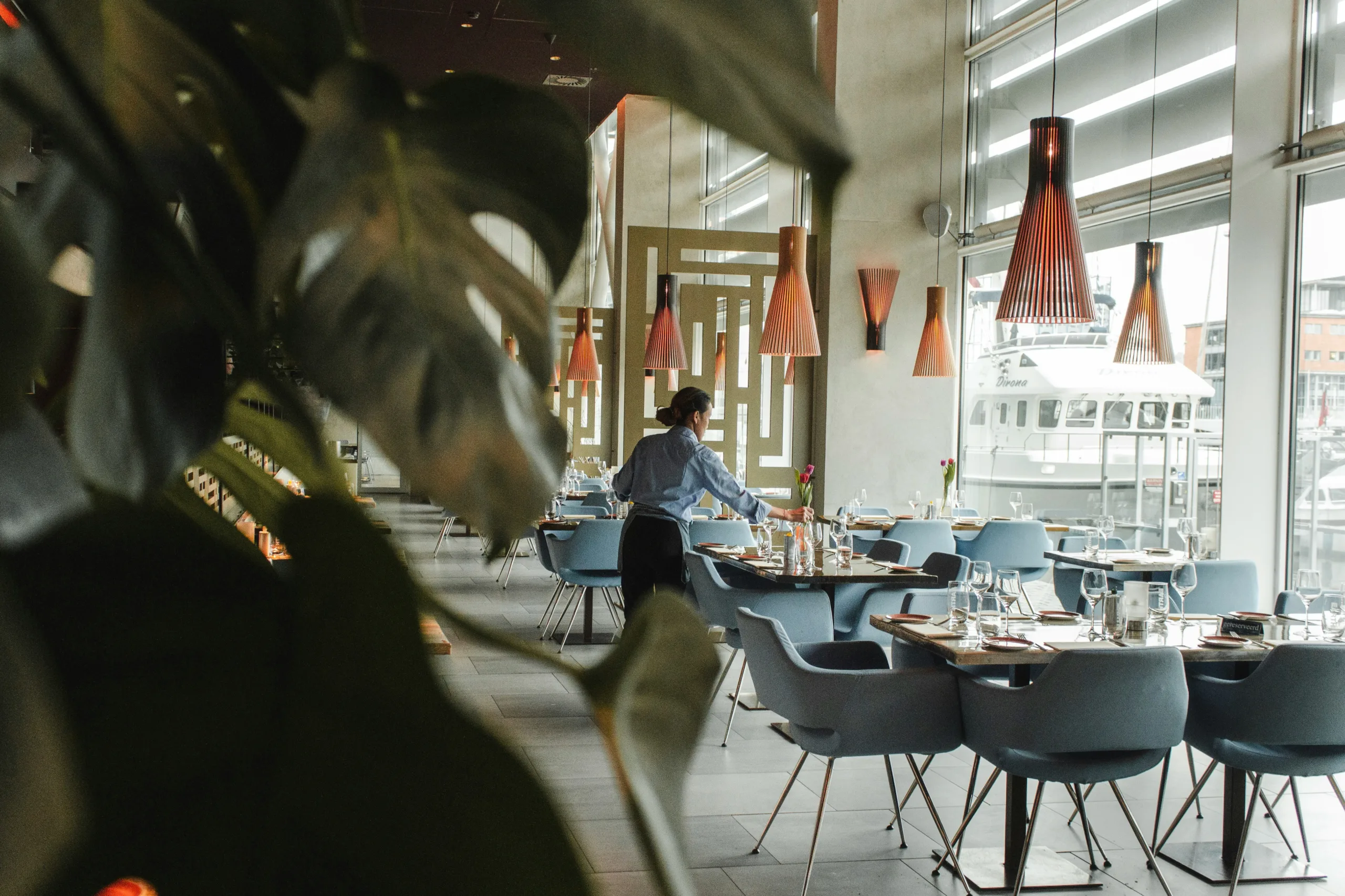
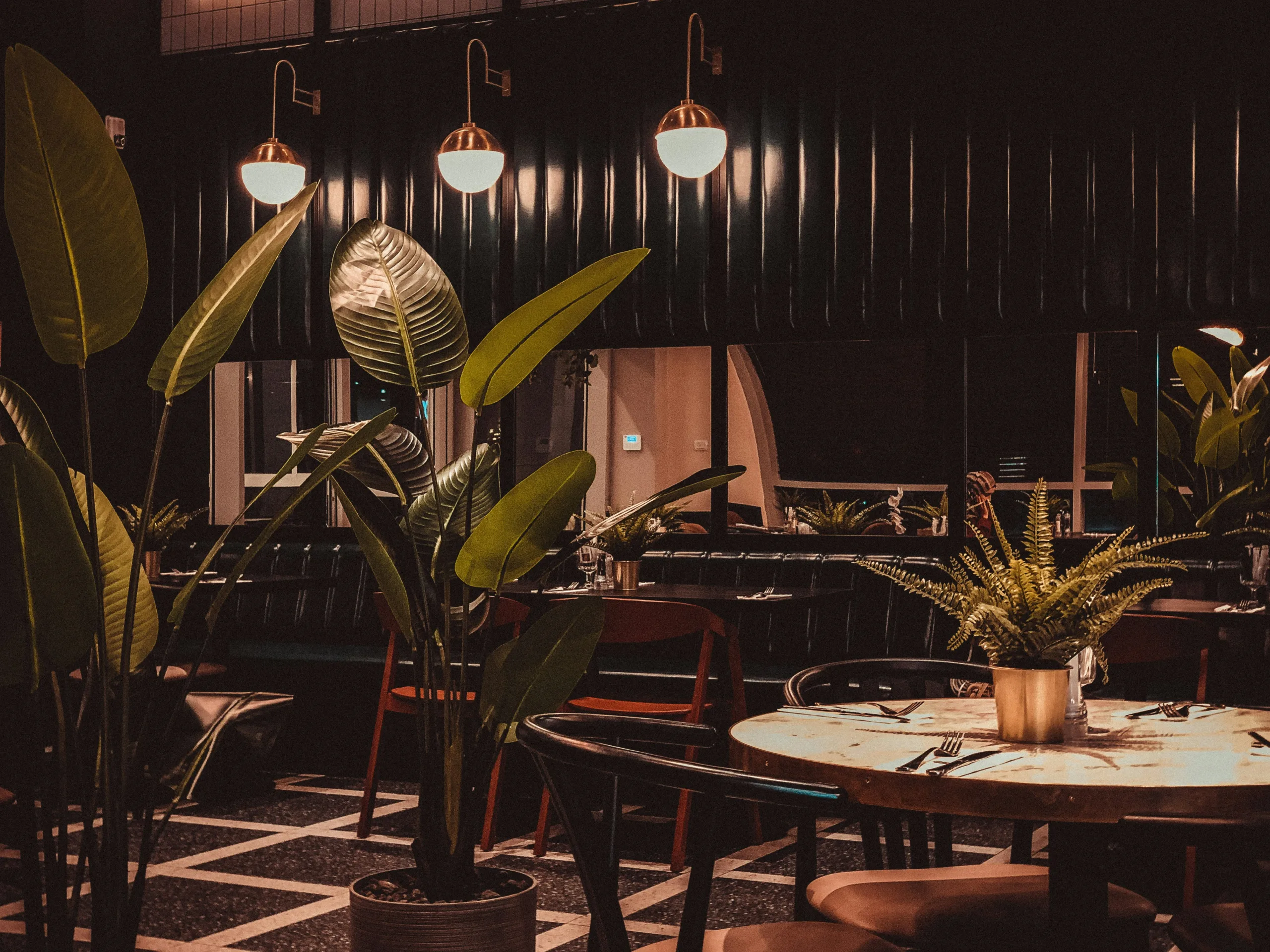
A premium experience is multi-sensory. The décor, lighting, music, and even the staff’s interactions all contribute to the overall feeling.
- Designing for an Experience: How does the physical space intentionally create a particular mood? Is it designed for intimacy, energy, relaxation, or something else entirely?
- The Details That Matter: Small touches often make a big difference. Look at the tableware, the glassware, the flow of the space, and the artwork. Are these choices deliberate and impactful?
- The Soundtrack of the Space: Is the music carefully curated? Does it complement the food and the vibe, or is it an afterthought? Mention how it contributes to the overall immersion.
Painting the Palate: Describing Food with Precision and Emotion
This is where many features fall short. Generic praise is forgettable. Premium description makes the reader crave the dish. It’s about engaging all the senses and using evocative language that isn’t over-the-top.
Beyond “Delicious”: Engaging the Senses
- Texture as a Character: Is it crisp, silken, yielding, chewy, airy, rich? Texture is often overlooked but is crucial to the mouthfeel and enjoyment of food.
- Aroma’s Subtle Story: What does it smell like? Is it smoky, herbaceous, floral, earthy, pungent? The aroma is the first impression food makes before it even hits the tongue.
- Visual Artistry on the Plate: Describe the plating with care. Is it elegant, rustic, playful, architectural? The visual presentation sets expectations.
- The Symphony of Flavors: Break down the taste. Is it bright, deep, complex, subtle, bold? Identify specific flavor notes – a hint of citrus, the warmth of spice, the umami depth, a surprising sweetness.
The Story of the Ingredients: Where They Come From Matters
Premium restaurants often have a deep connection to their ingredients. Highlighting this adds a layer of sophistication and interest.
- The Farm and the Farmer: If the restaurant sources locally, get specific. Name the farm, the producer, and perhaps even the philosophy of their growing practices. This creates a connection beyond just “local.”
- Unique or Heritage Ingredients: Are they using heirloom vegetables, rare cuts of meat, artisanal cheeses, or spices with a specific origin story? These details make the dish unique.
- The Seasonality’s Rhythms: How does the menu reflect the current season? This shows a thoughtful approach to cooking and a respect for natural cycles.
Technique as a Craft: The Chef’s Skill on Display
The “how” is just as important as the “what.” When a chef employs a particular technique exceptionally well, it deserves recognition.
- Mastery of the Classics: Is a classic dish rendered with such perfection that it redefines the standard?
- Innovative Applications: Are they using modern techniques (sous vide, fermentation, etc.) to achieve something truly novel and delicious?
- The Balance of Elements: How do different components on the plate interact? Does the acidity cut through richness? Does a crunchy element provide contrast to a soft one? Describe this culinary interplay.
The Human Element: Service That Elevates
In a premium restaurant, the service isn’t just about taking orders. It’s about anticipating needs, creating a seamless experience, and making guests feel genuinely cared for.
The Art of Anticipation: Beyond a Smile
The best service is often invisible because it’s so intuitive. Guests shouldn’t have to ask for what they need.
- Reading the Table: Can servers sense when a guest is looking for attention, needs a refill, or has a question? This is a subtle skill honed through experience.
- Proactive Problem Solving: What happens if something isn’t quite right? Does the staff handle it with grace and efficiency? This is how trust is built.
- The Right Level of Engagement: Are the servers knowledgeable without being overbearing? Do they offer recommendations or explanations when appropriate, and then step back?
Knowledge as a Welcome Guide
For a premium experience, staff should know the menu inside and out, and be able to articulate it compellingly.
- Dish Breakdown: Can they explain the ingredients, the preparation, and the inspiration behind each dish? This elevates the dining conversation.
- Wine and Beverage Pairing Expertise: If applicable, are they adept at suggesting pairings that enhance the meal? Their suggestions should feel informed, not rote.
- Understanding Dietary Needs: How does the restaurant handle allergies or dietary restrictions? A premium establishment treats these with utmost seriousness and care.
The Choreography of Service
Think of a well-run restaurant as a dance. Every movement is precise and coordinated.
- Timing is Everything: How is the pacing of the meal? Are courses delivered at appropriate intervals? Is there a sense of flow?
- Teamwork in Action: Observe how the front-of-house staff interact with each other. A smooth operation is a sign of strong leadership and training.
- The Personal Touch: Do staff members remember previous guests, engage in genuine conversation, or offer thoughtful gestures like a birthday acknowledgment? These details create loyalty.


The Setting and the Story: Context is Key
A restaurant doesn’t exist in a vacuum. Its location, its history, and its place within the community all contribute to its premium feel.
Location, Location, Story: Why This Spot?
Is there something special about where the restaurant is situated?
- Historical Significance: Is the building itself part of the story? Does it have a rich past that informs the restaurant’s identity?
- Neighborhood Charm: How does the restaurant fit into its surroundings? Does it draw on the local culture or offer a unique perspective on the area?
- View or Unique Setting: Does the location offer a spectacular view or an unusual environment that enhances the dining experience? For example, a restaurant in a repurposed lighthouse or overlooking a vibrant cityscape.
The Restaurant’s Place in the Culinary Landscape
How does this establishment distinguish itself from others?
- Pioneering Trends: Is this restaurant a trendsetter, introducing new ingredients, techniques, or dining concepts?
- Championing a Niche: Are they a champion of a particular cuisine, culinary style, or philosophy (e.g., hyper-local, zero-waste, specific regional focus)?
- Community Connection: Does the restaurant actively support local suppliers, participate in community events, or foster a sense of belonging? This adds a layer of depth.
The Takeaway: Why This Restaurant Lingers
Your feature should leave the reader with a lasting impression, a sense of what makes this place truly special. The “premium” feeling isn’t just about price; it’s about perceived value and an unforgettable experience.
The Lasting Impression: More Than Just Fullness
What lingers after the meal is finished?
- A Sense of Discovery: Did the reader discover something new – a flavor, a technique, an ingredient, or a perspective?
- An Emotional Resonance: Did the meal evoke a feeling? Was it comforting, exciting, indulgent, or inspired?
- A Culinary Memory: What specific dish or moment will the reader recall long after the meal? Make it vivid.
The “Investment” Justification: Value Beyond Cost
Premium doesn’t always mean expensive, but it does mean worth it.
- Quality of Ingredients: Readers understand that superior ingredients come at a cost. Articulate why these ingredients are superior.
- Craftsmanship and Skill: The effort and expertise poured into the food and service are tangible value.
- The Overall Experience: The ambiance, the service, and the food combine to create something you can’t replicate elsewhere. This holistic approach is the core of value.
The Call to Experience: Encouraging a Visit
Ultimately, your feature should inspire someone to go.
- Targeted Invitation: Who is this restaurant best suited for? Young professionals, romantic couples, food adventurers, families seeking a refined outing?
- Highlighting the Must-Try: If there’s a signature dish or a unique aspect of the experience, make it clear why it’s unmissable.
- Setting Expectations Appropriately: Be clear about the price range and the overall vibe so potential diners know what to expect.
By focusing on these concrete elements – the “why,” the sensory details, the human touch, the context, and the lasting impression – you can move beyond generic descriptions and craft restaurant features that truly capture a premium experience. It’s about observation, thoughtful language, and a genuine appreciation for the craft involved.