Fine Dining as a Luxury Lifestyle Experience
May 31, 2026

Fine dining, at its core, is a deeply immersive luxury lifestyle experience that extends far beyond just the food on your plate. It’s about a curated sensory journey, a special occasion, and sometimes even a highly anticipated event. Forget just grabbing a bite; this is an intentional indulgence designed to delight and impress, transforming a meal into a memorable story. It’s an investment in an experience, a signal of discerning taste, and often, a way to mark significant life moments.
When you talk about fine dining, you’re really talking about a carefully constructed experience. It’s not just about satisfying hunger; it’s about stimulating all your senses and creating a lasting impression. From the moment you step through the doors, you’re entering a world designed for pleasure and sophistication.
The Ambiance: Setting the Scene
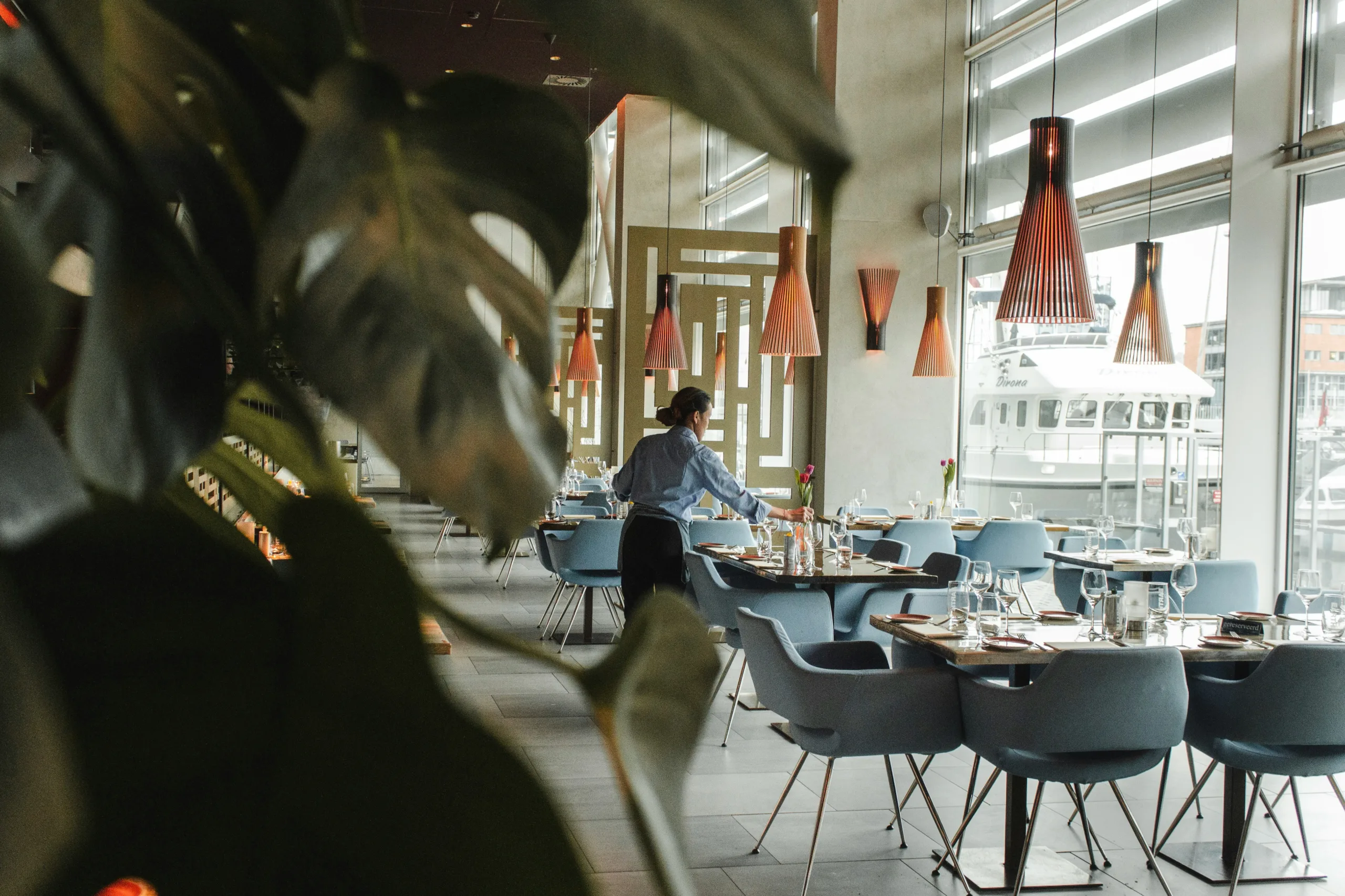
The physical space is fundamental to the fine dining experience. Think beyond just tables and chairs. It’s about the design, the lighting, the spacing between tables, and even the carefully chosen background music. This is where a restaurant starts to tell its story.
Design and Decor
Every element, from the artwork on the walls to the texture of the tablecloths, is meticulously chosen. High-end restaurants often employ leading interior designers to craft a unique atmosphere – be it opulent, minimalist, rustic chic, or ultra-modern. The goal is to transport you, to set a tone that complements the culinary journey ahead. Imagine plush velvet banquettes, gleaming crystal chandeliers, or sleek, understated lines that allow the food to be the star.
Lighting and Sound
Subtle, strategic lighting can enhance the mood, highlighting architectural features or creating intimate pockets. It’s rarely harsh or fluorescent. Similarly, background music is carefully curated to be non-intrusive, setting an elegant backdrop rather than a distraction. Often, there’s no music at all, allowing conversation and the clink of silverware to be the dominant sounds.
Table Settings and Cutlery
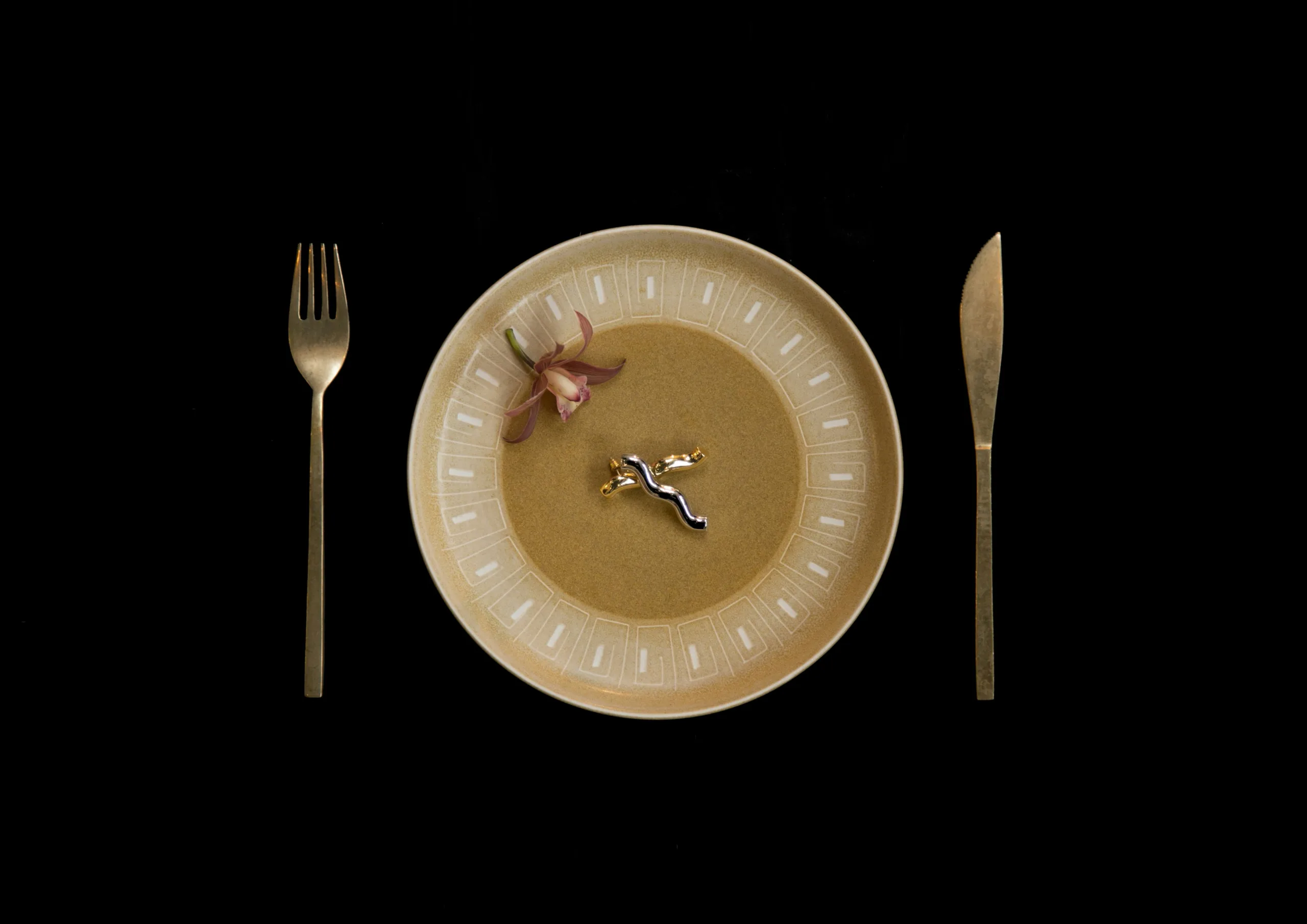
This is where attention to detail truly shines. Expect crisp, high-quality linens, often several layers deep. The cutlery isn’t just silverware; it’s often specially designed, heavy in the hand, and polished to a gleam. Crystal glassware for water and wine, exquisite china – sometimes bespoke for the restaurant – all contribute to the luxurious feel. Each piece is placed with precision, hinting at the courses to come.
The Service: An Invisible Ballet
Exceptional service is the backbone of fine dining. It’s an art form in itself, characterized by attentiveness without intrusiveness, anticipation of needs, and a deep knowledge of the menu and wine list.
Attentive and Knowledgeable Staff
Servers are often highly trained professionals, well-versed in etiquette, menu ingredients, wine pairings, and the restaurant’s philosophy. They should be able to answer questions about sourcing, preparation methods, and dietary restrictions with confidence and grace. They’re not just taking orders; they’re guiding your experience.
Seamless Execution
Dishes arrive and depart with a quiet efficiency. Plates are cleared discreetly, water glasses are refilled almost magically, and crumbs are whisked away without you even noticing. This seamless flow allows guests to focus entirely on their company and the food, without any jarring interruptions. It’s a well-rehearsed dance between the front-of-house staff and the kitchen.
Personalization
In truly exceptional establishments, staff may remember preferences from previous visits, offer off-menu suggestions tailored to your tastes, or even quietly celebrate a special occasion you mentioned when booking. This level of personalization elevates the experience from excellent to unforgettable.
The Culinary Journey: A Symphony of Flavors
The food, naturally, is central. But it’s not just about taste; it’s about innovation, artistry, and story-telling through ingredients. This is where chefs become artists and meals become masterpieces.
Innovative Menus and Techniques
Fine dining kitchens are often at the forefront of culinary innovation. Chefs experiment with new techniques, unexpected flavor combinations, and globally inspired ingredients. Molecular gastronomy, sous-vide, fermentation – these are just some of the tools in a fine dining chef’s arsenal.
Seasonal and Sourced Ingredients
A hallmark of high-end cuisine is a deep respect for ingredients. Restaurants often boast about their relationships with local farmers, their direct sourcing from sustainable fisheries, or their special imports of rare spices and produce. Menus frequently change with the seasons, ensuring peak freshness and flavor. You’re likely to encounter explanations of where ingredients come from, adding to the storytelling aspect.
Artful Presentation
Every dish is a work of art. Colors, textures, and shapes are meticulously arranged on the plate. It’s about visual appeal as much as taste. Chefs consider the ‘architecture’ of a dish, ensuring it’s not only delicious but also beautiful and intriguing to look at. Garnishes aren’t just for show; they often add a final nuanced flavor or texture directly related to the dish.
Degustation Menus
Often, the best way to experience a chef’s full vision is through a tasting or “degustation” menu. These multi-course meals, sometimes stretching to 10 or even 20 small plates, are carefully designed to take you on a journey of flavors, textures, and temperatures, building to a crescendo. Each course is a miniature exploration, telling part of a larger culinary narrative. This allows the chef to showcase a wide range of skills and seasonal offerings.
The Beverage Program: Perfect Pairings
Beyond the food, the drink selection in fine dining is equally comprehensive and carefully considered. It’s designed to complement and enhance the culinary experience.
Extensive Wine Lists
Expect a sommelier (a wine expert) to guide you through an often encyclopedic wine list. These lists feature selections from renowned vineyards, rare vintages, and a wide range of global regions. The sommelier can recommend perfect pairings for each course, considering your preferences and budget. They’re not just serving wine; they’re enriching the meal.
Craft Cocktails and Spirits
Many fine dining establishments offer sophisticated cocktail programs with expertly crafted drinks featuring house-made syrups, infusions, and often premium, rare spirits. The artistry extends to the bar, with mixologists creating balanced and innovative concoctions that can start or end a meal beautifully.
Non-Alcoholic Options
Reflecting a growing demand, top restaurants are also investing in creative non-alcoholic beverage programs. Think expertly blended mocktails, artisanal teas, house-made sodas, and even sophisticated non-alcoholic wine or spirit alternatives, ensuring all guests can enjoy a curated pairing experience.
The Price of Admission: Understanding the Value
Fine dining is not cheap. It’s a luxury good, and its price reflects the meticulous effort, high-quality ingredients, specialized labor, and overall investment in creating an unparalleled experience.
The Cost of Quality
The premium ingredients, many of which are flown in from around the world or sourced from exclusive local producers, contribute significantly to the cost. Think foie gras, truffles, caviar, wagyu beef, or rare seafood. These aren’t your everyday supermarket items.
The Investment in Talent
From the world-renowned chef to the highly trained front-of-house staff, and the army of kitchen workers, you’re paying for expertise. These are highly skilled individuals who have often dedicated years to mastering their craft. Their knowledge, precision, and artistry are valuable assets.
Operational Overheads
Running a fine dining establishment involves significant costs beyond just food and labor. This includes rent in prime locations, exquisite decor, bespoke tableware, linen and laundry services, sophisticated kitchen equipment, meticulous cleaning, and extensive marketing. Every detail comes with a price tag.


The Social and Cultural Significance: Beyond the Plate
Fine dining isn’t just a personal indulgence; it plays a role in social interactions, cultural exploration, and even business.
Special Occasions and Celebrations
It’s where significant life events are celebrated: anniversaries, birthdays, engagements, promotions. The grandeur and special nature of the experience make it a fitting backdrop for these cherished moments. It adds a layer of formality and importance to the celebration.
Business and Networking
Power lunches and dinners are a staple in the business world. A high-end restaurant provides a sophisticated, discreet, and impressive environment for forging deals, entertaining clients, and building professional relationships. The impeccable service ensures conversations flow smoothly without interruption.
Cultural Exploration and Global Trends
Fine dining restaurants often serve as culinary ambassadors, showcasing the best of a particular regional cuisine or pushing the boundaries of global culinary trends. Dining at such establishments can be an educational experience, offering insights into food history, preparation techniques, and cultural perspectives. Chefs frequently travel, bringing back inspiration and new ingredients from around the world.
Status and Connoisseurship
For some, engaging in fine dining is a marker of status, an appreciation for the finer things in life. It signifies a certain level of connoisseurship, an ability to discern and appreciate the nuances of high-level gastronomic artistry. It becomes a hobby, a passion, and a topic of conversation among those who share similar tastes.
Planning Your Fine Dining Experience: A Practical Approach
Because it’s an investment, a little planning goes a long way to ensure your fine dining experience is everything you hope for.
Research and Reservations
Don’t just walk in. Fine dining restaurants, especially Michelin-starred ones, often require reservations weeks, if not months, in advance. Research the menu, read reviews (but take them with a grain of salt), and pay attention to dress codes and any special policies. Many restaurants have specific cancellation policies, so be aware of those.
Dress Code
Most fine dining establishments have a dress code, ranging from “smart casual” to “jacket required.” Respecting this helps maintain the ambiance and shows consideration for others dining. When in doubt, err on the side of being slightly overdressed; it’s better to be elegant than underdressed.
Dietary Considerations
If you have allergies or dietary restrictions, communicate these clearly when making your reservation and again with your server. High-end kitchens are generally excellent at accommodating, but advance notice allows them to prepare and offer suitable alternatives or modifications without compromising the dish.
Embrace the Experience
Finally, relax and allow yourself to be immersed. Put your phone away (unless taking a discreet photo of a particularly stunning dish), engage with your dining companions, and savor each course. Let the staff guide you, and trust the chef’s vision. Fine dining is about disconnecting from the everyday and fully engaging with the moment. It’s an indulgence, an escape, and ultimately, a journey for the senses.