Why Reviews Alone Are Not Enough for Premium Restaurants
May 31, 2026

Ever found yourself staring at a glowing five-star review for a high-end restaurant, only to walk away feeling a little… underwhelmed? You’re not alone. While reviews are undoubtedly helpful, especially for discovering new places, relying solely on them for premium dining can be a bit like judging a book by its cover. For restaurants where you’re expecting an experience, not just a meal, reviews alone often fall short of capturing the full picture.
The star system, whether it’s five stars or ten points, is a great shorthand, but it struggles to convey nuance, especially in the premium dining world.
What Does Five Stars Really Mean?
When someone gives a restaurant five stars, are they grading it against all other restaurants, or just those in its price bracket? Is it a five-star casual diner, or a five-star Michelin-level experience? The context is often missing. A fantastic burger joint might get five stars for delivering incredible value and taste within its niche, but that doesn’t mean it offers the same “five-star experience” as a multi-course tasting menu establishment with a sommelier and bespoke service. The qualitative difference between a five-star ramen joint and a five-star fine dining establishment is vast, yet the numerical rating can be identical. This can lead to skewed expectations.
The Problem of Incomparables
Premium restaurants don’t operate on the same playing field as your local bistro. They are often pushing boundaries, experimenting with flavors, and creating a sensory journey. How do you numerically compare a minimalist Nordic tasting menu with a rich, classical French establishment? Both could be stellar in their own right, but their aims and execution are fundamentally different. A five-star rating struggles to acknowledge this divergence in culinary philosophy and style, treating vastly different experiences as if they can be condensed into a single, universal metric.
Beyond the Food: The Experiential Factor
Dining at a premium restaurant is rarely just about what’s on the plate. It’s an immersive experience, and many aspects of that experience are difficult to distill into a written review.
Atmosphere and Ambiance: More Than Just Decor
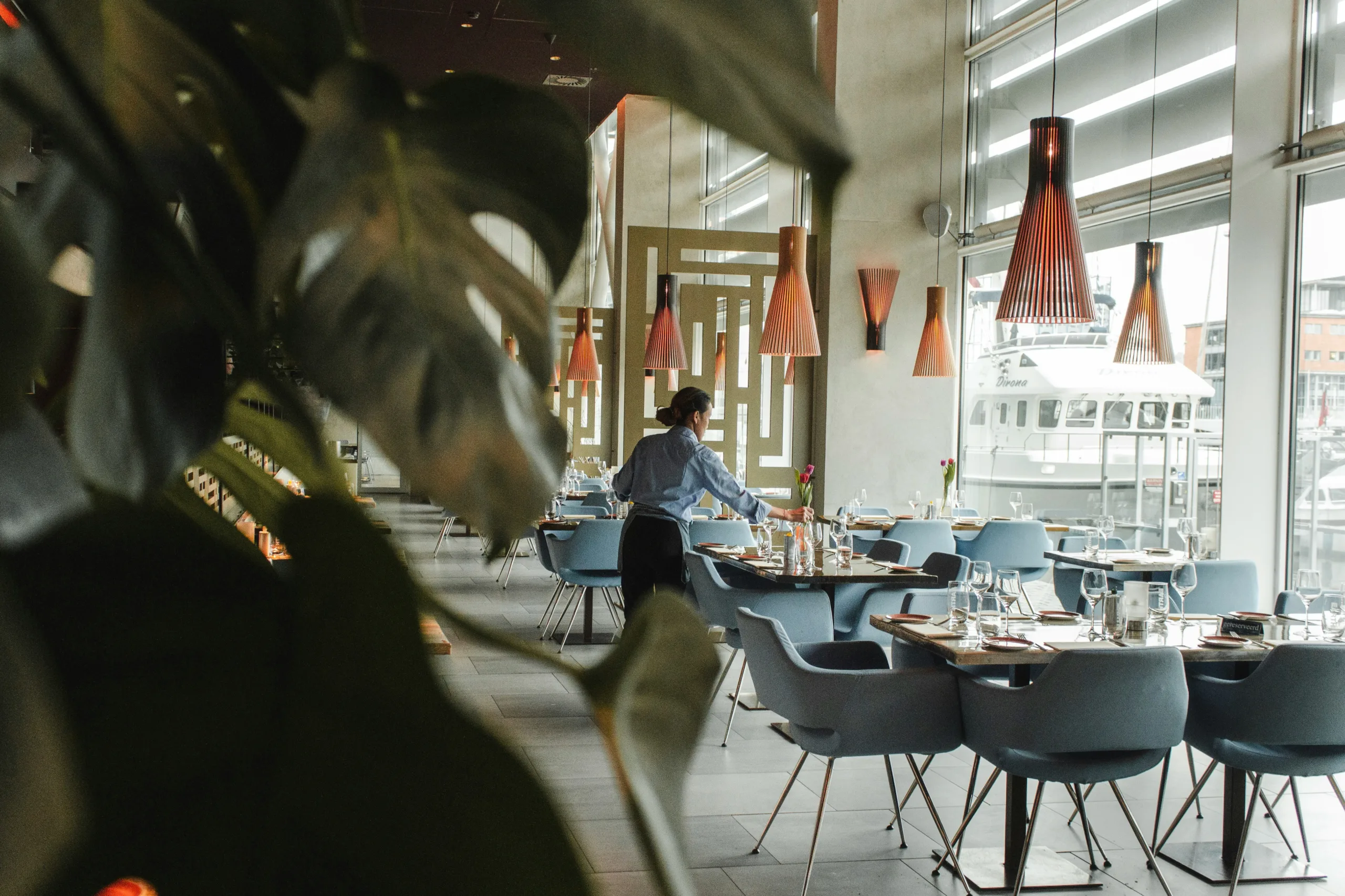
A photo might show a beautifully designed dining room, but it can’t convey the hushed reverence, the buzz of conversation, the specific lighting, or the perfectly curated background music. Does the lighting change throughout the evening? Is the temperature comfortable? These subtle elements contribute significantly to the overall feeling of a place. Have you ever been to a restaurant that looked stunning in pictures but felt cold and uninviting in person? Or one that seemed simple online but radiated warmth and sophistication when you entered? This is the power of ambiance, which a review can only hint at, never fully capture. It’s an intangible quality that forms a significant part of the premium dining experience.
Service: The Invisible Hand
Exceptional service at a premium restaurant is more than just polite. It’s anticipatory, knowledgeable, and discreet. It’s the server who seamlessly refills your water glass without interruption, the sommelier who intuitively understands your wine preferences, or the host who remembers your dietary restrictions from a previous visit. Reviewers might mention “good service,” but how do you quantify seamless choreography, the warmth of genuine hospitality, or the ability of staff to make you feel like the most important person in the room without being intrusive? This level of service is a craft, a performance that elevates the entire meal from mere sustenance to an event.
The “Feeling” of the Place
This is perhaps the hardest thing to articulate. Does the restaurant feel stuffy and pretentious, or welcoming and effortlessly elegant? Does it inspire romance, intellectual curiosity, or a sense of joyous celebration? These are deeply personal perceptions. One person’s “intimate” might be another’s “cramped,” or one person’s “lively” could be another’s “noisy.” A review can give you adjectives, but it can’t transmit the emotional resonance of being in that space, which is a crucial component of a premium dining experience.
The Subjectivity of Taste and Preference
What one person loves, another might find unremarkable. This is especially true at the higher echelons of dining.
Acquired Tastes and Culinary Adventures
Premium restaurants often feature ingredients, techniques, and flavor combinations that aren’t mainstream. A common complaint might be “the portions were too small” or “the flavors were strange.” For a diner seeking a traditional, hearty meal, these are valid criticisms. However, for a diner seeking culinary innovation and a unique journey for their palate, these “criticisms” might be precisely why they chose the restaurant. Reviews often don’t differentiate between someone who genuinely dislikes innovative cuisine and someone who simply didn’t understand it. This makes it difficult to gauge if a negative review stems from a legitimate flaw or just a mismatch in culinary philosophy.
Personal Expectations and Budget Bias
Someone spending a significant amount of money on a meal naturally has higher expectations. A slightly off dish that would be forgivable at a casual eatery becomes a major disappointment at a premium restaurant. Conversely, for someone unaccustomed to fine dining prices, any dish might feel overpriced, regardless of its quality. Reviewers’ personal budgets and prior dining experiences significantly color their perceptions, making it difficult to extract objective value from their feedback.


The “One-Off” Phenomenon and Review Lag
Reviews are snapshots in time, and restaurants, especially high-performing ones, are dynamic entities.
Consistency is Key, But Hard to Track
Even the best kitchens can have an off night. A reviewer might catch a restaurant on its best day, or its worst. One stellar review doesn’t guarantee consistency, just as one negative review doesn’t condemn an otherwise excellent establishment. For premium restaurants, where every detail matters, a single lapse in execution or service can drastically alter a diner’s perception, and that perception then gets immortalized in a review. But is that a true reflection of the restaurant’s average performance? Unlikely.
Evolution and Stale Information
Restaurants evolve. Menus change seasonally, chefs move on, decor gets updated, and service teams are trained. A review from six months ago might describe a completely different experience than what’s offered today. Positive aspects might have disappeared, or previous flaws might have been corrected. Relying on outdated information can lead to disappointment or missing out on a greatly improved establishment. The more time passes, the less relevant a review becomes, especially in the fast-paced world of premium dining where innovation and adaptation are constant.
Why Reviews Do Matter (But Aren’t Everything)
Despite their limitations, reviews still play a vital role. They just shouldn’t be the final word.
Setting a Baseline and Identifying Red Flags
Reviews are excellent for quickly eliminating places with consistent, glaring issues (e.g., “everybody says the service is terrible” or “the food is consistently underseasoned”). They can also confirm a general level of quality and professionalism. If a restaurant has overwhelmingly negative reviews regarding hygiene or a rude staff, it’s a pretty good indicator to steer clear. They help you filter out obvious duds and ensure you’re not walking into a truly disastrous experience.
Gathering Practical Intel
Reviews can provide invaluable logistical details: parking availability, dress code suggestions, whether reservations are truly essential, or hints about signature dishes. They might mention “the bread basket is a must-try” or “don’t miss the soufflé.” This practical information helps manage expectations and plan your visit more effectively, ensuring you’re prepared for the specifics of the dining experience.
Hints at Special Features
Sometimes, reviewers highlight unique aspects that might not be obvious from the restaurant’s website: a secret garden, a fantastic view from a particular table, or an exceptionally engaging sommelier. These little nuggets of information can enhance your decision-making and even inform your reservation requests. They add layers of detail that official descriptions often omit.
Informed Decision Making: A Holistic Approach
Ultimately, choosing a premium restaurant requires a more holistic approach than just scanning star ratings. Think of reviews as one piece of a larger puzzle. What else should you consider?
- Professional Critic Reviews: Established food critics often have a more experienced palate, a wider frame of reference, and the ability to articulate nuances that amateur reviewers might miss. They also typically revisit restaurants, offering a more balanced long-term perspective.
- Restaurant Websites and Social Media: Look at the restaurant’s own presentation. Do the photos of the food appeal to you? Does the menu excite you? Does their “about us” section resonate with your personal dining philosophy? A well-maintained social media presence can also give you a feel for their current offerings and atmosphere.
- Word-of-Mouth from Trusted Sources: Recommendations from friends whose tastes you align with are often far more valuable than a stranger’s review. They understand your preferences and can contextualize their experience for you.
- Your Own Preferences: Be honest about what you’re looking for. Are you seeking innovation, comfort, a specific cuisine, a romantic setting, or a lively atmosphere? Filtering options by your desired experience will narrow down choices more effectively than just by star rating.
- Vibe Check: If possible, walk by the restaurant. Peek in. Does the exterior presence align with what you envision? Sometimes a quick glance can tell you a lot about the formality, energy, and overall atmosphere.
In conclusion, while reviews are a useful starting point, for truly premium dining, they are merely guideposts, not the definitive map. The best way to understand a high-end restaurant is to experience it yourself, armed with a wider range of information and a clear understanding of what you personally seek from a memorable meal. Don’t let a number dictate your entire dining journey; allow it to open doors, but step through them with an open mind and all your senses ready to engage.