Luxury Hotel Restaurants as Destination Content
May 31, 2026

Thinking about why luxury hotel restaurants are becoming destinations in themselves? It boils down to this: they’re no longer just convenient places to eat for guests. These restaurants are often culinary powerhouses, offering unique experiences, top-tier food, and a distinct atmosphere that draws in locals and tourists alike, regardless of whether they’re staying at the hotel. It’s about much more than just a meal; it’s about an event.
Luxury hotels have always prided themselves on offering a full-service experience, and dining has been a cornerstone of that. But in the past, hotel restaurants often had a reputation for being a bit… safe. Predictable, even. Think beige decor and a slightly overpriced club sandwich. That’s rapidly changing.
Today’s luxury hotel restaurants are shedding that image entirely. They’re investing heavily in creating distinct identities that stand alone, often overshadowing the hotel itself in culinary circles. This shift is driven by a confluence of factors, from the rise of food tourism to the increasing sophistication of diners. It’s about creating a memorable experience that justifies a special journey, not just a convenient option for tired travelers.
The Rise of the Celebrity Chef
One of the biggest game-changers has been the integration of celebrity chefs into hotel dining. These are not just consultants; often, they are leading the charge, bringing their renowned culinary vision and loyal following with them.
- Signature Concepts: Chefs like Gordon Ramsay or Alain Ducasse don’t just put their name on a menu; they develop a fully fledged concept that reflects their brand and culinary philosophy. This often involves unique ingredients, innovative techniques, and a specific ambiance.
- Elevated Standards: The presence of a high-profile chef naturally raises the bar for the entire operation, from ingredient sourcing to service protocols. This commitment to excellence resonates with discerning diners.
- Marketing Power: A famous chef’s name is a powerful marketing tool, instantly giving a restaurant credibility and drawing significant media attention. It creates buzz and anticipation, turning a simple meal into an event.
Design and Ambiance: More Than Just a Dining Room
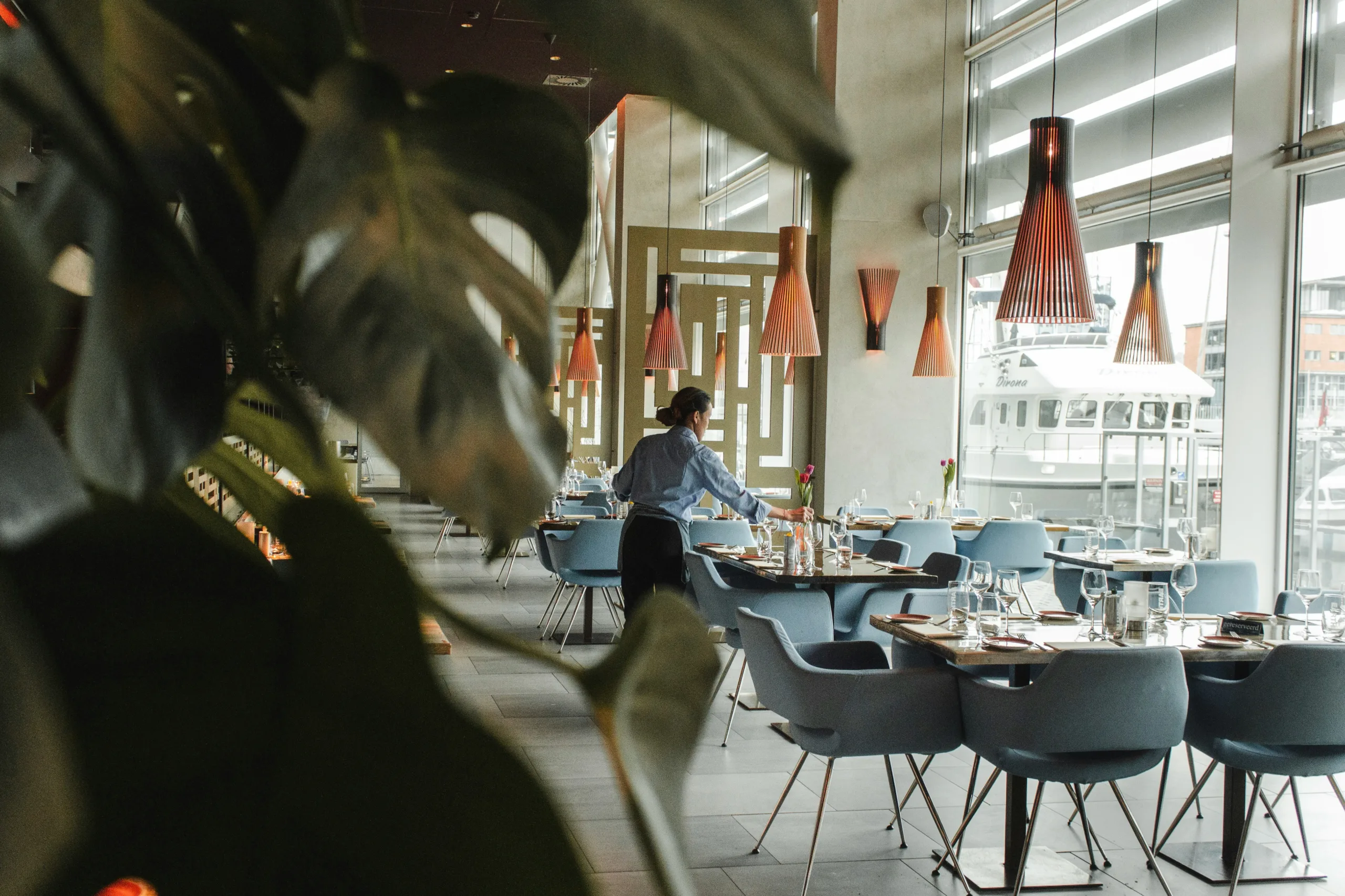
Hotel restaurants used to be functional spaces. Now, they’re meticulously crafted environments designed to enhance the dining experience, often becoming as much of a draw as the food itself.
- Storytelling Through Design: Many restaurants now tell a story through their design, whether it’s reflecting local culture, a particular historical period, or a unique artistic vision. This creates an immersive experience that goes beyond mere aesthetics.
- Atmospheric Lighting and Music: These elements are carefully curated to set the mood, from intimate and romantic to vibrant and energetic. It’s about creating a complete sensory journey.
- Unique Views and Locations: Restaurants on rooftops with panoramic cityscapes, tucked away in lush gardens, or boasting oceanfront vistas naturally become destinations. The setting itself becomes a key part of the appeal.
Culinary Innovation: Pushing Boundaries and Palates
The kitchen is where the magic truly happens, and luxury hotel restaurants are at the forefront of culinary innovation, often setting trends rather than following them.
Local Sourcing and Hyper-Seasonality
There’s a strong emphasis on showcasing regional ingredients and what’s freshest at any given moment. This isn’t just a trend; it’s a commitment to quality and supporting local producers.
- Farm-to-Table Philisophy: Many establishments work directly with local farmers, fishermen, and artisans, ensuring the highest quality ingredients and a connection to the origin of the food. This transparency appeals to knowledgeable diners.
- Ever-Evolving Menus: Menus change frequently, sometimes daily, based on what’s available and at its peak. This keeps the dining experience fresh and exciting, encouraging repeat visits.
- Showcasing Regional Cuisine: Beyond just local ingredients, many hotel restaurants are dedicated to elevating and refining traditional regional dishes, offering an authentic taste of the destination.
Experiential Dining: Beyond the Plate
Eating is no longer just about nourishment; it’s about an experience. Luxury hotel restaurants are tapping into this desire for something extraordinary.
- Chef’s Tables and Kitchen Tours: Offering diners a glimpse behind the scenes, allowing them to interact with the chefs and witness the creative process up close, creates a memorable, personalized experience.
- Themed Dinners and Pop-ups: Special events, collaborations with guest chefs, or themed evenings add an element of novelty and exclusivity, drawing in both regulars and new customers.
- Molecular Gastronomy and Avant-Garde Techniques: While not for every restaurant, some establishments are pushing the boundaries of cooking, creating dishes that are visually stunning and intellectually stimulating, offering an element of surprise.
Marketing and Accessibility: Reaching Beyond Hotel Guests
A significant part of becoming a destination means actively marketing to, and catering for, a wider audience than just hotel patrons.
Targeted Marketing Strategies
Hotels are investing heavily in specific marketing campaigns for their restaurants, often distinct from the main hotel marketing.
- Social Media Storytelling: High-quality food photography, behind-the-scenes glimpses, and engaging content are crucial for attracting today’s visually-driven audience. Instagram, in particular, is a powerful tool.
- Food Critic and Influencer Engagement: Securing positive reviews from respected food critics and collaborations with culinary influencers can significantly boost a restaurant’s reputation and reach.
- Dedicated Websites and Booking Systems: Many hotel restaurants now have their own independent websites and online booking platforms, making it easy for non-guests to discover and reserve a table.
Independent Identity and Branding
The most successful hotel restaurants often develop a brand identity that stands on its own, sometimes even downplaying its hotel affiliation.
- Distinct Naming Conventions: Moving away from generic “Hotel Restaurant” titles towards unique names that evoke a sense of place, cuisine style, or culinary concept.
- Separate Entrances and Signage: Often, these restaurants have their own street-level entrances, making them feel less like an adjunct to the hotel and more like an independent establishment.
- Unique Brand Voice: The tone of voice, visual identity, and messaging for the restaurant are carefully crafted to appeal to its target culinary audience, which may differ from the hotel’s general demographic.


The Economic Impact: A Win-Win for Hotels and Diners
This evolution of hotel restaurants isn’t just about culinary prestige; it makes excellent business sense for the hotels themselves.
Driving Revenue and Occupancy
Outstanding restaurants contribute directly and indirectly to the hotel’s bottom line.
- Increased Foot Traffic: A popular restaurant brings in non-guests who might then be introduced to the hotel’s other amenities, potentially leading to future bookings for rooms, spa treatments, or events.
- Enhanced Hotel Reputation: A critically acclaimed restaurant elevates the hotel’s overall prestige, attracting a higher caliber of guest and allowing for premium pricing across the board.
- An Amenity that Sells Rooms: For many travelers, especially those planning a special trip, the dining options are now a significant factor in choosing a hotel. A Michelin-starred restaurant can be a major selling point.
Beyond the Plate: Other Offerings
Many luxury hotel restaurants are expanding their offerings to further engage with diners and create multiple revenue streams.
- Cooking Classes and Workshops: Offering hands-on experiences led by their acclaimed chefs provides an educational and engaging activity, appealing to food enthusiasts.
- Curated Wine and Spirit Experiences: Special tasting menus, sommelier-led workshops, and exclusive access to rare bottles can be a significant draw for connoisseurs.
- Retail Opportunities: Branded merchandise, specialty food products, or even recipe books from the restaurant can help extend the brand beyond the dining room.
The Future of Hotel Dining: An Evolving Landscape
The trend of luxury hotel restaurants as destination content shows no signs of slowing down. As diners become more sophisticated and discerning, the pressure on these establishments to innovate and impress will only increase.
Sustainability and Ethical Practices
Diners are increasingly conscious of where their food comes from and the environmental impact of their choices.
- Reduced Food Waste Initiatives: Implementing rigorous waste reduction programs, from composting to creative repurposing of ingredients, is becoming a standard.
- Sustainable Sourcing Policies: Commitment to sourcing ingredients from suppliers who adhere to ethical labor practices and environmentally friendly methods.
- Transparent Communication: Clearly communicating these efforts to diners builds trust and appeals to those who prioritize conscious consumption.
Embracing Technology for Enhanced Service
Technology isn’t just for booking; it’s integrating into the dining experience itself.
- Personalized Guest Recognition Systems: Utilizing data to remember guest preferences, allergies, and past orders to provide a highly personalized and seamless service.
- Interactive Menus and Digital Wine Lists: Tablets with detailed descriptions, pairing suggestions, and high-quality visuals can enhance the ordering process.
- Online Reservations and Loyalty Programs: Robust online systems make booking easy and reward frequent diners, encouraging repeat business.
In conclusion, the transformation of luxury hotel restaurants into standalone culinary destinations is a testament to shrewd business strategy, culinary artistry, and a deep understanding of modern diner expectations. They’ve evolved from mere conveniences to vibrant, critically acclaimed epicenters of gastronomy, drawing guests from all corners and solidifying their place in the upper echelons of the global dining scene. It’s a journey that continually redefines what it means to dine well, regardless of whether you’re checking in or just dropping by for a reservation.