How to Position a Restaurant for Affluent Local Audiences
May 31, 2026

Getting Your Restaurant Noticed by the Locals Who Can Spend
So, you’ve got a great restaurant, the food’s top-notch, the atmosphere’s on point, and now you’re wondering how to get the attention of the folks in your neighborhood who have a little more disposable income. It’s not about flashy billboards way out of town; it’s about connecting with the discerning locals who appreciate quality and are willing to pay for it. The good news is, it’s very doable with a smart, focused approach. We’ll break down how to make your restaurant a go-to spot for affluent locals, right here in your community.
Before you can attract them, it’s crucial to get a handle on who these affluent local diners actually are. They’re not a monolithic group, and their preferences can vary quite a bit, but there are some common threads that run through them when it comes to choosing where to dine. Think about what makes them tick, what they value, and what kind of experience they’re seeking beyond just a meal.
Who Are They, Really?
This isn’t about profiling in a negative way, but about understanding demographics and psychographics. Are they young professionals climbing the corporate ladder? Established families with grown children? Retirees who have built up their wealth and enjoy the finer things? Each of these subsets might have slightly different motivations and expectations.
The Young Professionals: Always On, Always Seeking Value
These individuals are often busy, tech-savvy, and appreciate efficiency and a certain “buzz” about a place. They might look for restaurants that offer a curated experience, good for business lunches, after-work drinks, or a nice weekend brunch. Value for them often means quality and consistency, not necessarily the cheapest option.
The Established Families: Comfort, Quality, and Occasion
For families with more established means, dining out can be about creating memories, celebrating milestones, or simply enjoying a well-deserved break from cooking. They’ll often prioritize excellent service, a welcoming ambiance that suits different ages (if applicable), and food that reliably impresses.
The Sophisticated Retirees: Leisure, Conversation, and Refined Tastes
This group often has more time and a developed palate. They seek comfortable environments where they can linger, enjoy good conversation, and savor well-executed dishes. They appreciate attention to detail, knowledgeable staff, and a sense of established quality.
What Drives Their Dining Decisions?
Once you have a general idea of who you’re trying to reach, consider what truly influences their choices. It’s rarely just about the price tag.
Beyond the “Cheap Eats” Mentality: Premium Value
Affluent diners are typically not looking for bargains. They’re looking for value. This means getting a high-quality experience that justifies the price. This encompasses the food itself, the service, the atmosphere, and the overall feeling they get from dining at your establishment.
The Importance of Experience and Ambiance
For this demographic, the dining experience is paramount. It’s not just about the food on the plate; it’s about the entire sensory journey. This includes the decor, the lighting, the music, the comfort of the seating, and the overall mood of the restaurant. They often seek a place where they can feel relaxed, sophisticated, and well-cared for.
Social Proof and Reputation: What Are Others Saying?
These diners are often plugged into what’s happening in their local circles. They listen to recommendations from friends, read reviews from trusted sources, and pay attention to the restaurant’s reputation within the community. Word-of-mouth is incredibly powerful, and their online presence often speaks volumes.
Crafting an Irresistible Menu and Offering
Your menu isn’t just a list of dishes; it’s a statement of your restaurant’s identity and a primary driver of your appeal to any audience, especially those who expect a higher caliber. For affluent locals, this means going beyond the basics and offering something truly special.
High-Quality Ingredients Are Non-Negotiable
This is fundamental. Affluent diners can usually discern the difference between fresh, seasonal, and premium ingredients versus something less so. Investing in the best possible produce, meats, seafood, and artisanal products will pay dividends.
Sourcing with Integrity and Story
Where your ingredients come from can be a selling point in itself. Highlighting local farms, sustainable fisheries, or artisanal producers adds a layer of authenticity and appeals to a desire for conscious consumption. This story can be woven into your menu descriptions or staff training.
Developing a Distinctive Culinary Identity
What makes your food unique? This isn’t about being overly avant-garde unless that’s your specific niche, but about offering a cohesive and well-executed culinary vision.
Signature Dishes That Impress
Every restaurant should have a few “wow” dishes that become talking points. These are the items that regulars rave about and new guests seek out. They should be memorable, delicious, and reflect your restaurant’s core strengths.
Seasonal Specials and Tasting Menus
Keeping things fresh and exciting with evolving seasonal specials caters to diners who visit often and are looking for new experiences. Tasting menus can also be a great way to showcase your chef’s creativity and offer a curated, luxurious dining event.
Beyond the Food: The Beverage Program
A sophisticated beverage program can significantly elevate the perceived value of your restaurant. This isn’t just about wine; it extends to craft cocktails, artisanal beers, and thoughtfully curated non-alcoholic options.
The Art of the Wine List
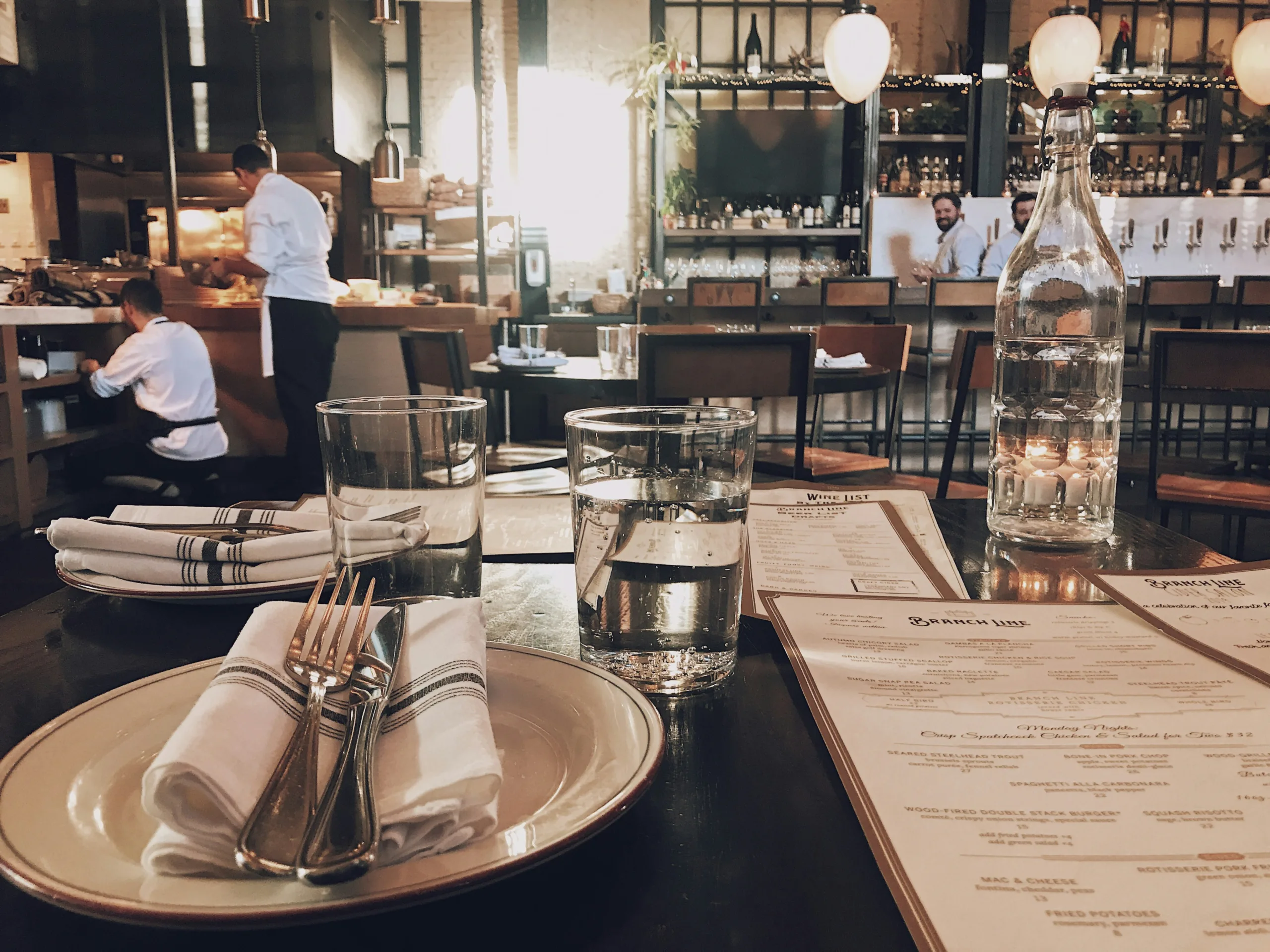
A well-curated wine list that complements your food and offers a range of price points is essential. Include a mix of well-known labels and perhaps some rarer finds. Knowledgeable staff who can guide diners through the selection are a huge asset.
Craft Cocktails and Premium Spirits
For many affluent diners, a well-made cocktail is part of the experience. Focus on classic cocktails executed perfectly, as well as some creative house specialties. The quality of your spirits and the skill of your bartenders matter.
Creating an Atmosphere That Resonates
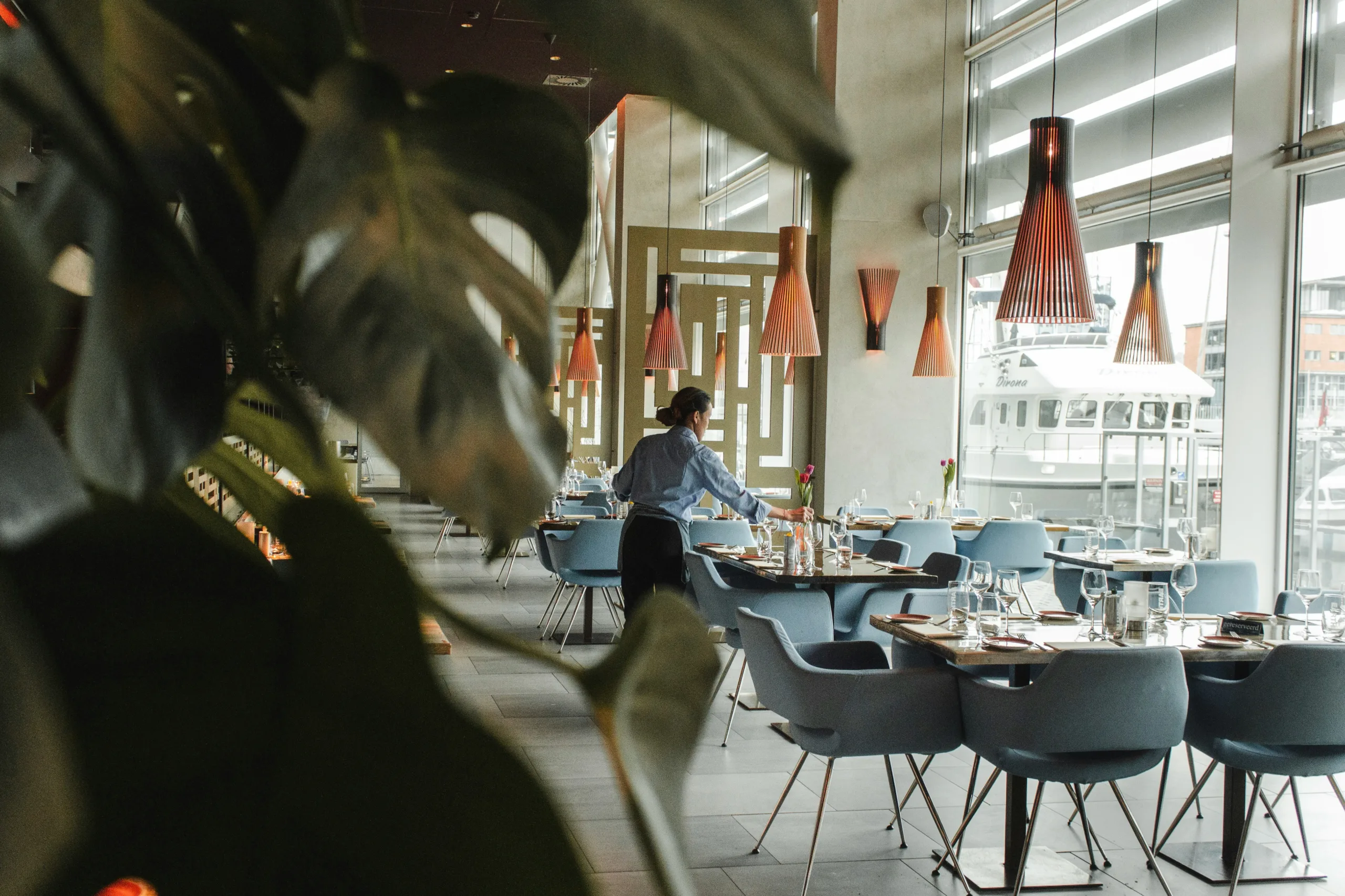
The physical space of your restaurant plays a massive role in attracting and retaining affluent local patrons. It’s about creating an environment that feels special, comfortable, and reflective of their lifestyle. This goes beyond just having nice furniture.
The Importance of Design and Decor
Think about the overall aesthetic. Is it modern and minimalist? Warm and intimate? Classic and elegant? The design should be cohesive and convey a sense of quality and attention to detail.
Thoughtful Lighting and Sound
Lighting is crucial for setting the mood. Soft, ambient lighting can create intimacy, while brighter task lighting might be needed in specific areas. The background music should be appropriate for the desired atmosphere – never intrusive, and at a volume that allows for conversation.
Comfortable and Stylish Seating
Comfort is key. High-quality seating that is both stylish and ergonomic makes a significant difference to the dining experience, encouraging guests to relax and stay longer.
Impeccable Service: The Unseen Ingredient
Service is where many restaurants miss the mark with this audience. It’s not just about being polite; it’s about anticipating needs, being knowledgeable, and creating a seamless, personalized experience.
Staff Training: Knowledgeable and Attentive
Your servers are your frontline ambassadors. They need to be not only friendly but also knowledgeable about the menu, ingredients, wine pairings, and any dietary restrictions. They should be trained to read the table and anticipate needs without being overbearing.
The Power of Personalization
Remembering a regular’s preferred drink or noticing a special occasion can make a world of difference. Small gestures of personalization create loyalty and make diners feel genuinely valued.
Cleanliness and Maintenance: The Unspoken Expectation
This might seem obvious, but a restaurant that appears spotlessly clean, from the dining room to the restrooms, signals professionalism and care. Regular maintenance of fixtures, furniture, and the overall space also contributes to a polished image.


Strategic Marketing and Community Engagement
Reaching affluent local audiences requires a more nuanced approach than broad-stroke advertising. You need to be present where they are, both online and offline, and speak their language.
Digital Presence: More Than Just a Website
Your online presence is often the first impression you make. It needs to be sophisticated, informative, and visually appealing.
A Professional, Mobile-Friendly Website
Your website should be a destination in itself. High-quality photos of your food and interior, an easily navigable menu, clear contact information, and online reservation capabilities are essential. Ensure it looks great and functions perfectly on all devices, especially mobile.
Social Media as a Curated Showcase
Focus on platforms where your target audience spends their time, like Instagram. Showcase beautiful food photography, highlight seasonal dishes, and share glimpses of your ambiance. Engage with followers and respond to comments promptly and thoughtfully.
Online Reviews: Managing Your Reputation
Encourage satisfied customers to leave reviews on platforms like Google, Yelp, and TripAdvisor. Monitor these platforms regularly and respond professionally to both positive and negative feedback. Addressing concerns publicly and constructively can demonstrate your commitment to customer satisfaction.
Local Partnerships and Community Involvement
Becoming a part of the local fabric is key to tapping into the affluent community.
Collaborating with Local Businesses
Partnering with complementary luxury businesses in your area – perhaps a high-end boutique, a local art gallery, or a premium spa – can expose your restaurant to a like-minded audience through cross-promotions or joint events.
Sponsoring Local Events and Charities
Aligning your restaurant with reputable local events, fundraisers, or philanthropic causes demonstrates your commitment to the community and can associate your brand with positive values and a discerning clientele. Be selective about which events you support to ensure brand alignment.
Targeted Advertising and Public Relations
When you do advertise, make sure it’s precise.
Local Publications and Niche Media
Consider advertising in high-quality local magazines or newspapers that cater to a more affluent readership. Digital advertising that targets specific demographics and interests within your geographic area can also be effective.
Building Relationships with Local Influencers and Media
Invite local food critics, bloggers, or social media influencers who align with your brand to experience your restaurant. Positive reviews and features from trusted voices can significantly boost your credibility and reach within the target demographic.
Loyalty Programs and Building Lasting Relationships
Once you’ve attracted affluent local diners, the goal is to keep them coming back. This is where building genuine loyalty becomes paramount. It’s about making them feel valued and creating a sense of belonging.
More Than Just Discounts: Experiential Rewards
Affluent diners are often less motivated by simple discounts and more by exclusive experiences and recognition.
Exclusive Events for Loyal Patrons
Consider hosting special events for your most frequent guests, such as wine dinners, chef’s tasting events, or even private parties. This makes them feel like insiders and reinforces their connection to your establishment.
Personalized Offers and Recognition
Acknowledge your regulars. Perhaps offer them a complimentary dessert on their birthday, or reserve their favorite table if possible. These small acts of recognition go a long way in fostering loyalty.
Gathering and Utilizing Feedback Effectively
Actively seeking feedback demonstrates that you value your customers’ opinions and are committed to continuous improvement.
Discreet Feedback Mechanisms
Beyond online reviews, consider discreet ways to gather feedback, such as comment cards or having a manager briefly chat with guests at the end of their meal. The key is to be unobtrusive and genuinely interested in their thoughts.
Acting on Feedback to Drive Improvement
The most crucial part is to actually act on the feedback you receive. If multiple guests mention a specific dish could be improved, or a service element is lacking, take it seriously. Communicating the changes you’ve made based on their input shows you’re listening and invested in their experience.
Creating a Sense of Community
Make your restaurant a place where locals feel they belong. This can be fostered through consistently excellent experiences, genuine hospitality, and by becoming a beloved part of the local dining scene. When people feel a connection, they become your best advocates.