The New Fine Dining Consumer: Experience, Story and Quality
May 31, 2026

So, you’re wondering what’s changed in the world of fine dining? It’s not just about the food anymore, is it? The whole deal has shifted, and it’s pretty interesting to see. Think of it this way: people are still after that special meal, that delicious experience, but what they value within that experience has evolved. Forget just stuffing your face with fancy ingredients; today’s big spenders are looking for something deeper – a story, a genuine connection to what they’re eating, and, of course, that undeniable quality that justifies the price tag.
In short, the “new fine dining consumer” is after a holistic experience that engages their senses, their intellect, and their values. It’s a sophisticated blend of exceptional food, compelling narratives, and an unwavering commitment to quality. Let’s dive into what that actually looks like on the ground.
Remember when fine dining was all about the ostentatious? The gold-leafed everything, the ridiculously rare ingredients flown in from God-knows-where, the waiters practically tiptoeing around your table? That was a certain era, a certain kind of aspiration. But that’s not really the primary driver for many diners today. The emphasis has moved from outward display to inward understanding and appreciation.
Authenticity Over Ostentation
People aren’t necessarily looking to be impressed by sheer extravagance anymore. They want to be convinced. They want to know that what’s on their plate has a point, a reason for being there. This means less focus on showing off wealth and more on showcasing craft and integrity.
- Ingredient Provenance: Diners want to know where their food comes from. Is it a local farm? Is it seasonal? Is it ethically sourced? This isn’t just a trend; it’s a fundamental expectation. A restaurant that can tell a genuine story about its salmon, its carrots, or its beef has a significant advantage.
- Culinary Intent: Dishes are no longer just beautiful arrangements of food. They’re meant to convey something. Chefs are increasingly acting as storytellers through their menus, prompting diners to think about the inspiration behind a dish, the techniques used, or the cultural context it represents.
The Rise of the “Conscious Connoisseur”
This is a big part of it. The fine dining consumer is increasingly educated and mindful. They’re not just passively consuming; they’re actively engaging with the choices presented to them.
- Ethical Considerations: Sustainability, fair labor practices, and animal welfare are no longer niche concerns. Diners are willing to pay a premium for establishments that demonstrate a strong commitment to these principles. A restaurant that can detail its waste reduction efforts or its partnerships with responsible suppliers resonates deeply.
- Health and Wellness (Subtly): While not a complete overhaul of indulgence, there’s a growing awareness of what’s being consumed. This doesn’t mean kale salads in a Michelin-starred setting, but rather lighter preparations, a focus on nutrient-dense ingredients, and an understanding of how food affects the body. It’s about feeling good about what you’re eating, not just experiencing pleasure.
Storytelling: The Secret Ingredient
Food is inherently tied to stories. It’s about history, culture, the people who grow it, and the hands that prepare it. Modern fine dining understands this and is actively weaving narratives into the dining experience.
Beyond the Menu Description
A menu used to be a list of ingredients and prices. Now, it’s a gateway. Restaurants are finding creative ways to share the “why” behind their offerings.
- The Chef’s Journey: Diners are curious about the chef’s background, their influences, and their culinary philosophy. This can be communicated through the menu, the restaurant’s website, or even brief anecdotes shared by the serving staff.
- Terroir on a Plate: The concept of “terroir” – how the environment shapes food – is gaining traction. Restaurants that highlight ingredients from a specific region, showcasing its unique characteristics, are telling a powerful story of place. Think of a dish that evokes the salty air of a coastal town or the earthy aroma of a forest floor.
- Heritage and Tradition: Many chefs are tapping into their heritage or the culinary traditions of a region. Reimagining classic dishes with a modern twist, or reviving forgotten techniques, can be incredibly compelling. This connects diners to a sense of history and cultural continuity.
Immersion and Connection
The goal is to make the diner feel more connected to their food and the restaurant’s vision. This isn’t just about eating; it’s about experiencing.
- Interactive Elements: Some restaurants are incorporating subtle interactive elements. This could be a palate cleanser presented in an unusual way, a final petit four that’s revealed with a flourish, or even a short video showcasing the farm that supplied an ingredient.
- Staff as Storytellers: The service staff are critical conduits for these narratives. They need to be knowledgeable and passionate, able to share the stories behind the dishes and ingredients without sounding rehearsed or overly formal. It’s a delicate balance between information and genuine enthusiasm.
Quality: The Uncompromising Foundation
Even with all the focus on experience and story, the fundamental expectation of exceptional quality remains. In fact, the demand for quality has arguably become more discerning.
Precision and Technique
This is where the technical prowess of the kitchen shines. It’s about mastering the basics and elevating them.
- Ingredient Integrity: Quality starts with sourcing the absolute best. This isn’t just about using expensive items, but about understanding the nuances of different varieties, ripeness, and seasonality. A perfectly ripe heirloom tomato, for example, might be the star of a dish.
- Masterful Execution: Even the simplest ingredients can be transformed with impeccable technique. This could be a perfect sear on a piece of fish, a delicate sauce, or a bread that has the ideal crust and crumb. The skill of the chef and their team is paramount.
- Balance and Harmony: A great dish isn’t just a collection of delicious components; it’s a harmonious blend of flavors, textures, and aromas. Achieving this balance requires a deep understanding of culinary principles.
Consistency and Refinement
Fine dining consumers expect that the quality they experience on one visit will be replicated on their next.
- The Power of the Repeat Visit: For those who frequent fine dining establishments, consistency is key. They know what to expect, and they trust that the restaurant will deliver. This builds loyalty and a deeper appreciation for the establishment.
- Understated Perfection: Sometimes, the highest form of quality is in its subtlety. It’s not about bombastic flavors, but about the quiet perfection of execution, the perfect temperature, the ideal seasoning. This is the kind of quality that requires a knowledgeable palate to fully appreciate.
- Beverage Pairings: Quality extends beyond the food. Thoughtful and well-executed beverage pairings – be it wine, craft cocktails, or even non-alcoholic options – are crucial for enhancing the overall dining experience and demonstrating a comprehensive commitment to quality.


The Demystification of Fine Dining
The perception of fine dining as an exclusive, almost intimidating realm is slowly dissolving. It’s becoming more accessible, not necessarily in price, but in spirit.
Breaking Down the Barriers
Restaurants are employing various strategies to make themselves feel more approachable.
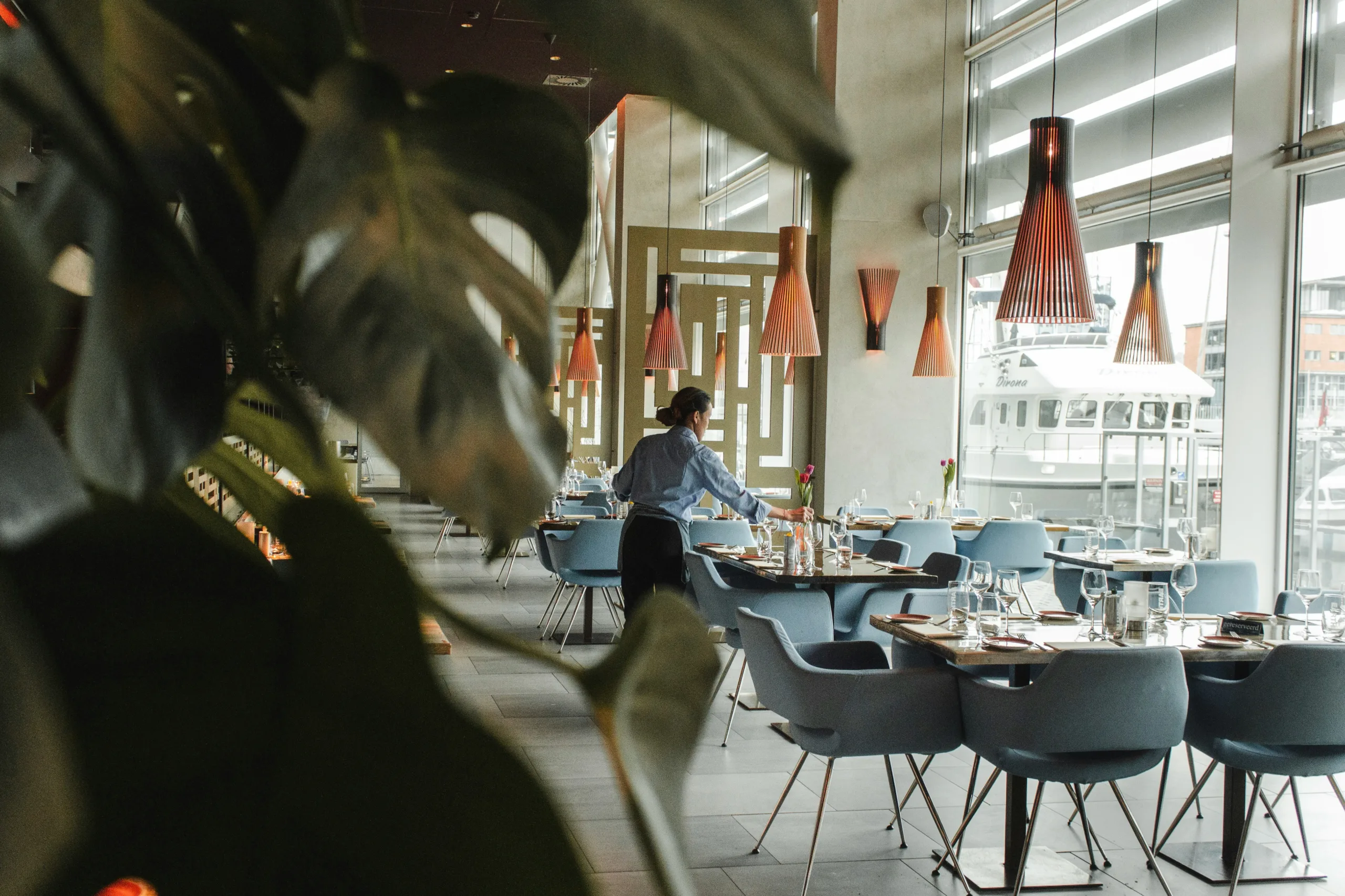
- Casual Elegance: Many establishments are opting for a more relaxed atmosphere. This might mean less formal service, a less stuffy decor, or a more welcoming attitude from staff. The goal is to create an environment where diners feel comfortable to truly enjoy themselves.
- Transparency in the Kitchen: Open kitchens or behind-the-scenes glimpses (through social media or even strategically placed windows) can demystify the culinary process. It shows the hard work and dedication involved, fostering a greater appreciation.
- Educated but Approachable Staff: Waitstaff are no longer just order-takers. They are often trained to engage with diners, answer questions about ingredients and techniques, and guide them through the menu. This educational aspect is appreciated, as long as it’s delivered in a friendly and non-patronizing way.
The Digital Influence
Social media and online reviews have played a significant role in shaping this shift.
- Visual Storytelling: High-quality food photography and videography on platforms like Instagram allow restaurants to showcase their dishes and their stories visually. This entices potential diners and sets expectations.
- Peer-to-Peer Endorsement: Online reviews, while sometimes fickle, provide a form of social proof. When diners share their positive experiences, detailing the story and the quality, it greatly influences others.
- Direct Engagement: Restaurants can use digital platforms to directly communicate with their audience, sharing updates, behind-the-scenes content, and even responding to questions. This fosters a sense of community and personal connection.
The Evolution of the “Experience”
The overarching theme is that fine dining is no longer just about a meal; it’s about an experience. And that experience is becoming more layered and meaningful.
Sensory Engagement
Beyond taste, all senses are engaged.
- Aroma and Sound: The aromas wafting from the kitchen, the subtle background music, even the clinking of cutlery – all contribute to the overall sensory tapestry.
- Visual Appeal: The plating of a dish is an art form. The colors, the textures, the composition – it’s all designed to be aesthetically pleasing before the first bite.
- Tactile Experience: The weight of the cutlery, the texture of the tablecloth, the feel of the glassware – these details contribute to the tactile dimension of the dining experience.
Emotional Connection
The most memorable fine dining experiences often leave diners with an emotional resonance.
- Moments of Delight: Surprises, unexpected flavor combinations, or a perfectly timed anecdote can create moments of genuine delight and surprise.
- Shared Memories: Fine dining is often associated with special occasions. The food and the setting become intertwined with the emotions of the celebration, creating lasting memories.
- A Sense of Discovery: For many, fine dining is an adventure. Trying new ingredients, exploring new flavor profiles, and learning about different culinary traditions is a form of discovery that’s highly rewarding.
Ultimately, the new fine dining consumer isn’t necessarily looking for more food, or even more expensive food. They’re looking for more meaning. They want to be nourished not just physically, but intellectually and emotionally. They want a chef to surprise them not just with flavor, but with inspiration. They want a meal that they can remember, and more importantly, a meal that they can tell a story about. And that’s a pretty exciting place for dining to be heading.