Why Atmosphere Matters as Much as Cuisine in Luxury Dining
May 31, 2026

When you’re shelling out for a luxury dining experience, you’re not just paying for the food. The atmosphere plays a huge role in how you perceive the meal and whether you feel you got your money’s worth. It’s about crafting an overall experience that elevates the cuisine, rather than simply serving dishes in a sterile environment. A perfectly cooked steak can fall flat if you’re in a brightly lit, noisy room with uncomfortable chairs, just as an impeccably designed space can’t save truly bad food. But when both align, that’s where the magic happens.
Dining, especially at the luxury level, is inherently psychological. It’s not purely a biological need; it’s a sensory journey that taps into our emotions, memories, and expectations. Every detail, from the moment you step through the door, contributes to this mental landscape.
Setting Expectations and First Impressions
The initial visual impact is critical. Does the facade hint at the elegance within, or does it feel disjointed? From the entrance, is there a clear transition into a different world?
- Arrival and Entryway: Is the entrance welcoming and well-maintained? Is there someone to greet you promptly, or are you left to wander? A seamless transition from the bustling outside world into the restaurant’s sanctuary immediately sets a tone.
- Host Stand and Greeting: A warm, professional greeting can instantly make you feel valued. A disorganized or cold welcome can sour the entire experience before you even sit down. It’s that first human interaction that often dictates your initial emotional state.
The Power of Design and Aesthetics
Beyond simply looking nice, design elements work together to create a specific mood and story. It’s about creating a holistic visual experience that complements the food.
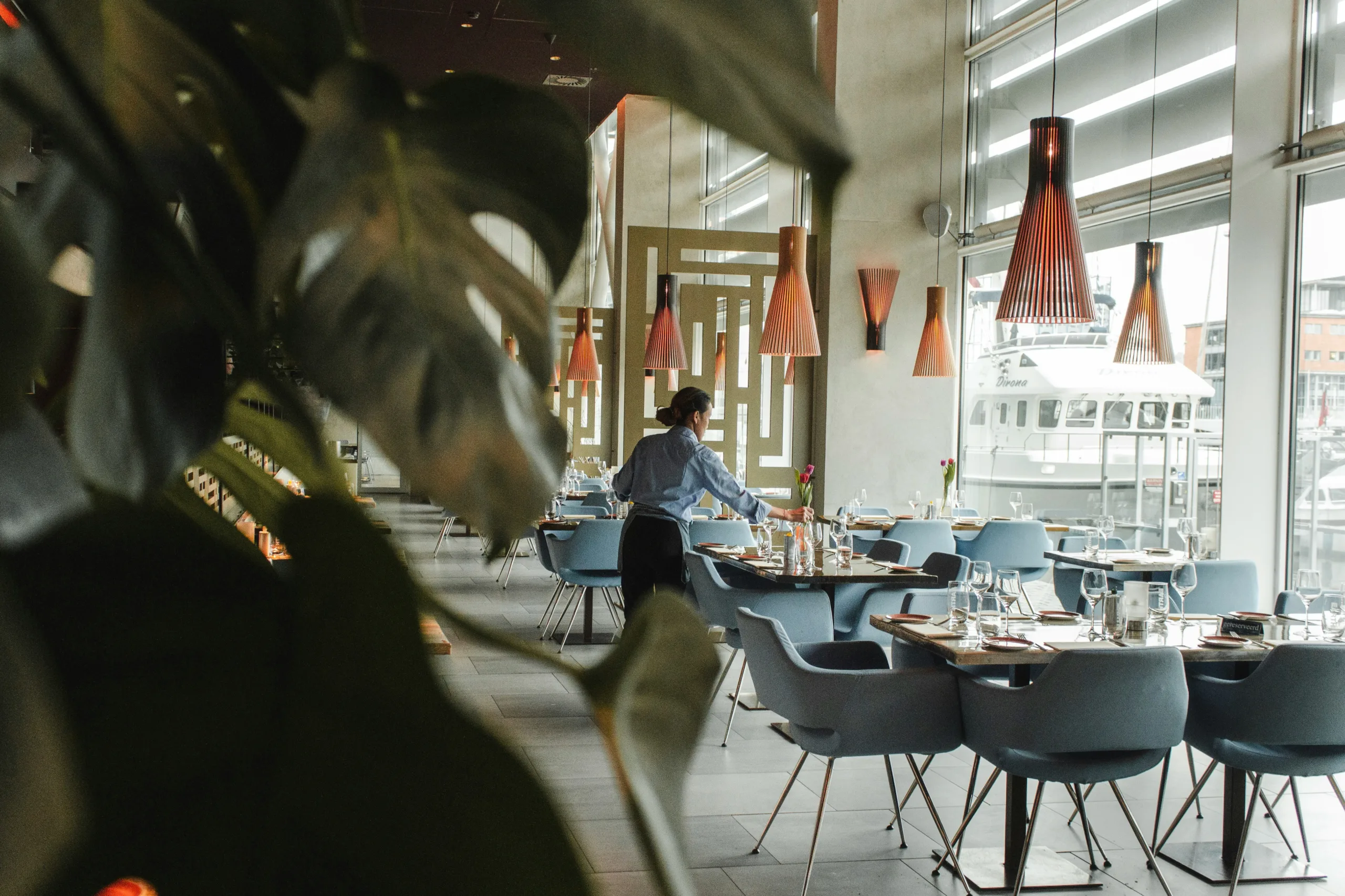
- Lighting: More Than Just Illumination: Lighting can make or break a space. Too bright, and it feels like a cafeteria. Too dark, and it’s hard to see your food or companions. The ideal lighting strategy creates warmth, highlights architectural features, and makes both the food and the diners look good. Think about how strategically placed spot lighting on a dish can make it pop, or how soft general lighting can create intimacy.
- Colors and Materials: Setting the Mood: The palette chosen for the restaurant immediately communicates its identity. Deep, rich tones might suggest opulence and tradition, while lighter, natural hues could evoke freshness and modernity. The tactile experience of materials – plush velvet, cool marble, warm wood – adds another layer of sensory input.
- Table Settings and Crockery: Even the seemingly small details matter. High-quality linens, elegant cutlery, and beautiful tableware demonstrate attention to detail and signal a commitment to luxury. A heavy, well-balanced fork feels different from a flimsy one, and that sensory difference contributes to the overall perception of quality.
Sound and Silence: The Auditory Landscape
Sound is often overlooked but profoundly impactful. It dictates the energy level and the ability for conversation.
- Acoustics and Noise Levels: Is it easy to hold a conversation without shouting, or are you straining to hear your dining companions? Good acoustic design ensures that ambient noise contributes to the atmosphere without being intrusive. This might involve sound-absorbing materials or thoughtful spacing of tables.
- Music Selection: The Unseen Conductor: The right background music can subtly enhance the mood. Is it appropriate for the cuisine and the desired ambiance? Is it played at an appropriate volume? Music can elevate excitement, create romance, or foster relaxation. The wrong music, or music played too loudly, can shatter the illusion.
The Art of Service: More Than Just Bringing Food
Exceptional service is the invisible thread that weaves through the entire dining narrative, elevating it from a meal to an experience. It’s about anticipating needs and creating an effortless flow for the diner.
Attentive, Not Intrusive
The sweet spot in luxury service lies in presence without being overbearing. Guests should feel cared for, but not constantly hovered over.
- Timing and Pacing: Dishes should arrive at the right moment – not rushed, not delayed. The rhythm of the meal is crucial. Is there a natural progression that allows for enjoyment and conversation between courses?
- Anticipation of Needs: Does the server notice a water glass is low before you have to ask? Is a napkin replaced if it falls? These small, proactive gestures demonstrate a high level of training and care.
Knowledge and Professionalism
Luxury dining demands a depth of knowledge from the staff. They are not just order-takers, but guides and educators.
- Menu Expertise and Recommendations: Servers should be able to articulate the nuances of each dish, explain ingredients, and confidently offer wine pairings. This knowledge instills confidence and enhances the guest’s understanding and appreciation of the cuisine.
- Discreet Decorum: From polished manners to professional appearance, every aspect of the staff’s presentation contributes to the overall theatricality of the meal. It’s about maintaining an air of sophistication and seamless execution.
Comfort and Flow: The Physical Experience
Beyond aesthetics, how a space physically feels and functions is paramount. If you’re uncomfortable, the food has to work twice as hard to impress.
Seating and Spacing
Physical comfort is a non-negotiable in luxury dining. No one wants to spend hours in an uncomfortable chair.
- Ergonomics and Comfort of Chairs: Are the chairs designed for extended sitting? Do they provide adequate support? The type of seating sets an immediate expectation for the pace of the meal.
- Table Spacing and Privacy: Luxury often implies personal space. Tables should be far enough apart to allow for private conversations without feeling like you’re eavesdropping or being overheard. A sense of intimacy enhances the experience.
Layout and Navigation
A well-designed restaurant flows naturally, guiding guests without confusion and ensuring efficiency for staff.
- Ease of Movement: Can guests and staff move through the dining room without constantly bumping into things or each other? A cluttered or difficult-to-navigate space can feel chaotic and detract from the tranquility.
- Restroom Facilities: Often overlooked, but immaculate and well-appointed restrooms are a hallmark of true luxury. They are an extension of the restaurant’s commitment to detail and guest comfort.


The Narrative and Storytelling
A truly memorable luxury dining experience tells a story. The atmosphere helps to weave this narrative, creating a sense of place and purpose that goes beyond just eating.
Thematic Coherence
Does the restaurant have a clear identity, and do all elements – from the menu to the decor – reinforce it? This thematic consistency helps create an immersive world.
- Cuisine and Concept Alignment: If the restaurant serves modern French cuisine, does the design evoke Parisian chic or a contemporary interpretation? Is there a thoughtful connection between the culinary vision and the visual aesthetic? This synergy strengthens the overall brand and experience.
- Local Sourcing and Storytelling: Many luxury restaurants emphasize the provenance of their ingredients. The atmosphere can visually support this narrative, perhaps through natural materials or artwork depicting local landscapes, reinforcing a farm-to-table or regionally inspired ethos.
Creating Memorable Moments
Ultimately, the atmosphere contributes significantly to the diner’s lasting recollections, crafting an experience that lingers long after the last course.
- Sense of Occasion: Luxury dining is often for special occasions. The atmosphere should amplify this, making guests feel like they are part of something extraordinary. It’s about creating a collective memory.
- Emotional Resonance: A beautifully crafted environment, coupled with exquisite food and impeccable service, can evoke powerful emotions – joy, wonder, contentment, even a sense of privilege. These feelings are what transform a meal into an unforgettable experience.
The Economic Imperative: Why Investment in Atmosphere Pays Off
From a business perspective, the investment in atmosphere isn’t just an indulgence; it’s a strategic necessity in the luxury market. It translates directly into higher perceived value and profitability.
Justifying the Price Point
Luxury dining commands higher prices, and the atmosphere is a significant factor in justifying that premium. Guests are paying for an entire experience, not just sustenance.
- Perceived Value: A well-designed, comfortable, and aesthetically pleasing environment enhances the perceived value of the meal. It elevates the dining experience from a transactional event to a curated journey.
- Exclusive Appeal: A unique and sophisticated atmosphere helps position a restaurant as exclusive and desirable, attracting a clientele willing to pay for that distinction. It builds a reputation beyond just food reviews.
Brand Building and Reputation
The atmosphere is a critical component of a restaurant’s brand identity. It’s what differentiates it in a competitive market.
- Word-of-Mouth and Social Media: A visually stunning and comfortable restaurant is highly shareable – guests are more likely to post about it, tag it, and recommend it. In the age of Instagram and online reviews, the visual and experiential aspects are powerful marketing tools.
- Repeat Business and Loyalty: When guests have an exceptional overall experience, they are more likely to return and become loyal patrons. It’s the cumulative effect of great food and a sublime atmosphere that fosters this loyalty.
In conclusion, while the culinary artistry remains the heart of any fine dining establishment, the atmosphere is its soul. It’s the silent protagonist, shaping perceptions, influencing emotions, and ultimately, defining whether a meal is merely eaten or truly experienced. From the first greeting to the final farewell, every sensory input, every interaction, and every thoughtful detail contributes to a holistic narrative that can amplify or diminish even the most exquisite cuisine. In the competitive world of luxury dining, ignoring the importance of atmosphere isn’t just a misstep; it’s a fundamental misunderstanding of what luxury patrons are truly seeking. They’re seeking an escape, an indulgence, a memory – and that’s something only a perfectly crafted atmosphere can deliver.