Elevating Luxury Beauty: The Power of Packaging
May 31, 2026
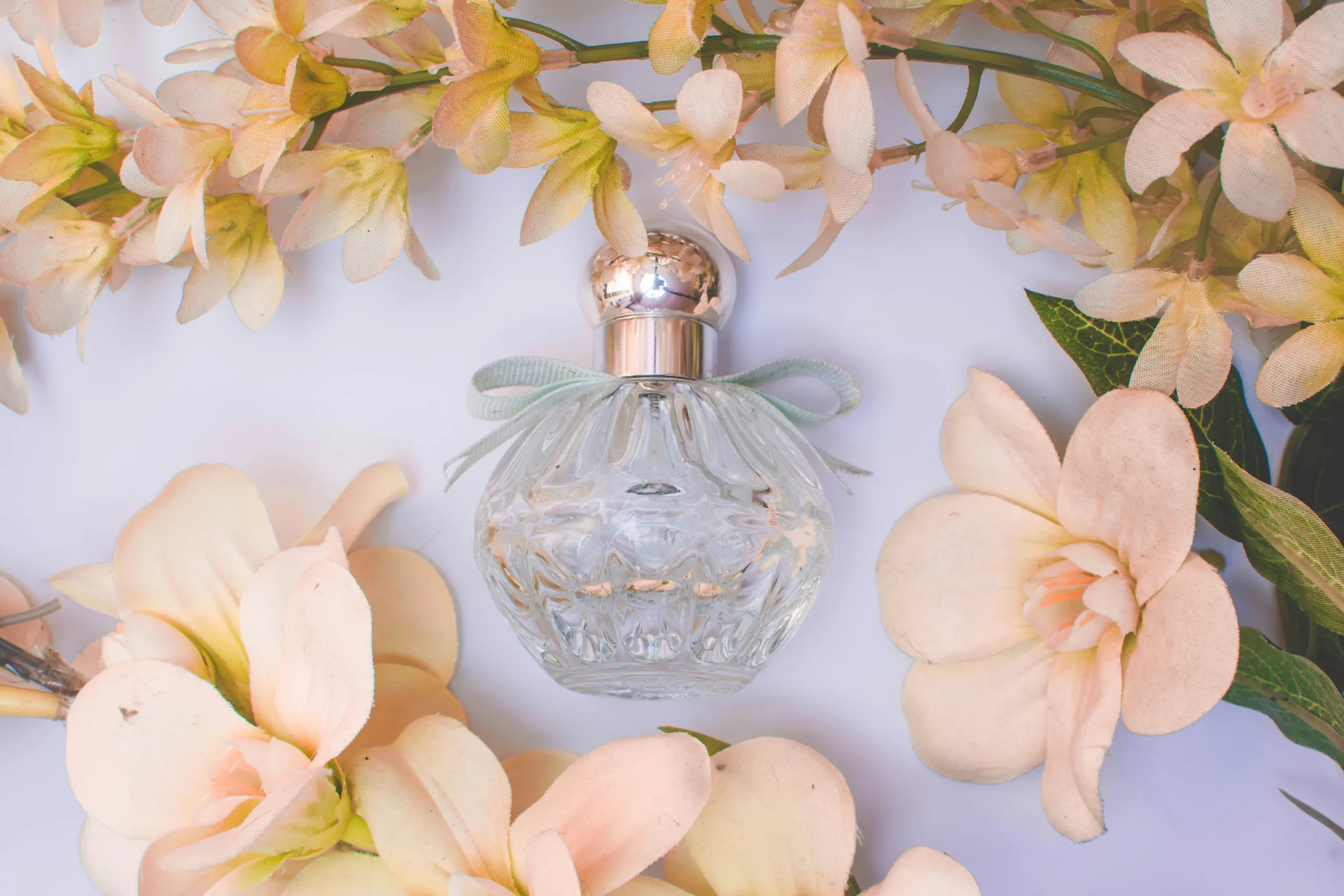
Let’s be honest, when you’re eyeing that designer lipstick or that high-end serum, a big part of the appeal isn’t just the formula inside. It’s the whole package. Luxury beauty packaging is more than just a pretty box; it’s a crucial element that communicates value, exclusivity, and the promise of an exceptional experience. Think of it as the silent salesperson, the first handshake, and the lasting impression. It’s the tangible embodiment of the brand’s prestige and the anticipation you feel before even applying the product. So, how does this seemingly superficial aspect wield such significant power in the world of luxury beauty?
The Visual Language of Prestige
Luxury beauty packaging doesn’t rely on loud slogans or aggressive sales tactics. Instead, it speaks a sophisticated visual language, communicating exclusivity and quality through design choices that are both deliberate and understated. This isn’t about flashy colors or over-the-top embellishments; it’s about carefully curated aesthetics that whisper “high-end” rather than shout it.
Materiality: A Tactile Impression
The very feel of the packaging provides a direct sensory cue about the product’s value. Luxury brands understand that touch is as powerful as sight when it comes to conveying quality.
Weight and Substance
Heavier materials like glass, milled aluminum, or thick-walled plastics immediately feel more substantial and expensive than flimsy cardboard or thin plastic. There’s a satisfying heft to a well-made packaging that suggests durability and a premium product within. This isn’t just about perceived value; it often reflects the actual cost of higher-quality materials.
Finishes and Textures
The surface treatments of luxury packaging are meticulously chosen. Think matte finishes that absorb light, creating a sense of sophistication, or subtle glosses that hint at richness. Embossing, debossing, and debossed logos add tactile interest and a refined aesthetic. A soft-touch coating can evoke a feeling of silkiness, while brushed metal lends an industrial yet chic vibe. These details, though small, contribute significantly to the overall luxurious feel.
Unique Materials
Beyond the standard, some brands push the boundaries with innovative materials. This could include recycled materials presented in a way that still feels premium, or even materials like FSC-certified wood for outer cartons, or ceramic elements for caps. These choices not only enhance the aesthetic but can also align with brand values of sustainability and craftsmanship.
Color Palette and Branding
The colors and graphics used on luxury packaging are carefully selected to evoke specific emotions and associations. This isn’t about following fleeting trends; it’s about establishing a consistent brand identity that resonates with the target audience.
Classic and Timeless Hues
Black, white, gold, silver, and deep jewel tones are perennial favorites in luxury beauty. These colors are often associated with elegance, purity, wealth, and timelessness. Their versatility allows them to be used in a multitude of sophisticated combinations, creating an immediate sense of prestige.
Subtle Logo Placement and Typography
The brand logo, while important, is rarely the dominant visual element. Instead, it’s often subtly embossed, debossed, or printed with refined inks. Typography plays a crucial role too, with elegant serif fonts or clean, minimalist sans-serif fonts conveying a sense of heritage and modern sophistication, respectively. The size and placement of the logo are carefully considered to enhance, not overpower, the overall design.
Minimalist Design Principles
Many luxury brands opt for a minimalist aesthetic. This approach focuses on clean lines, ample negative space, and a reduction to essential elements. This visual restraint can paradoxically convey a greater sense of luxury by avoiding clutter and allowing the quality of the materials and the subtle details to shine. It suggests confidence in the product itself, without the need for elaborate decoration.
The Unboxing Ritual: Creating an Emotional Connection
The act of opening a luxury beauty product is often as pleasurable as using the product itself. Packaging designers understand that this “unboxing” moment is not merely functional; it’s an experience to be savored, building anticipation and an emotional connection with the brand.
The Reveal: A Gradual Unfolding
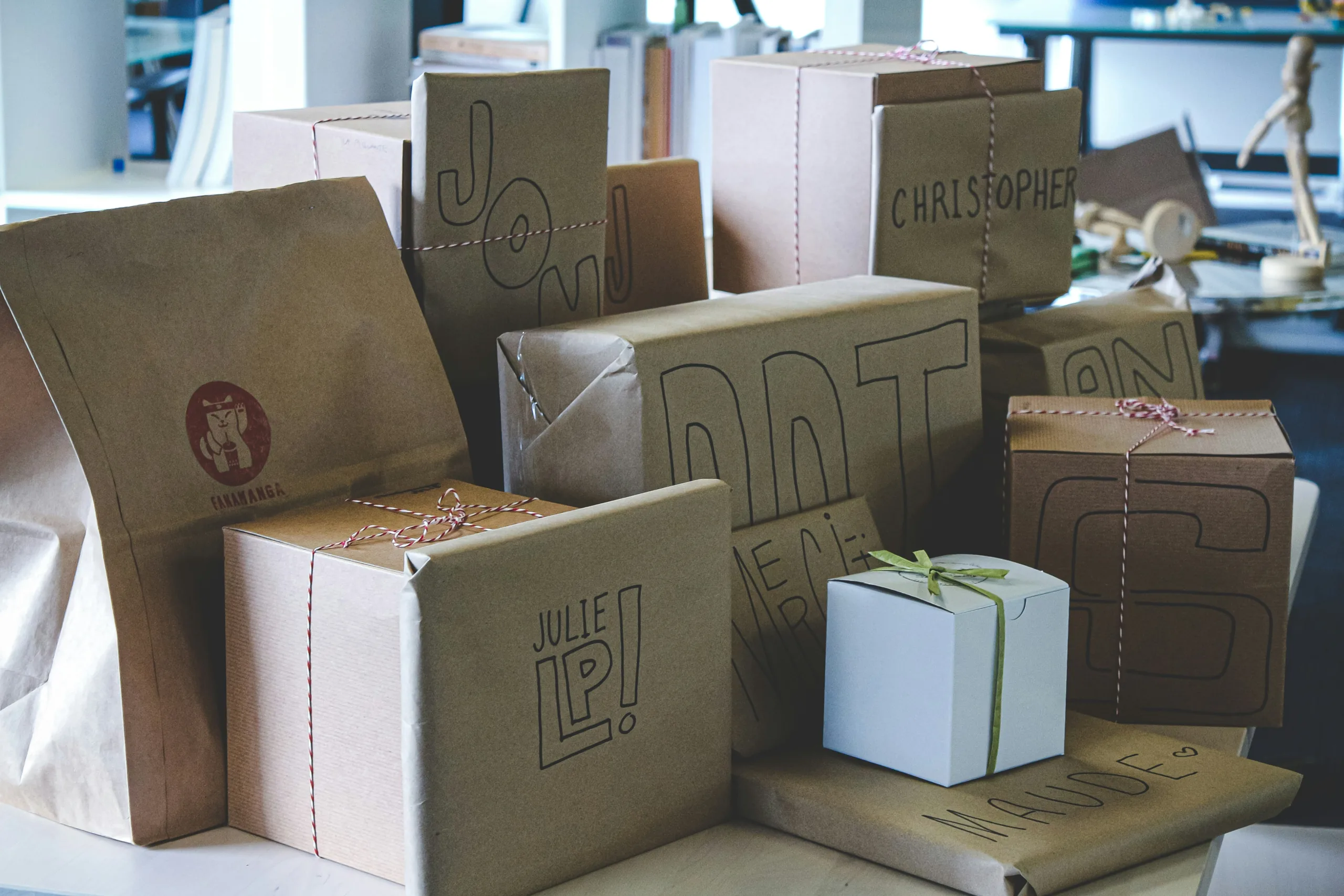
Luxury packaging is often designed to reveal the product in stages, like a carefully orchestrated play. This can involve layered boxes, tissue paper, protective sleeves, and compartments. Each step builds anticipation and prolongs the discovery.
Inner Silks and Protective Layers
Tissue paper, often branded with the company logo, provides a soft, protective layer. The crinkle and rustle of this paper as it’s unfolded can be oddly satisfying. Some brands even use silk or satin-like linings for an extra touch of opulence. This attention to internal protection not only keeps the product safe but also reinforces the idea that every detail is considered.
Custom Inserts and Fitments
Products are often secured within custom-molded inserts that hug them perfectly. This ensures that the product doesn’t move around during transit and presents it in a neat, displayed manner. These inserts are often made from high-quality cardboard or foam, further enhancing the tactile experience and perceived value.
The Moment of Truth
The final reveal of the product itself is the culmination of this ritual. The way the primary packaging is presented – its weight, its material, the way it opens – is designed to elicit a gasp of delight or a sigh of satisfaction. This careful staging turns a mundane act into a memorable moment.
The Sensory Journey
Beyond sight, luxury packaging engages other senses, creating a more immersive and memorable experience. This multi-sensory approach elevates the product from a mere commodity to something akin to a work of art.
Aromatic Infusions
Some brands subtly scent their packaging materials, releasing a light fragrance as the product is opened. This could be a signature scent of the brand or a scent that complements the product inside, like a delicate floral note for a rose-infused cream. This olfactory cue adds another layer of luxury and reinforces the brand’s sensory identity.
Auditory Cues
The subtle click of a magnetic closure, the soft thud of a well-fitted lid, or even the gentle rustle of specialized paper can contribute to the auditory experience. These sounds, often designed to be pleasing and refined, add to the overall feeling of quality and craftsmanship.
Functionality Meets Finesse: Practicality in Luxury
While aesthetics are paramount, luxury beauty packaging cannot sacrifice functionality. Practicality is inherent in good design, and luxury brands excel at blending form with function, ensuring their packaging is not only beautiful but also user-friendly and protective.
The Primacy of Product Protection
The most fundamental role of any packaging is to protect the product. For luxury beauty, this means safeguarding delicate formulations from light, air, and damage during transit and storage.
Airless Pumps and Light-Resistant Materials
High-end serums often come in airless pump bottles, which prevent oxidation and contamination, preserving the efficacy of the active ingredients. Dark glass or opaque materials are used for light-sensitive formulas to maintain their integrity. These functional elements are often seamlessly integrated into the overall design, appearing as deliberate design choices.
Secure Closures and Seals
The caps and closures on luxury products are designed to seal tightly, preventing leakage and preserving the product’s freshness. Magnetic closures, screw-top lids with satisfying resistance, or innovative dispensing mechanisms all contribute to a seamless and secure user experience.
Ease of Use and Refillability
Modern luxury is increasingly prioritizing convenience and sustainability. This translates into packaging that is easy to use and, where possible, refillable.
Ergonomic Design
The shape and weight of a product are carefully considered for comfortable handling. A serum bottle that fits perfectly in the palm or a compact powder case that opens with a satisfying click all contribute to a delightful user experience. Trigger sprayers that offer a fine, even mist or brushes with ergonomic handles exemplify this attention to detail.
Sustainability and Refillable Options
The move towards sustainability has seen luxury brands embrace refillable packaging. This not only appeals to the environmentally conscious consumer but also offers a more economical option for repeated purchases. The design of refillable packaging is often as chic as the original, ensuring that the commitment to luxury is maintained. This can involve sleek outer casings that house replaceable inserts, maintaining the premium aesthetic with each refill.
The Shelf-Worthiness Factor: Packaging as a Display Piece
Luxury beauty packaging isn’t just about the moment of purchase or unboxing; it’s also about how the product looks and feels once it’s part of your personal collection. The packaging itself becomes an object of desire that you want to display.
The Vanity Statement
High-end beauty products are often placed on vanities, dressers, or bathroom shelves, becoming decorative elements in themselves. The sophisticated design and premium materials of the packaging contribute to the overall aesthetic of a space.
Cohesive Brand Collections
Brands often create packaging families, where lipsticks, foundations, and eyeliners share similar design codes. This allows consumers to build a cohesive collection that looks beautiful when displayed together, reinforcing brand loyalty and the desire for a complete set. Think of the unified aesthetic of Chanel, Dior, or YSL collections.
Limited Editions and Collectibles
Limited edition packaging is a powerful tool for creating buzz and a sense of urgency. These special releases often feature unique artistic collaborations, exclusive colorways, or elaborate embellishments, turning products into collector’s items that are as much about the packaging as the product. These can become statement pieces, highly coveted for their rarity and artistic merit.
The Impetus for Purchase
In a crowded retail environment, packaging is often the primary differentiator. A well-designed product can catch the eye, pique curiosity, and ultimately drive a purchase decision.
Visual Hierarchy and Standout Appeal
On a shelf filled with numerous products, packaging that is well-designed, uses thoughtful color palettes, and has a distinct silhouette will naturally draw attention. This visual hierarchy ensures that the luxury product stands out from the competition, even without overt marketing.
The “Giftable” Quality
Luxury beauty packaging often looks and feels inherently giftable. The elegant presentation implies thoughtfulness and a willingness to splurge, making it an ideal choice for presents. This perception is intentionally cultivated by brands to encourage gifting occasions.
Beyond the Bottle: The Enduring Impact of Packaging Design
The power of luxury beauty packaging extends far beyond the initial purchase. It shapes brand perception, fosters loyalty, and contributes to the overall desirability of the product long after it’s been opened.
Brand Identity and Narrative
Packaging is a fundamental element in communicating a brand’s story and values. It’s a silent ambassador that continually reinforces what the brand stands for.
Heritage and Craftsmanship
Brands with a long history often use packaging to evoke a sense of heritage and timeless quality. This could involve traditional motifs, classic fonts, or the emphasis on artisanal production methods implied by the packaging materials. The weight and feel of a Guerlain or Hermès product, for instance, speaks volumes about their legacy.
Modernity and Innovation
Conversely, brands focused on innovation and cutting-edge science might employ sleek, minimalist, and technologically advanced packaging designs. This could involve unusual geometric shapes, translucent materials, or cutting-edge dispensing systems, all communicating a forward-thinking brand ethos.
Customer Loyalty and Emotional Investment
When consumers invest in luxury beauty, they are often investing in a feeling or an aspiration. The packaging plays a significant role in solidifying this emotional connection and driving repeat purchases.
The Familiarity of Excellence
A returning customer knows what to expect from a brand’s packaging. That familiar weight, the satisfying click of the lid, or the elegant design becomes a comforting symbol of quality and a positive experience. This familiarity breeds trust and reduces the perceived risk of trying new products from the same brand.
The Joy of Replenishment
Even when a product is finished, the desire to repurchase is often fueled by the anticipation of the same delightful unboxing ritual and the return of that aesthetically pleasing object to their collection. The packaging itself becomes a reason to come back.
The Future of Luxury Packaging
As the beauty industry evolves, so too will the considerations for luxury packaging. Sustainability, personalization, and enhanced digital integration are likely to become even more critical.
Sustainable Luxury
The demand for eco-conscious products is growing across all markets, and luxury is no exception. Brands will need to find innovative ways to incorporate sustainable materials and practices without compromising the premium feel. This means looking beyond just recycled content to encompass biodegradable options, responsible sourcing, and minimalist designs that reduce waste.
Personalized Touches
The future may see a rise in personalized luxury packaging, with consumers able to customize elements of their packaging, from monograms to specific color accents. This adds an extra layer of exclusivity and makes the product feel truly their own.
Integrated Digital Experiences
Smart packaging technologies could allow consumers to scan their product packaging to access exclusive content, product information, or even virtual try-on experiences, blurring the lines between the physical and digital realms. This could offer deeper engagement and a richer brand narrative.
In conclusion, luxury beauty packaging is far more than just a container. It’s a carefully crafted experience, a powerful communication tool, and an integral part of the product’s appeal. From the tactile sensation of the materials to the ritual of the unboxing, every detail is designed to convey value, exclusivity, and a promise of something extraordinary. It’s a testament to the fact that in the world of luxury, what’s on the outside is just as important as what’s on the inside.