Why AI Content Still Needs Taste, Context and Positioning
May 31, 2026

Even though AI can churn out content at lightning speed, it often lacks the human touch that truly makes something compelling and effective. Here’s why what AI produces still needs your taste, understanding of context, and strategic positioning to shine.
AI is brilliant at handling the what. It can analyze vast datasets, identify patterns, and assemble information into coherent text. Need a product description? AI can pull features and benefits. Need a summary of a topic? AI can distill key points. It’s incredibly useful for generating raw material, getting the basic facts down, and overcoming writer’s block. Think of it as giving you a really well-organized pile of bricks.
But here’s the catch: AI doesn’t inherently understand the why behind the content. It doesn’t know who you’re trying to reach, what emotional response you want to elicit, or what ultimately drives your audience to take action. That’s where human intelligence, experience, and, most importantly, taste, come into play.
AI’s Strengths: Efficiency and Scope
- Speed of Generation: AI can produce content in seconds or minutes, a task that could take a human hours or days. This is invaluable for scaling content creation.
- Data Analysis: AI can process and synthesize information from an immense range of sources, identifying trends and insights that might be missed by human researchers.
- Repetitive Tasks: For regularly recurring content needs like basic product descriptions or news aggregation, AI is a game-changer, freeing up human resources for more strategic work.
The Missing Element: Intent and Emotion
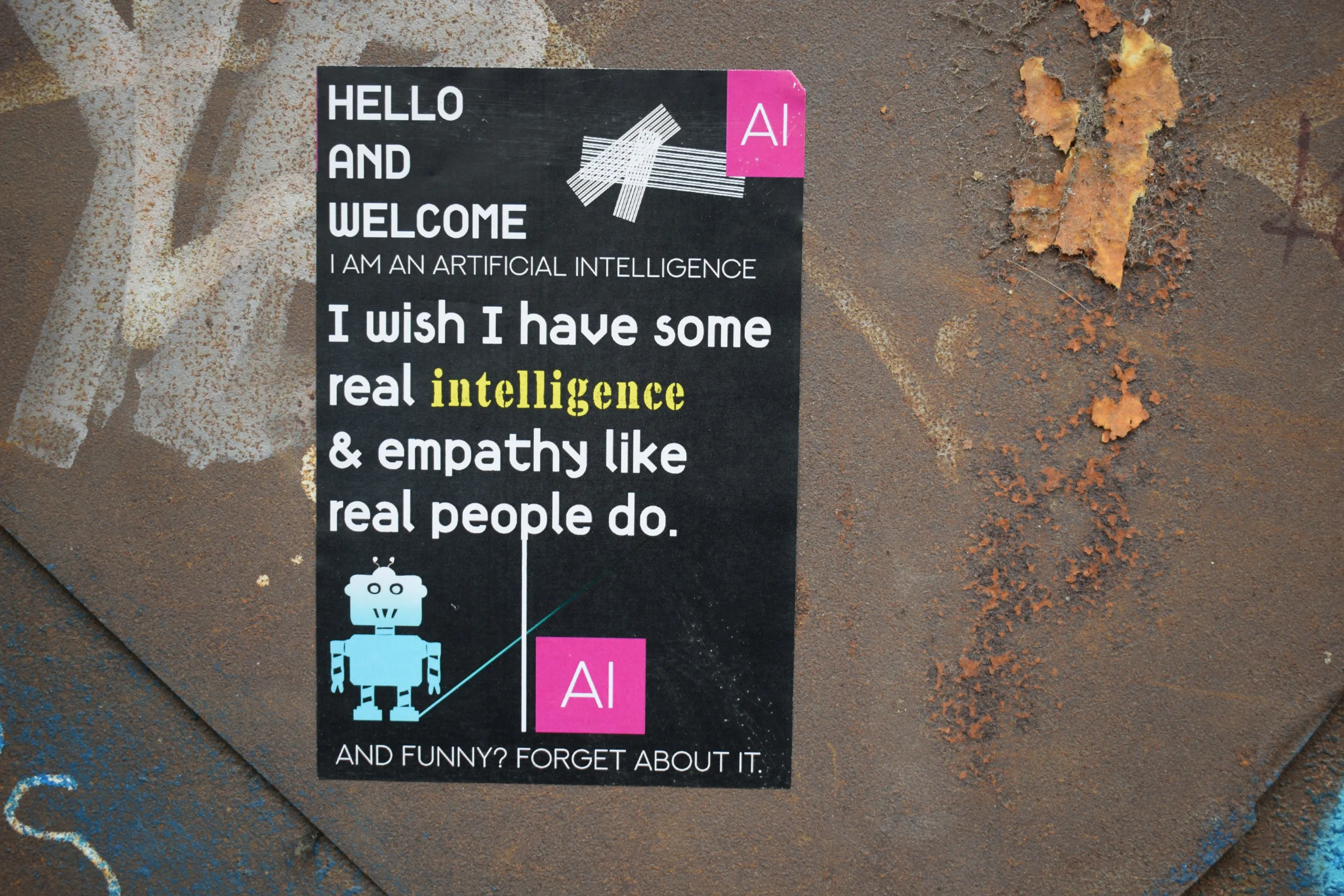
- Lack of Subjectivity: AI is objective. It can’t feel empathy, share personal anecdotes, or understand the subtle nuances of humor or sarcasm that make content relatable.
- No Inherent Goal: AI doesn’t have a business objective or a desired customer outcome in mind. It just follows instructions. You have to tell it what the goal is, and even then, its interpretation can be literal.
- Generic Output: Without specific guidance, AI-generated content tends to be generic, covering all the bases but failing to make a unique impression.
Taste: The Unquantifiable Ingredient
Taste isn’t just about liking or disliking something; it’s a sophisticated discernment that comes from experience, cultural understanding, and an intuitive grasp of what resonates. AI can mimic styles, but it can’t feel the rhythm of a perfectly crafted sentence or the impact of a well-placed metaphor.
Defining Taste in Content
- Voice and Tone: This is more than just using certain words. It’s about the personality that shines through, the underlying attitude, and the specific way a message is delivered. Think of the difference between a friendly barista and a stern librarian – both provide information, but their delivery shapes the entire experience.
- Nuance and Subtlety: Human writers can employ subtext, irony, and understated humor that AI struggles to replicate authentically. These layers add depth and invite the reader to engage on a more thoughtful level.
- Cultural Relevance: Understanding slang, current events, and evolving social norms is crucial for content to feel current and relatable. AI can be trained on data, but interpreting and applying cultural shifts in real-time is a human skill.
How AI Falls Short on Taste
- Mimicry, Not Originality: AI can be trained to sound “like” a particular author or brand, but it’s essentially a sophisticated imitation. It doesn’t have the lived experience that informs genuine originality.
- Literal Interpretation: If you ask an AI to be “witty,” it might throw in a few jokes. But it won’t understand why a particular joke works or how to weave humor into the narrative seamlessly.
- Predictable Patterns: Because AI relies on existing data, its creative output can, at times, feel formulaic or predictable, even if it’s grammatically sound.
Context is King: Setting the Scene for AI Content
AI doesn’t live in the real world. It doesn’t understand the immediate circumstances surrounding the creation and consumption of content. This is where context becomes indispensable. What works in one situation might be completely inappropriate or ineffective in another.
Understanding Your Audience Deeply
- Demographics and Psychographics: AI can be fed demographic data, but it doesn’t truly grasp the hopes, fears, motivations, and aspirations of your audience. Humans can infer these through empathy and experience.
- Their Journey: Where is your audience in their customer journey? Are they just becoming aware of a problem, actively researching solutions, or ready to make a purchase? Content needs to be tailored to these different stages.
- Their Existing Knowledge: Is your audience a group of experts, novices, or somewhere in between? The language and level of detail need to be adjusted accordingly.
The Environmental Factors
- Platform Specifics: Content for a LinkedIn post will look very different from content for a TikTok video or an email newsletter. AI can be prompted to format, but it doesn’t grasp the implicit cultural expectations of each platform.
- Timeliness and Trends: Is the content about breaking news, a seasonal event, or a long-term evergreen topic? AI can sometimes latch onto trending topics but lacks the human judgment to discern true relevance or potential for offense if mishandled.
- Brand Environment: How does this piece of content fit within a larger campaign or the overall brand narrative? AI needs to be directed to align with these broader strategic goals.
How AI Misses Contextual Cues
- Lack of Situational Awareness: An AI might generate a perfectly fine piece of advice, but if it’s published during a major crisis, it could appear tone-deaf or insensitive if you haven’t guided it on how to adapt.
- Ignoring Implicit Cues: A human editor will know that a certain phrase, while technically correct, might carry unintended negative connotations for a specific audience or in a particular cultural moment. AI often misses these subtleties.
- Struggling with Purpose: While AI can produce text, it doesn’t “know” why it’s producing it. You have to tell it the purpose, and even then, it might require human oversight to ensure the output truly serves that purpose within its context.

Positioning: Where Your Content Fits in the World
Once you have the content and understand its context, the next crucial step is positioning. This is about strategically placing your content so it’s seen by the right people, at the right time, and in a way that achieves your desired outcome. AI can generate the words, but it can’t orchestrate the symphony.
Strategic Placement and Distribution
- SEO Optimization: While AI can suggest keywords, a human understands the searcher’s intent behind those keywords and can craft content that genuinely answers those questions.
- Channels of Distribution: Where will this content live? Blog, social media, email, landing page? Each channel requires a different approach to positioning.
- Content Pillars and Hubs: How does this piece of content connect to other content you’re producing? Strategic positioning involves building a cohesive content ecosystem.
Crafting the Narrative Around the Content
- Introduction and Conclusion: These are prime areas for human input. The hook needs to grab attention, and the call to action needs to be compelling and clear.
- Headlines and Subheads: These are powerful tools for guiding the reader and SEO. AI can generate options, but a human understands what will truly entice a click or encourage further reading.
- Visual Integration: How will images, videos, or infographics complement and enhance the text? This requires a holistic marketing perspective.
How AI Needs Your Positioning Input
- No Strategic Foresight: AI doesn’t have long-term marketing goals. It can’t strategize about how to leverage a piece of content for lead generation or brand building.
- Limited Understanding of Competitive Landscape: AI can’t analyze your competitors’ content strategies and identify gaps or opportunities for your own positioning.
- Call to Action Effectiveness: While AI can phrase a call to action, it doesn’t have the sales acumen to determine the most persuasive language or offer for your specific audience.

The Human Touch: Refinement and Authenticity
Ultimately, the difference between functional, forgettable content and genuinely impactful, memorable content lies in the human touch. This is where AI acts as a powerful assistant, but not a replacement.
Editing and Polishing
- Flow and Readability: AI can create grammatically correct sentences, but it often requires human editing to ensure smooth transitions, engaging pacing, and a natural, conversational tone.
- Fact-Checking and Accuracy: While AI claims high accuracy, it can still generate misinformation or outdated information. Human oversight is crucial for verification.
- Emotional Resonance: This is where humans excel. We can inject empathy, humor, passion, and authenticity into content in ways that AI currently cannot.
The Art of Persuasion
- Storytelling: Humans are natural storytellers. We understand how to build narratives that captivate, connect, and persuade. AI can construct plot points, but the soul of the story comes from human experience.
- Building Trust: Authenticity is key to building trust. When a reader feels a genuine human voice behind the words, they are more likely to engage and believe. AI-generated content can sometimes feel sterile or artificial, undermining trust.
- Targeted Persuasion: Understanding a person’s pain points and providing solutions requires human insight and empathy. AI can list features; humans can articulate benefits that truly matter.
Why Your Insights Matter
- Brand Identity: Your brand is built on a unique set of values and a distinct personality. Your understanding of this is crucial for shaping AI output to accurately reflect your brand.
- Industry Expertise: Your deep knowledge of your field allows you to identify timely angles, crucial nuances, and the specific language that resonates with your industry peers or customers.
- Intuition: Sometimes, it’s just a gut feeling. You know when something sounds “off,” when a sentence doesn’t quite land, or when a particular approach will resonate better, even if you can’t fully articulate why.
The Future of AI-Assisted Content Creation
The goal isn’t to pit humans against AI, but to understand how they can work together. AI is an incredibly powerful tool for streamlining processes, generating ideas, and handling the heavy lifting of content creation. However, the human element – taste, contextual understanding, and strategic positioning – remains indispensable for creating content that truly connects, persuades, and achieves its intended purpose.
Collaborative Workflows
- AI for First Drafts, Humans for Refinement: This is perhaps the most common and effective model. AI provides the raw material, and human editors and strategists shape it into polished, strategic content.
- AI for Research, Humans for Insight: AI can quickly gather information and identify trends, but humans must interpret that data, draw meaningful conclusions, and translate it into narrative.
- AI for Iteration, Humans for Direction: AI can generate multiple variations of copy, headlines, or ideas, but a human must provide the direction and make the final selection based on strategic goals.
Developing Your AI Prompting Skills
- Specificity is Key: The more precisely you can describe your audience, tone, context, and desired outcome, the better the AI’s output will be.
- Iterative Refinement: Treat AI as a collaborator. Don’t expect perfection on the first try. Provide feedback, adjust prompts, and guide the AI towards your desired result.
- Understanding AI Limitations: Be aware of what AI can and cannot do. Don’t ask it to perform tasks that require genuine emotional intelligence or deeply human insights.
The Enduring Value of Human Creativity
Ultimately, the most successful content will be those pieces where AI has amplified human creativity, rather than replaced it. It’s about leveraging technology to make our own human abilities – our taste, our understanding of people, and our strategic vision – even more potent and far-reaching. The human element isn’t going anywhere; it’s just evolving its role.